


The furniture industry’s pivot toward sustainability isn’t some marketing trend anymore. It’s become the baseline expectation. Walk through any major trade show floor today and you’ll notice the shift immediately: recycled materials, modular designs built to last decades, manufacturing processes that actually account for their environmental footprint. CIFF exhibitions have tracked this evolution closely, with each event revealing how far manufacturers have pushed their sustainable practices since the last gathering.
How Furniture Manufacturing Changed Its Environmental Approach
Something fundamental shifted in how furniture gets made. The old model of extracting raw materials, building products, and hoping they don’t end up in landfills too quickly has given way to more thoughtful approaches across the entire production chain. Material choices now factor in end-of-life scenarios from the earliest design stages. Production facilities have overhauled their energy consumption patterns. Even packaging decisions reflect this broader environmental awareness.
CIFF exhibitions capture this transformation in real time. Manufacturers who once competed primarily on price points now differentiate themselves through their sustainability credentials. The exhibitors presenting at recent fairs demonstrate genuine integration of environmental responsibility into their core operations, not just surface-level greenwashing. This represents a structural change in how the industry thinks about its relationship with natural resources.
Material Innovation Driving Sustainable Furniture Forward
The materials question sits at the heart of sustainable furniture development. What manufacturers choose to build with determines most of a product’s environmental impact before production even begins.
Recent CIFF exhibitions have showcased some genuinely surprising material innovations. Recycled plastics transformed into furniture that looks nothing like the waste it came from. Bamboo applications that go far beyond the stereotypical aesthetic. Mycelium composites, essentially furniture grown from mushroom roots, that challenge assumptions about what sustainable materials can achieve.
These aren’t compromise materials. The best examples combine environmental benefits with performance characteristics that match or exceed traditional options.
Recycled and Upcycled Components Gaining Ground
Waste streams that once headed straight to landfills now feed furniture production lines. CIFF exhibitors have demonstrated increasingly sophisticated approaches to incorporating recycled content into their products.
The transformation of discarded plastics into durable furniture components has matured significantly. Ocean plastics, industrial waste streams, post-consumer recycling: all of these now appear in finished products that compete on quality, not just environmental credentials.
Upcycling takes this further by adding value during the transformation process. Materials that might otherwise be worthless gain new life as distinctive furniture elements. The character marks and variations that result often become selling points rather than defects.
Bio-Based Materials Expanding Their Role
Plant-derived materials offer another pathway away from resource-intensive traditional options. Bamboo remains the most visible example, but the category has expanded considerably.
Cork, hemp, jute, and other rapidly renewable fibers now appear throughout furniture construction. These materials grow quickly, harvest sustainably, and often biodegrade naturally at end of life. Some manufacturers have developed bio-based composites that replace petroleum-derived plastics entirely.
The texture and aesthetic qualities of natural fiber furniture often appeal to consumers independently of their environmental benefits. This alignment between sustainability and desirability helps drive adoption.
Circular Design Principles Reshaping Product Development
Designing furniture with its entire lifecycle in mind changes how products get conceived from the start. The circular economy framework asks manufacturers to consider what happens when a product reaches the end of its useful life, then work backward to influence initial design decisions.
CIFF exhibitions have featured growing numbers of modular systems that allow component replacement rather than whole-product disposal. A sofa designed this way might last decades, with individual cushions or frame sections replaced as needed rather than the entire piece heading to the curb.
Repairability considerations now influence structural decisions. Products designed for easy disassembly can be serviced, refurbished, or recycled more effectively than those built with permanent fasteners and hidden construction.
Sustainable Furniture Innovations Featured at CIFF
Recent CIFF exhibitions have highlighted diverse approaches to sustainable furniture development. Products made from reclaimed ocean plastic demonstrate how waste streams can become raw material sources. Mushroom mycelium composites have appeared in seating applications that showcase the material’s surprising structural capabilities.
Modular sofa systems designed for decades of use through component replacement illustrate circular design principles in practice. Manufacturing innovations like water-saving textile dyeing processes show that sustainability extends beyond finished products to production methods themselves.
Green Manufacturing Practices Across Production Facilities
Sustainable furniture requires sustainable manufacturing. The production phase accounts for significant environmental impact through energy consumption, water use, and waste generation.
Leading manufacturers have shifted toward renewable energy sources for their facilities. Solar installations, wind power contracts, and other clean energy approaches have reduced the carbon intensity of furniture production substantially.
Waste reduction programs have achieved remarkable results in some facilities. Lean manufacturing techniques minimize material waste during production. Sophisticated recycling programs capture and reprocess scraps that would otherwise be discarded. Water recycling systems reduce consumption in finishing processes.
Supply chain considerations extend sustainability requirements upstream to raw material suppliers. Ethical sourcing practices verify that materials meet environmental and social standards before entering production.
| Feature | Traditional Manufacturing | Green Manufacturing |
|---|---|---|
| Energy Source | Fossil Fuels | Renewable Energy |
| Waste Generation | High | Low |
| Water Usage | High | Reduced/Recycled |
| Material Sourcing | Unregulated | Ethical/Sustainable |
| Carbon Footprint | High | Low |
Consumer Preferences Accelerating Industry Change
Market demand has become a powerful driver of sustainable furniture adoption. Consumers increasingly factor environmental considerations into purchasing decisions, creating competitive pressure for manufacturers to improve their practices.
This preference shift appears across demographic groups and price points. Sustainability has moved from a niche concern to a mainstream expectation. Manufacturers who can credibly demonstrate their environmental credentials gain advantages in crowded markets.
CIFF exhibitors have responded by prominently featuring their sustainable collections and communicating their environmental efforts transparently. The market rewards authenticity here: consumers have become skilled at distinguishing genuine commitment from superficial claims.
Growth projections for sustainable furniture segments remain strong. This isn’t a temporary preference that will fade when economic conditions shift. Environmental consciousness has become embedded in how consumers evaluate products.
CIFF’s Platform for Sustainable Furniture Development
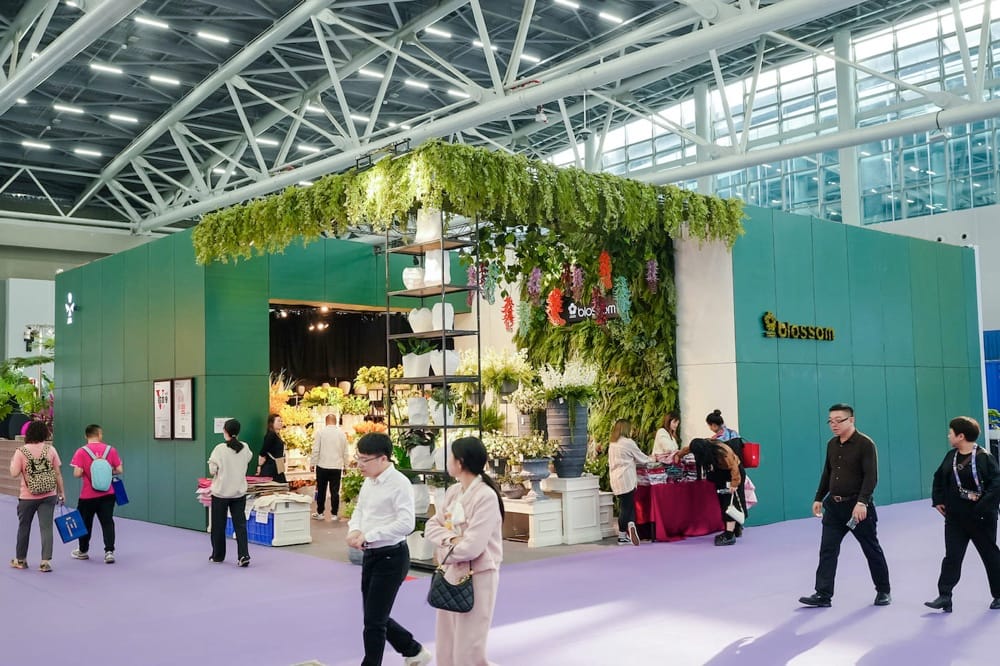
CIFF provides infrastructure for advancing sustainable furniture practices across the global industry. As the world’s largest home furnishing fair covering the entire industry chain, the exhibition creates opportunities for knowledge exchange and collaboration that wouldn’t otherwise exist.
Dedicated exhibition zones highlight manufacturers with strong sustainability credentials. Forums and seminars bring together industry leaders, designers, and technical experts to address challenges in circular design, green manufacturing, and ethical sourcing.
These platforms accelerate the spread of best practices across the sector. Innovations demonstrated by leading manufacturers become visible to the broader industry, encouraging adoption and further development.
Where Sustainable Furniture Development Heads Next
The trajectory toward comprehensive sustainability in furniture continues building momentum. Material innovations, circular design approaches, and green manufacturing practices have all advanced significantly in recent years. The progress visible at CIFF exhibitions demonstrates that this transformation has real substance behind it.
Long-term benefits extend beyond environmental impact to business resilience. Companies investing in sustainable practices position themselves for regulatory environments that will likely become more demanding. They build relationships with consumers whose preferences increasingly favor responsible products.
The furniture industry’s sustainable evolution remains ongoing. Each CIFF exhibition reveals new developments, new approaches, and new possibilities for reducing environmental impact while maintaining the quality and design standards that consumers expect.
What sustainable furniture innovations were showcased at CIFF?
CIFF exhibitions regularly feature products made from recycled and upcycled materials, bio-based composites, and designs built around circular economy principles. Exhibitors highlight advances in modularity, repairability, and responsible sourcing. Recent innovations include ocean plastic furniture, mycelium composites, and modular systems designed for decades of use through component replacement.
How is CIFF promoting eco friendly practices in the furniture industry?
CIFF curates dedicated exhibition zones for sustainable products and hosts forums addressing green manufacturing and design challenges. The fair connects innovators with buyers and facilitates industry-wide knowledge exchange. This platform helps drive adoption of responsible practices across the furniture sector.
What are the long term benefits of investing in sustainable furniture solutions?
Sustainable furniture investment strengthens brand reputation, supports compliance with evolving environmental regulations, and reduces operational costs through efficient resource use. Companies gain access to growing consumer segments that prioritize environmental responsibility. These investments contribute to supply chain resilience and alignment with global sustainability frameworks.
Join the Sustainable Furniture Movement
Discover the latest in sustainable furniture solutions and connect with industry pioneers. For more information on upcoming exhibitions and how to participate, contact us at caoxw@cfte.com.
Explore the next frontier of furniture innovation and sustainability at the upcoming China International Furniture Fair. Connect with industry leaders, discover groundbreaking solutions, and shape the future of global furnishings. Visit CIFF.com for exhibition details and registration.