



As 2026 approaches, understanding the global furniture industry trends for the coming year will help manufacturers and brands optimize their product layout and seize market opportunities ahead of time.
Overall, global furniture trends in 2026 are primarily driven by lifestyle shifts, technological advancements, and environmental awareness.

From the perspective of overall furniture design, more consumers are inclined to purchase furniture products that are more flexible, multi-functional, and personalized. The following are several important global furniture trends expected to continue into 2026:
2026 Global Furniture Trends: Why Start at CIFF?
1. Multi-functional and Flexible Space Design (Multi-functional & Flexible Spaces)
With the rise of working from home, residential spaces need to satisfy the needs of work, social interaction, and leisure. However, due to high housing prices and limited floor space, mechanically adding office furniture to existing homes will undoubtedly reduce the quality of life.
To meet this flexible and varied demand, furniture design in 2026 will lean towards being multi-functional and enabling flexible spaces. Examples include the following types:
- Non-Directional Furniture: Sofas and seating are no longer designed for a single function but instead create spaces for sociability and multi-purpose use.
- Hidden and Convertible Furniture: Certain pieces of furniture will integrate office, storage, and leisure functions, somewhat resembling “Transformer-style” furniture. Examples include desks that can be tucked away, seating with built-in storage, and extendable dining tables.
- Modular Furniture Design: Furniture is composed of multiple modules that can be disassembled and recombined, offering great flexibility. This type of furniture is also easier to move and assemble, whereas conventional furniture is often extremely difficult to transport.
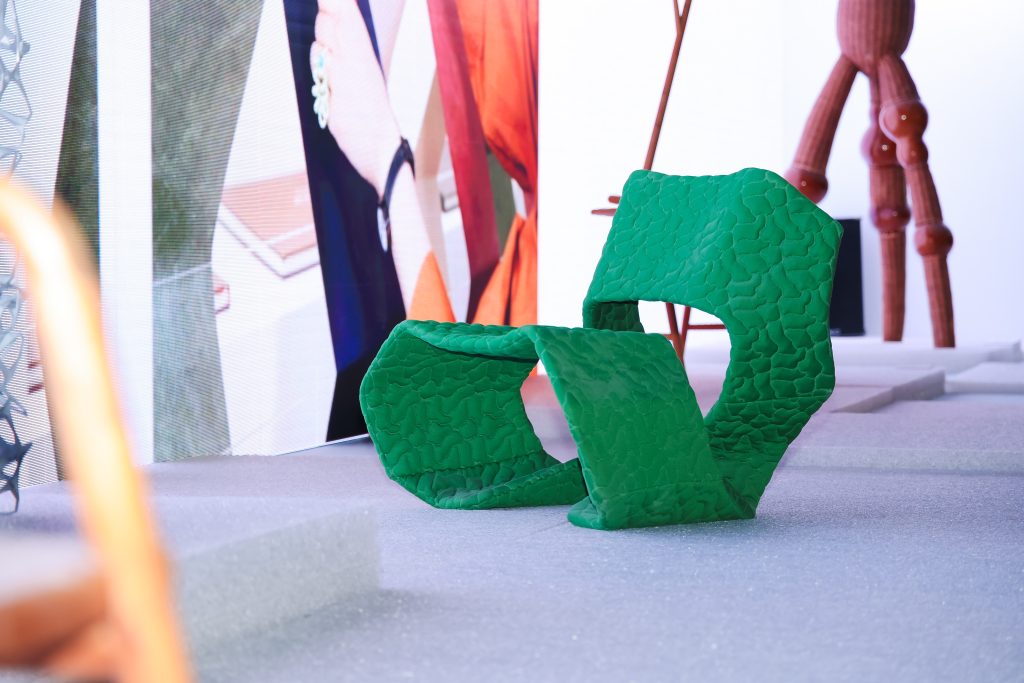
2. The Return of Natural Material Furniture
Furniture with a natural texture is always associated with health and well-being. Residents in cities today increasingly prefer using materials such as natural wood, stone, rattan, and bamboo.
Furthermore, the pursuit of furniture quality remains constant. Consumers will consider purchasing high-quality furniture to reduce the frequency of repairs and replacements.
Additionally, more design elements from outdoor furniture will be introduced indoors to create a sense of nature.
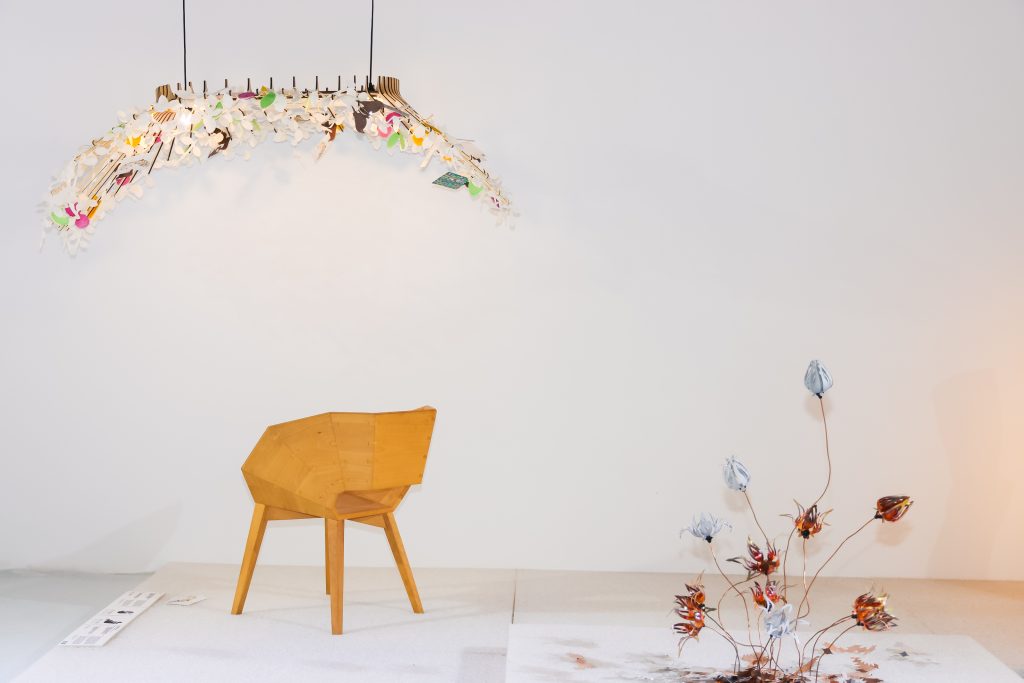
3. Tech Integration & Personalization
Driven by the AI technology surge in 2025, more future furniture will incorporate integrated technology modules. For instance, adding charging modules, environmental sensors, smart lighting, or hidden speakers to make the living space more comfortable.
Moreover, ergonomically designed furniture will become standard, and its price will continuously decrease, making it easily accessible to more citizens.
2026 CIFF Design Trend Show
Want to learn more about the 2026 furniture design trends? Click the link for more: https://www.cifffurniturefair.com/design-show/
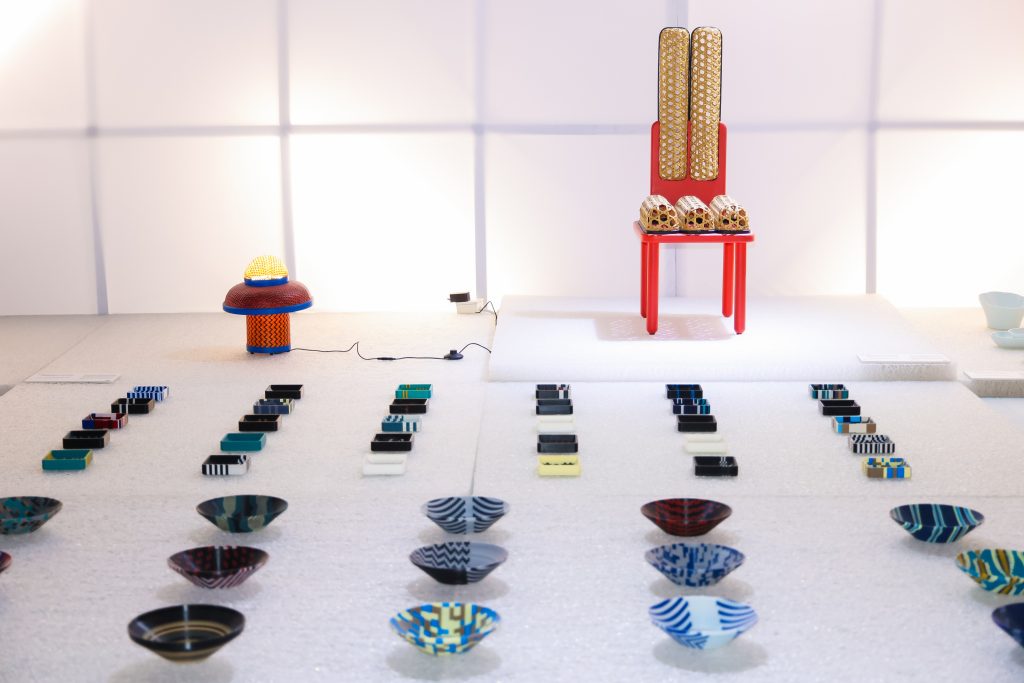
Click the link below to pre-register now and participate in CIFF 2026 immediately, or scan the QR code to join.
https://xt.ciff-gz.com/3807/index.html?ly=57EH00021