


What Furniture Buyers Actually Want in 2026
The furniture market is shifting faster than most manufacturers realize. After watching thousands of exhibitors and buyers interact at CIFF over the years, patterns emerge that tell a clearer story than any survey could. Buyers in 2026 won’t just be shopping for furniture. They’ll be making statements about who they are, how they work, and what they believe in. The gap between brands that understand this and those that don’t will only widen.
Sustainability Stopped Being Optional Years Ago
The furniture market trends for 2026 clearly indicate a significant shift in consumer priorities. Buyers increasingly seek products aligning with their personal values, particularly concerning environmental responsibility and ethical production. This demand for sustainable furniture materials and eco-friendly furniture trends is no longer a niche preference but a mainstream expectation. CIFF’s observations confirm a growing emphasis on ethically sourced, durable furniture, reflecting a broader societal move towards conscious consumption.
Exhibitors at CIFF are responding with innovative solutions. They focus on materials with lower environmental impact and transparent supply chains. The circular economy furniture model, emphasizing repair, reuse, and recycling, gains traction among discerning buyers. This imperative drives product development, from raw material selection to end-of-life considerations.
How Sustainability Shapes What People Actually Buy
Sustainability significantly influences furniture purchasing decisions. Buyers actively seek products with verifiable certifications and transparent production processes. They scrutinize the entire product lifecycle, from material extraction to manufacturing and disposal. This heightened awareness means brands must provide clear information about their environmental footprint. CIFF’s exhibitor data shows that factors like recycled content, low-VOC finishes, and energy-efficient production methods directly impact buyer preferences. Green furniture market growth underscores this shift. Eco conscious consumers furniture choices increasingly shape market direction.
Natural Materials and Biophilic Design Keep Gaining Ground
Complementing the sustainability drive, biophilic furniture design is emerging as a dominant aesthetic for 2026. This trend reflects a deep-seated human desire for connection with nature. Buyers seek furniture that incorporates natural materials in furniture, organic forms, and elements reminiscent of the outdoors. CIFF exhibitors demonstrate this through the increasing use of solid wood, rattan, bamboo, and natural stone. Organic furniture trends emphasize soft lines, earthy color palettes, and textures that evoke a sense of calm and well-being. This design philosophy integrates seamlessly with sustainable practices, offering both aesthetic appeal and environmental responsibility.
| Sustainable Material Category | Projected Adoption Rate (2026) | Key Benefits | Challenges |
|---|---|---|---|
| Recycled Plastics | High | Waste reduction, versatility | Perceived quality, processing costs |
| Certified Wood (FSC) | High | Sustainable forestry, ethical sourcing | Cost, availability |
| Bamboo/Rattan | Moderate to High | Rapidly renewable, lightweight | Durability for heavy use, treatment |
| Bio-based Composites | Growing | Reduced carbon footprint, innovation | Material development, market acceptance |
| Upcycled Textiles | Moderate | Resource efficiency, unique aesthetics | Consistency, scale |
Technology Built Into Furniture Is Now Expected
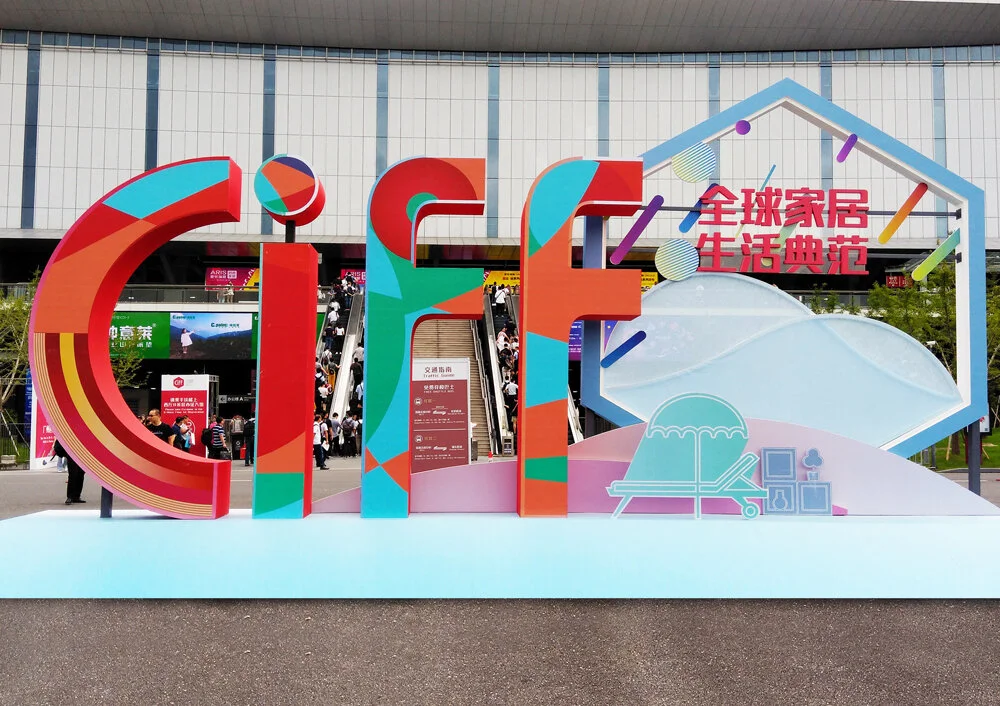
The integration of technology into furniture is transforming buyer expectations for 2026. Buyers now anticipate smart home integration and tech-enabled furniture that enhances convenience and functionality. CIFF showcases cutting-edge smart furniture solutions, demonstrating the seamless convergence of design with technological innovation. This trend extends beyond mere aesthetics, focusing on practical applications that improve daily living.
What Buyers Want From Tech-Enabled Furniture
Technology plays a pivotal role in modern furniture design, directly impacting buyer expectations. Consumers demand innovative furniture features that offer convenience, comfort, and connectivity. Examples observed at CIFF include integrated wireless charging, adjustable lighting systems with smart controls, and climate-controlled seating. These IoT furniture solutions enhance user experience by providing personalized environments. Connected home furnishings are no longer futuristic concepts but present-day demands. This drives manufacturers to embed advanced functionalities discreetly within elegant designs, making furniture an integral part of the smart home ecosystem.
The Push for Personalization and Memorable Experiences
The desire for unique, customizable furniture and immersive experiences is a key differentiator for buyers in 2026. Personalization in furniture design allows consumers to express their individuality and create spaces that truly reflect their style. CIFF exhibitors illustrate this through a wide array of personalized furniture options, ranging from modular systems to bespoke commissions. This shift moves beyond mass production towards tailored solutions.
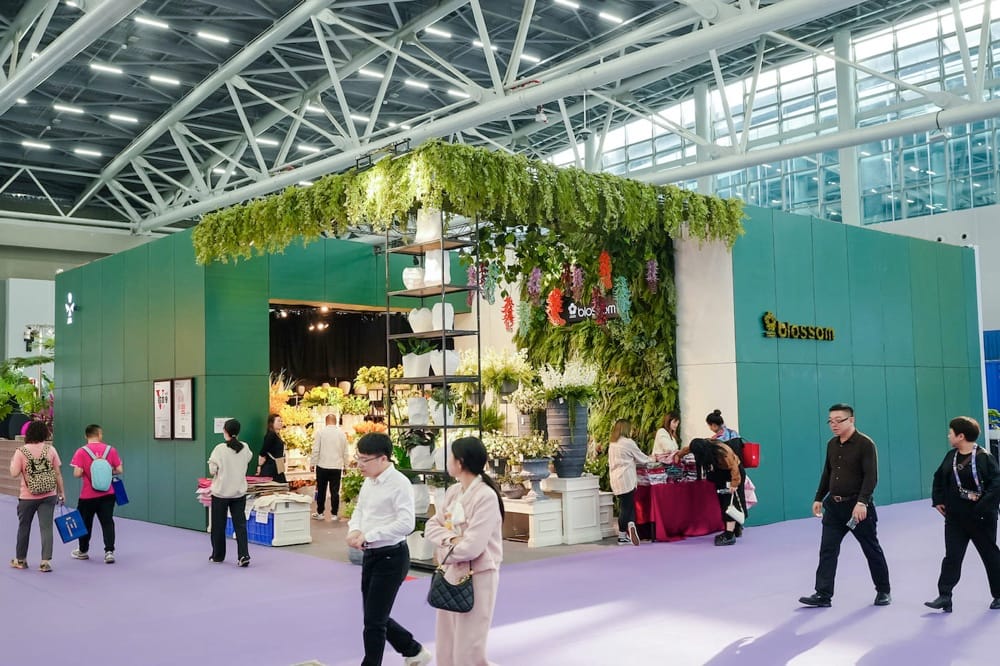
Experiential furniture retail further enhances the buying journey. It offers consumers opportunities to interact with products in engaging ways. This approach creates memorable connections between buyers and brands. The bespoke furniture market is flourishing, driven by a demand for craftsmanship and exclusivity.
| Customization Level | Description | Buyer Benefit | Market Trend |
|---|---|---|---|
| Material/Finish | Choice of fabrics, colors, textures | Aesthetic alignment | Standard |
| Modular | Reconfigurable components | Adaptability, flexibility | Growing |
| Dimensional | Size adjustments | Fit specific spaces | Moderate |
| Functional | Integrated tech, storage options | Enhanced utility | High |
| Bespoke | Fully custom design | Unique expression | Niche, high-end |
Home and Office Spaces Keep Merging
Evolving lifestyles, particularly the rise of remote and hybrid work, significantly impact furniture choices for 2026. Buyers seek adaptable spaces that transition between different functions without friction. CIFF’s insights highlight the growing importance of multi-functional furniture and hybrid furniture design solutions. These innovations cater to the demands of flexible living spaces.

The home office furniture trends reflect this need for versatility. Products now combine ergonomic comfort with aesthetic appeal, suitable for both professional work and relaxed home environments. This trend emphasizes furniture that serves multiple purposes without compromising on style or efficiency.
Common Questions About 2026 Furniture Trends
Are personalized furniture options becoming a standard expectation for buyers?
Yes, data indicates a significant increase in demand for personalized and customizable furniture. Buyers in 2026 are increasingly seeking unique pieces that reflect their individual style and specific functional needs, moving away from mass-produced uniformity. CIFF showcases numerous exhibitors specializing in bespoke and modular solutions to meet this evolving preference.
How will e-commerce impact furniture purchasing habits by 2026?
E-commerce will continue to profoundly shape furniture purchasing habits, with a greater emphasis on augmented reality (AR) for virtual try-ons, online-to-offline experiences, and efficient logistics. Buyers expect comprehensive digital showrooms and transparent delivery processes, making a strong online presence a requirement for furniture brands. CIFF provides a platform for brands to integrate their digital and physical strategies.
What new materials are gaining traction in the furniture market for 2026?
Beyond traditional materials, 2026 will see increased adoption of innovative and sustainable alternatives. This includes recycled and upcycled materials, bio-based composites, fast-growing natural fibers, and advanced lightweight alloys. Buyers are prioritizing durability, environmental impact, and unique tactile experiences, driving demand for these novel material applications, often highlighted at CIFF’s material innovation zones.
See These Trends for Yourself
The furniture industry stands at a pivotal moment, driven by evolving consumer expectations and technological advancements. CIFF remains at the forefront, forecasting and shaping the industry’s future. We invite all stakeholders to engage with these critical trends. Discover the forefront of furniture innovation and connect with global industry leaders. Join us at the next China International Furniture Fair (CIFF) in Guangzhou or Shanghai to experience these trends firsthand and shape the future of your business. Visit CIFF.com for exhibition dates and registration. For inquiries, contact caoxw@cfte.com.