


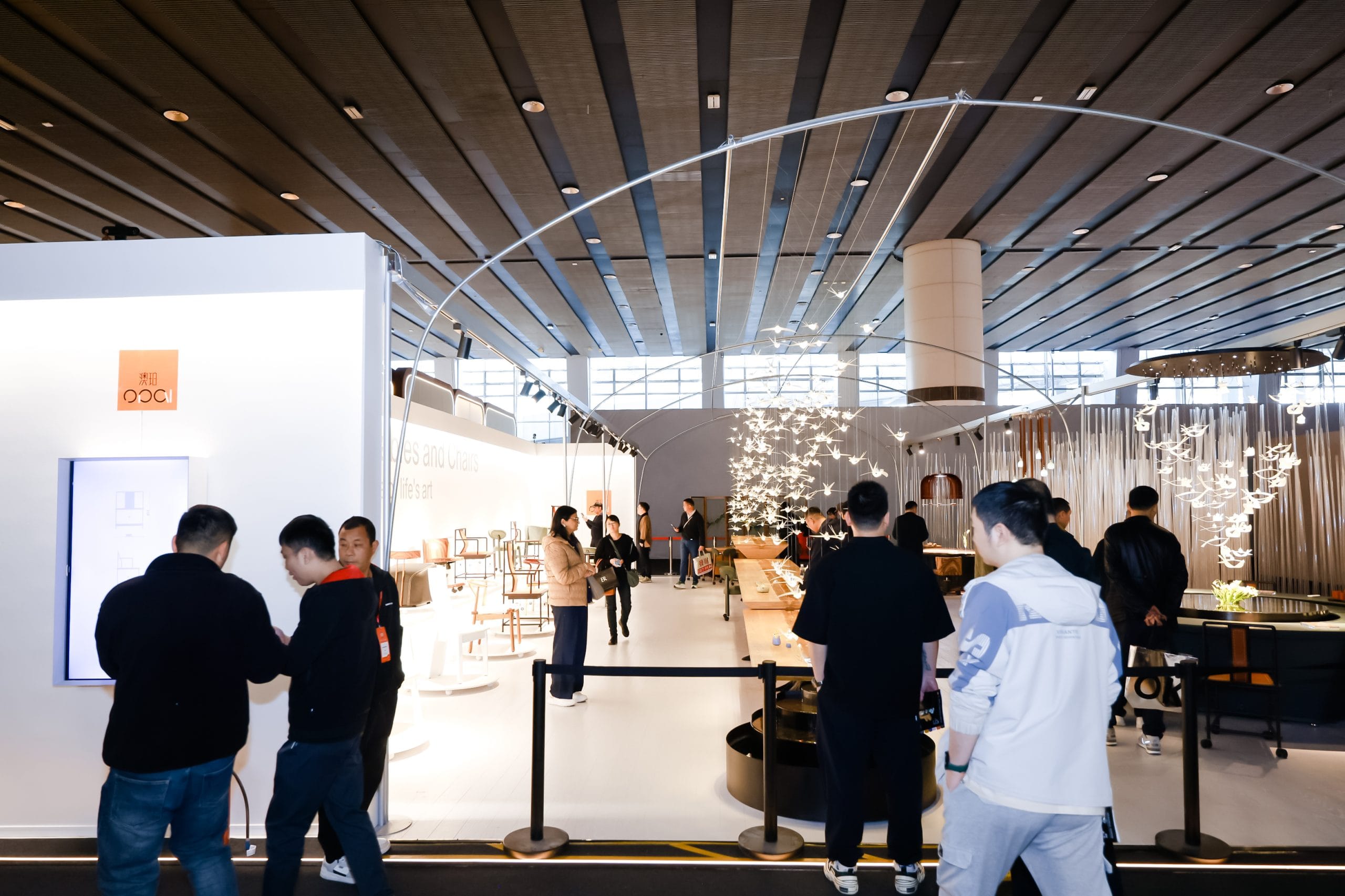
Furniture trade shows, including CIFF (China International Furniture Fair), Canton Fair, High Point Market and Salone del Mobile, are far more than mere product exhibitions. They serve as pivotal events that integrate the global home furnishing supply chain.
As bulky, non-standard and heavy goods, furniture brings severe information asymmetry to cross-border procurement. This is where trade shows deliver irreplaceable value: buyers can inspect product quality in person and negotiate in-depth cooperation deals directly with key decision-makers across the supply chain.

REGISTER NOW For FREE! :https://www.cifffurniturefair.com/the-57th-china-international-furniture-fair-guangzhou/
Four core mechanisms enable furniture trade shows to strengthen global sourcing networks:
1. Streamlining Supply Chain Cycles
Traditional cross-border sourcing follows a lengthy process: online supplier screening, email correspondence, sample confirmation and on-site factory audits. It typically takes buyers 3 to 6 months to onboard a new supplier. Leading furniture shows are strategically located within major industrial clusters, enabling seamless integration between exhibition venues and manufacturing facilities.
Supporting Facts & Data
CIFF Guangzhou, a benchmark in the industry, spans hundreds of thousands of square meters and hosts thousands of exhibitors. It consolidates manufacturers of solid wood, panel, upholstered and office furniture, as well as upstream suppliers of hardware and production machinery across a vast region into dozens of exhibition halls. Over just 3 to 4 show days, buyers can visit and evaluate 30 to 50 targeted enterprises efficiently.
Take the industrial belts of South China and the Yangtze River Delta as examples. Complete supporting industries are concentrated within a 50-kilometer radius. Buyers view samples at the exhibition halls in the morning, tour actual production workshops via shuttle buses in the afternoon, and finalize revised product drawings with in-house R&D teams the same evening — drastically cutting down the overall sourcing timeline.
2. Mitigating Risks for Bulk Transactions
B2B bulk furniture procurement involves substantial advance payments, leaving buyers exposed to two major risks: fraudulent business entities and inconsistent product quality. Polished online images can never truly reflect the comfort of upholstered seating, natural material odors or structural safety.
Supporting Facts & Data
Statistics on international B2B trade show that face-to-face meetings and on-site quality inspections remain the foundation for most initial orders and long-term strategic partnerships in global furniture sourcing.
Booking large booths at premium trade shows and investing heavily in new product development act as a credible credibility check, effectively filtering out shell companies. Additionally, buyers can run on-site tests on fabric color fastness, moisture content and joint workmanship of solid wood, as well as the damping performance of hardware components, greatly reducing the risk of mass product returns.
3. Driving Industrialized Mass Production & Cost Reduction
Major global buyers — including large retail chains, international brands and top cross-border e-commerce operators — attend these shows primarily to source flexible supply chains capable of delivering cost-effective mass-produced furniture.
Supporting Facts & Data
Workflow: Concept sketches by Western independent designers & brands → Partnership with top manufacturers at trade shows → Structural optimization for KD (Knock-Down) designs → 30% reduction in ocean freight volume + compliance with ISTA-3A drop test standards
Cutting-edge manufacturing equipment and technologies showcased at machinery and material pavilions also reshape sourcing practices. Buyers get first-hand access to fully automatic edge banding machines, laser fabric cutters and intelligent spraying systems. Top sellers on platforms like Amazon and Wayfair collaborate with exhibitors’ R&D teams to co-develop KD furniture lines.
Thanks to well-designed concealed hardware and honeycomb carton packaging, products fully pass the ISTA-3A international drop test, while shipping volume is reduced by 20% to 35%. This is a critical advantage amid soaring logistics costs, helping buyers safeguard profit margins at the retail end.
4. A Barometer for Global Trade Volume & Buyer Dynamics
Visitor demographics, booth supply and demand, and on-site order signing rates at furniture trade shows directly mirror and steer shifts in global home furnishing consumption and order distribution.
Supporting Facts & Data
Major furniture exhibitions generate billions of US dollars in intended transaction volume.
Buyer sources have grown increasingly diverse. From 2025 to 2026, besides traditional European and American buyers, the number of purchasers from Belt and Road regions, the Middle East, Southeast Asia and Latin America has climbed steadily, with overseas visitor growth exceeding 20% at some shows. This trend diversifies China’s furniture export landscape and lowers reliance on single markets.
According to incomplete statistics from show organizers and industry associations, deals secured on-site and within three months after the event account for 40% to 60% of the annual export revenue for participating leading manufacturers.