


Walking through CIFF halls, you notice something immediately: the booths that draw crowds aren’t always showing the most innovative products. They’re telling stories that make buyers stop, lean in, and ask questions. That distinction matters more than most exhibitors realize when competing for attention among thousands of brands at the China International Furniture Fair.
Why Product Specs Alone Won’t Win at CIFF
A compelling brand narrative does more than describe what you make. It explains why you make it, who you make it for, and what problem you’re solving that others aren’t. At a fair where buyers encounter hundreds of similar-looking products, this context becomes your competitive edge.
The numbers support this. Research shows that brand narratives increase buyer recall by 22 times compared to factual data alone. Exhibitors who arrive at the China International Furniture Fair with a clear, practiced story report 30% higher engagement rates at their booths.
Building this narrative requires honest reflection. What drove the founders to start this company? What design philosophy guides product decisions? What customer frustration does your product eliminate? These answers form the backbone of a story that resonates emotionally rather than just informing technically.
Your unique value proposition should emerge naturally from this process. Rather than claiming to be “the best” or “the most innovative,” a strong narrative shows buyers why your approach matters to their specific needs.
Turning Your Booth Into a Story People Walk Through
The physical space you occupy at CIFF should feel like stepping into your brand’s world, not browsing a catalog. When done well, your booth becomes an on-site brand experience that visitors remember long after the fair ends.
This experiential approach delivers measurable results. Trade show data indicates that experiential marketing leads to 70% higher conversion rates. At CIFF specifically, attendees spend 20% more time at booths offering interactive storytelling elements.
Visual storytelling for exhibitors starts with spatial design that guides visitors through a logical sequence. Consider how a furniture showroom works: you don’t just see products, you see them in context, arranged to suggest how they might live in a real space.
Making Your Space a Destination, Not Just a Display
Standing out at a massive event like the China International Furniture Fair requires deliberate differentiation through design and interaction.
Technology can help, but only when it serves the story. Augmented reality product demonstrations work when they show something buyers couldn’t otherwise see, like how a modular system reconfigures or how a material ages over time. Virtual reality makes sense when it transports buyers to a context they can’t experience on the show floor.
Interactive booth elements should invite participation rather than passive observation. Let visitors touch materials, test mechanisms, or configure options themselves. This hands-on engagement creates memories that static displays cannot match.
The goal is transforming your CIFF exhibition strategy from “look at what we sell” to “experience what we believe.”
Getting Journalists to Tell Your Story for You
Media coverage at CIFF amplifies your reach far beyond the visitors who physically enter your booth. With over 500 journalists from global publications attending, the opportunity for earned media is substantial.
Targeted media outreach can increase brand mentions by 40% post-event. But securing that coverage requires preparation and proactive communication.
Your media kit essentials for CIFF should include high-resolution images that tell a story, not just product shots. Include lifestyle photography, behind-the-scenes manufacturing images, and portraits of key team members. Press releases should lead with news, not company history. What are you launching? What trend are you responding to? What problem are you solving differently?
Influencer engagement at CIFF extends your story across digital platforms where traditional media doesn’t reach. Identify content creators whose audiences align with your target buyers and invite them for exclusive previews or demonstrations.
From First Handshake to Long-Term Partnership
Building buyer relationships at CIFF extends well beyond the initial conversation. The story you tell during the fair should continue through every subsequent touchpoint.
This matters because 60% of CIFF buyers seek long-term partnerships, not one-off purchases. They’re evaluating not just your current products but your reliability as a future collaborator.
Effective buyer engagement strategies during the fair focus on meaningful conversations rather than rapid-fire pitches. Ask questions about their business challenges. Listen to what they’re looking for. Connect your narrative to their specific needs.
Post-show follow-up at CIFF is where many exhibitors lose momentum. Personalized follow-up increases lead conversion by 20%, yet generic “nice to meet you” emails remain the norm. Reference specific conversations. Send relevant materials based on what each buyer expressed interest in. Maintain the personal connection your booth experience established.
What Makes a Furniture Brand Story Actually Powerful
A powerful brand story in the furniture industry rests on authenticity, emotional connection, and relevance to current market realities.
It should convey craftsmanship in specific terms, not vague claims of quality. What techniques do your makers use? What training do they have? What decisions do they make that machines cannot?
Design philosophy matters when it’s genuine. If sustainability drives your material choices, explain the tradeoffs you’ve accepted to prioritize it. If heritage craftsmanship defines your approach, show the lineage and training that makes it real.
The lifestyle your products enable should feel attainable and specific. Rather than aspirational imagery that feels disconnected from real homes, show how your furniture solves actual living challenges.
This emotional branding approach helps buyers connect with your brand beyond specifications, aligning with broader industry trends at CIFF.
| Touchpoint | Key Objective | Storytelling Element |
|---|---|---|
| Pre-Show | Generate Interest | Teaser campaigns, brand videos |
| Booth Interaction | Engage & Educate | Product demonstrations, design narratives |
| Post-Show | Nurture Leads | Personalized emails, follow-up calls |
For further insights on maximizing your interactions, consider exploring 《Find Reliable China Furniture Suppliers at CIFF 2026》.
Proving Your Story Worked: Measuring What Matters
Quantifying the effectiveness of your brand storytelling efforts is essential for demonstrating return on investment and improving future exhibitions.
Exhibitors who track ROI post-show achieve 25% better results in subsequent years. Digital engagement metrics at CIFF can predict 15% of post-show sales leads.
Monitor booth visitor engagement time, not just traffic counts. A hundred visitors who stayed for meaningful conversations outweigh a thousand who glanced and moved on. Track lead quality through qualification questions during conversations. Media mentions and sentiment analysis reveal how your story translated through press coverage. Social media engagement shows whether your narrative resonated beyond the fair itself.
This data provides a comprehensive view of your trade show brand positioning and helps refine future strategies. Leveraging CIFF for market entry and strategic partnerships requires meticulous measurement to understand what’s actually working.
Adapting Your Narrative for Global Markets
The global furnishing industry evolves constantly, requiring brands to adapt their narratives to shifting trends and diverse cultural contexts.
Brands adapting to global trends see 18% higher international market penetration. With CIFF hosting visitors from over 200 countries, culturally sensitive narratives become essential rather than optional.
Sustainability in furniture branding resonates across markets but means different things in different regions. European buyers may prioritize certifications and lifecycle analysis. Asian markets might focus on material sourcing and manufacturing practices. North American buyers often respond to local production stories and reduced shipping impacts.
Cross-cultural brand communication requires more than translation. It demands understanding what values resonate in each market and adapting your story’s emphasis accordingly. The core narrative remains consistent, but the aspects you highlight shift based on audience.
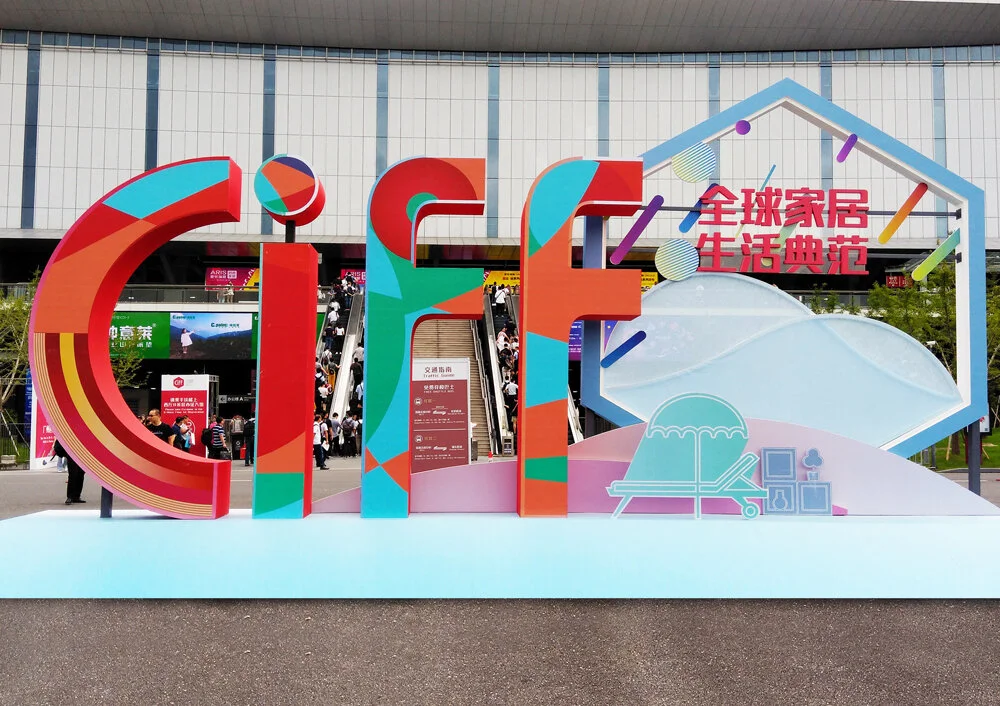
What Makes a Furniture Brand Story Actually Powerful
A powerful brand story in the furniture industry hinges on authenticity, emotional connection, and relevance to current market trends. It should convey the craftsmanship, design philosophy, and the lifestyle your products enable. Highlighting sustainable practices or unique material sourcing can also create a compelling narrative. This emotional branding furniture approach helps buyers connect with your brand on a deeper level, aligning with industry trends at CIFF.
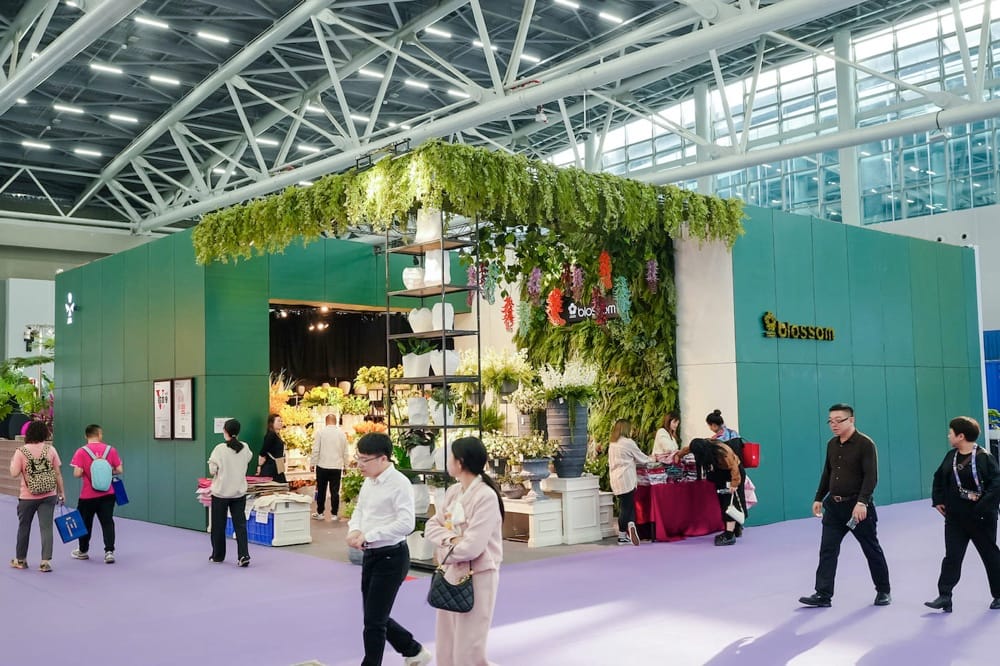
Making Your Space a Destination, Not Just a Display
To effectively stand out at a large event like CIFF, exhibitors must differentiate their brand through strategic design and interactive elements. Strategic use of technology, such as augmented reality (AR) or virtual reality (VR) product demonstrations, can significantly elevate engagement. Incorporate interactive booth elements that allow visitors to experience your products firsthand. This CIFF exhibition strategy transforms your space into a destination, not just a display.

How do you secure positive media coverage for your brand at a trade fair?
Develop a compelling media kit with high-resolution visuals, a clear press release, and a concise brand story. Proactively identify key journalists and publications relevant to the furniture industry and schedule pre-show interviews. During the event, have a dedicated spokesperson available and engage with media representatives at your booth, offering exclusive insights or product demonstrations. Follow up promptly post-show with additional information and assets to maintain the momentum.
What role does visual storytelling play in impressing buyers at CIFF?
Visual storytelling is paramount for impressing buyers at CIFF because it allows for immediate, impactful communication in a visually-driven industry. High-quality product photography, engaging video content showcasing craftsmanship, and immersive booth designs that reflect your brand’s ethos all contribute. Interactive displays, material libraries, and lifestyle settings help buyers visualize products in context, creating an emotional connection and a memorable brand experience that transcends mere product display.
How can CIFF exhibitors measure the effectiveness of their brand storytelling efforts?
Track booth visitor engagement time, lead quality and conversion rates, media mentions and sentiment analysis, and social media engagement related to your CIFF presence. Post-show surveys can gauge brand recall and message comprehension among buyers. Correlating these metrics with sales inquiries and new partnership agreements provides a comprehensive view of your storytelling’s impact and ROI at the china international furniture fair.
Partner with CIFF for Unparalleled Growth
Elevate your brand’s presence and impact at the next china international furniture fair (ciff). Partner with us to transform your exhibition strategy into a compelling narrative that resonates with global buyers and media. Contact CIFF today at caoxw@cfte.com to explore how our platform can amplify your brand’s unique story and foster unparalleled business growth.