


CIFF Guangzhou 2026 gave us a front-row seat to where the furniture world is heading. Walking through the halls of the world’s largest home furnishing fair, you pick up on shifts that numbers alone can’t capture. Design is getting smarter, sustainability isn’t optional anymore, and the way we make and sell furniture is changing fast. What follows pulls together the patterns worth paying attention to if you work in this space.
Design at CIFF 2026 Went Beyond Looking Good
CIFF Guangzhou 2026 showed furniture design growing up. Aesthetics still matter, but they’re sharing the stage with function and clever engineering now. Sustainable furniture dominated the conversation. Exhibitors brought pieces made from recycled materials, fast-growing resources, and timber with proper chain-of-custody documentation. People want to know where their stuff comes from. Modular systems kept appearing too. These designs let you rearrange, add on, or scale back as life changes. For anyone living in a city apartment, that flexibility makes a real difference.
Ergonomics showed up everywhere, especially in office and living room pieces. Manufacturers are thinking harder about how bodies actually use furniture over hours and years. Adjustable mechanisms and supportive structures aren’t afterthoughts anymore. Materials drove a lot of this forward. New composites, lighter metals, and bio-based plastics appeared throughout the fair. They’re stronger, look better, and carry less environmental baggage. Several brands featured bamboo laminates that deliver both structural integrity and a distinctive grain pattern. Self-healing finishes and temperature-responsive fabrics hint at furniture that responds to how we live. These shifts are reshaping interior design trends across homes and commercial spaces alike.

| Material Trend | Key Application Areas | Benefits |
|---|---|---|
| Recycled Plastics | Outdoor furniture, decorative accents | Reduces waste, durable, weather-resistant |
| Bamboo Laminates | Tables, chairs, shelving | Sustainable, strong, unique aesthetic |
| Bio-based Composites | Panels, structural components | Eco-friendly, lightweight, customizable |
| Lightweight Metals | Frames, modern designs | Durable, sleek, easy to transport |
| Self-healing Finishes | Tabletops, high-traffic surfaces | Extends product lifespan, reduces maintenance |
Trade Patterns Are Shifting and CIFF 2026 Showed Where
CIFF Guangzhou 2026 worked as a pressure gauge for global furniture trade. The numbers tell part of the story. Over 380,000 professional visitors came from more than 200 countries and regions. That reach matters for building international partnerships. Exhibitors noticed something interesting this year. Interest spiked from Southeast Asia, Africa, and Latin America. These markets want quality without the premium price tags that Western buyers have traditionally paid. New export market insights are emerging from these regions.
Supply chain conversations came up constantly. Companies are spreading their manufacturing and sourcing across more locations. Geopolitical uncertainty and shifting trade policies pushed this along. Nearshoring and friend-shoring aren’t just buzzwords anymore. They’re operational strategies that cut lead times and simplify logistics. Digital platforms keep making cross-border deals easier to execute, improving supply chain optimization across the board. Chinese manufacturers are also repositioning themselves. The focus is moving toward higher-value products and original designs rather than pure volume. That shift opens new doors for market expansion.
Understanding how CIFF Guangzhou shapes these trade dynamics matters for anyone in the business. 《How will CIFF Guangzhou 2026 impact global furniture trade?》 digs deeper into these patterns.
Technology and Sustainability Merged at CIFF 2026
Technology and environmental responsibility ran through everything at CIFF Guangzhou 2026. Smart home integration appeared in forms that would have seemed far-fetched a few years ago. Beds track your sleep. Sofas charge your phone wirelessly. Voice commands adjust your furniture. The better implementations hide the tech inside clean designs. You get the function without the gadget aesthetic.
The sustainability push went beyond marketing claims. Brands showed real work on reducing carbon footprints, cutting waste, and incorporating recycled components. FSC certifications and low-VOC finish labels appeared prominently. Sustainable manufacturing has become a competitive requirement. Circular economy thinking is gaining ground too. Conversations focused on making furniture that lasts longer, can be repaired, and eventually gets recycled rather than landfilled. Eco-friendly materials aren’t a niche category anymore. They’re becoming the baseline expectation.
Standout Product Launches at CIFF Guangzhou 2026
A few innovative furniture products stuck with me after walking the fair. One modular sofa system included built-in air purification. For city dwellers dealing with pollution, that’s genuinely useful rather than gimmicky. A dining table featured an invisible induction charging surface integrated into the top. No visible tech, just function. An AI-powered ergonomic office chair caught attention too. It reads your posture and adjusts throughout the day. That represents a real product design breakthrough for workplace health.
Sustainability Practices That Got Attention
Green furniture production showed up in concrete ways at CIFF Guangzhou 2026. Reclaimed wood, bamboo, and recycled plastics formed the basis for many collections. Water-based finishes and non-toxic adhesives appeared throughout. FSC and OEKO-TEX certifications gave buyers verification that claims held up. The focus extended across the entire product lifecycle, from raw materials through end-of-life disposal. Eco-conscious design has moved from differentiator to expectation.
Manufacturing Is Getting Smarter and Faster
The production side of furniture showed clear technological advancement at CIFF Guangzhou 2026. Furniture automation and robotics are transforming how things get made. Automated cutting machines work faster and waste less material. Robotic assembly lines maintain consistency that human workers struggle to match over long shifts. AI-driven quality control catches defects earlier. This points toward industry 4.0 furniture manufacturing becoming standard practice. Production efficiency gains compound over time.
Digital manufacturing keeps expanding its footprint. 3D printing handles prototypes and custom components that would have required expensive tooling before. Product development cycles shrink. Complex designs become feasible. Companies investing in these manufacturing technology capabilities position themselves for a market that demands both customization and speed. Smart factories with interconnected systems represent where this is heading.
Where Home Furnishing Goes From Here
CIFF Guangzhou 2026 painted a picture of future furniture trends and the broader home furnishing outlook. Smart technology, sustainable practices, and customization will keep converging. Consumers want products that look good and work hard while not wrecking the planet. Health and well-being considerations will drive material choices and functional features.
Multi-functional and space-saving furniture will grow in importance, especially in dense urban markets. Experiential retail is becoming necessary. People want to try smart furniture and understand sustainable features before buying. Market forecasting suggests online sales will keep climbing, which means digital strategy can’t be an afterthought. Designers, technologists, and material scientists will need to work together more closely. The best products will come from that collaboration.
For more on applying these insights to business growth, 《How can businesses leverage the insights from CIFF Guangzhou 2026 for market expansion?》 offers additional perspective.
The Connections Made at CIFF Matter as Much as the Products
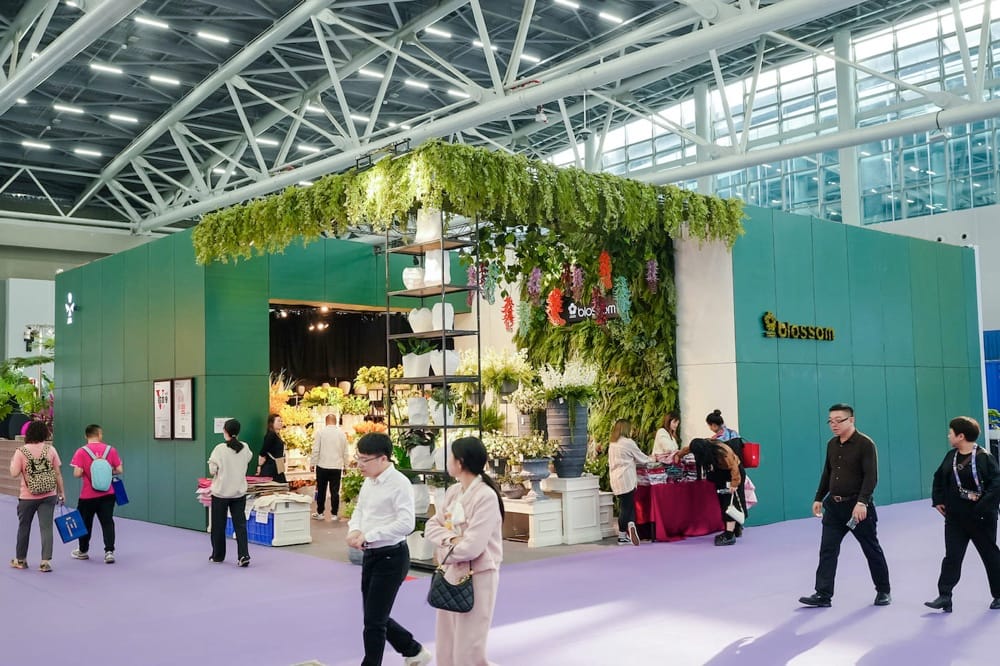
CIFF Guangzhou 2026 confirmed its role as the central meeting point for furniture industry networking and business collaboration. Over 4,900 brands spread across the exhibition space. That density creates opportunities you can’t replicate through video calls or email. Design forums and B2B matchmaking sessions put the right people in the same room. Partnerships form. Ideas cross-pollinate.
The 380,000-plus professional visitors represent serious professional development and market intelligence opportunities. You see global trends firsthand. You understand what competitors are doing. You hear directly from buyers about what they need. Conversations about supply chain challenges and sustainability targets happen naturally when people gather at this scale. CIFF keeps earning its position as an accelerator for the global furniture sector.

Frequently Asked Questions about CIFF Guangzhou 2026
What were the major themes driving innovation at CIFF Guangzhou 2026?
ciff guangzhou 2026 centered on sustainable furniture design, advanced smart home integration, and manufacturing technology that’s changing how products get made. The industry is clearly moving toward solutions that address environmental concerns, embrace technology, and respond to what consumers actually want.
How can businesses leverage the insights from CIFF Guangzhou 2026 for market expansion?
The export market insights and global furniture trade trends at ciff guangzhou 2026 point toward specific opportunities. Emerging markets are hungry for quality products at accessible price points. Understanding new consumer preferences and building international partnerships through the fair creates pathways for strategic growth.
What role did smart home integration play in the furniture showcased at CIFF 2026?
Smart home integration ran through much of what ciff2026 offered. Furniture now comes with embedded charging, intelligent lighting controls, climate features, and entertainment systems built in. The better examples hide the technology inside designs that still look like furniture rather than gadgets.
Were there any significant developments in furniture manufacturing technology at CIFF Guangzhou 2026?
Manufacturing technology took a visible leap at ciff guangzhou 2026. Automation, robotics, and AI-driven production processes appeared throughout. These tools improve efficiency, reduce waste, and make customization economically viable at scales that weren’t possible before.
What makes CIFF Guangzhou a leading event for future furniture trends?
ciff guangzhou covers the entire industry chain in one place. Design innovation, manufacturing advances, and global trade all converge here. The concentration of top brands and serious professionals makes it the most reliable indicator of where styles, technologies, and markets are heading.
Connect with CIFF
As the world’s largest home furnishing fair, ciff shapes where this industry goes next. Whether you want to explore trends, find partnership opportunities, or plan your participation in future events, reaching out to China International Furniture Fair (CIFF) directly makes sense. Visit the website or contact caoxw@cfte.com to start the conversation.