


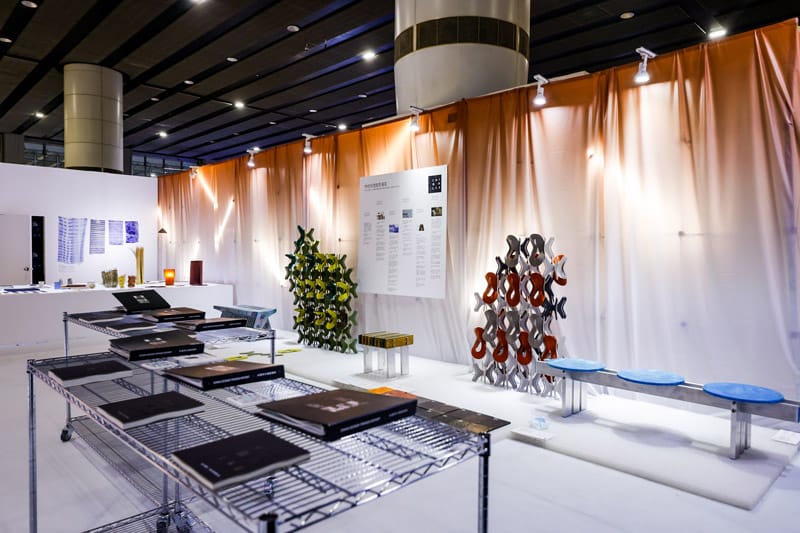
At the 57th China International Furniture Fair (CIFF Guangzhou), which closed earlier this year, circular economy themes were embedded throughout many details of the exhibition.
Driven by the EU Green Deal, the cradle-to-cradle design philosophy was widely showcased across residential furniture, commercial office spaces, and furniture hardware & accessory zones at CIFF Guangzhou.
1. Modular, Demountable Knock-Down Office Furniture
At the core of the C2C concept lies the infinite circulation of industrial materials. When furniture can be disassembled, sorted and reassembled like building blocks at the end of its service life, resource utilisation can be maximised and environmental pollution minimised.
Within the office and commercial space solutions area in Hall A of CIFF 2026, multiple leading manufacturers launched modular, bolted assembly office furniture systems with zero adhesive bonding.
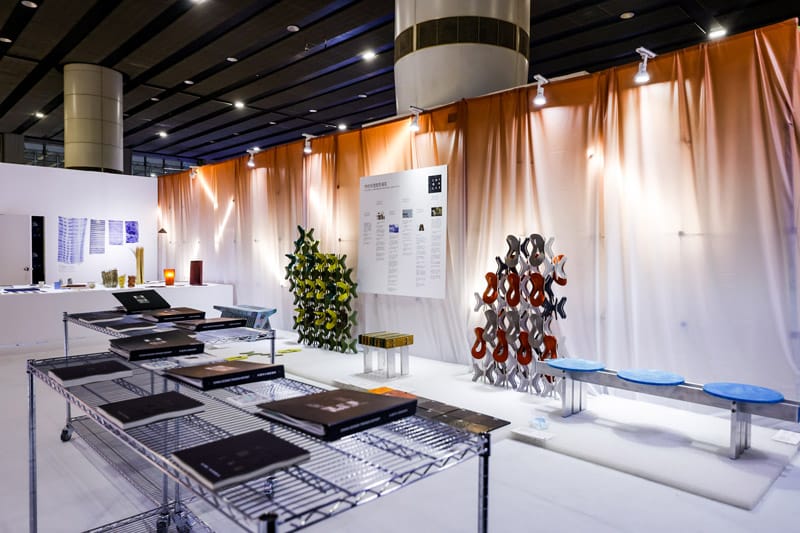
As a top Chinese office furniture brand, Sunon Technology has vigorously rolled out its UP-UP Carbon Neutrality strategy in recent years. At the Office Environment Pavilion of CIFF Guangzhou 2026, Sunon displayed highly integrated modular workstations and prefabricated office space systems built around C2C principles. The products adopt patented physical snap fasteners and standard assembly interfaces. Once the furniture reaches end-of-life, technicians can fully separate steel legs, frames, tabletops and acoustic partitions using simple hand tools. Damaged spare parts can be replaced directly, while aluminium and steel components can be melted and remanufactured.
REGISTER NOW For FREE! :https://www.cifffurniturefair.com/the-57th-china-international-furniture-fair-guangzhou/
2. GRS-Certified Recycled Polymer Acoustic & Soft Furnishing Systems
A core C2C requirement is that materials retain their quality after recycling, so they do not carry safety or performance risks into subsequent product lifecycles. In the soft furnishing, decor and home textile zone, multiple material suppliers exhibited eco-friendly acoustic systems made from GRS-certified recycled PET. These acoustic panels are manufactured entirely from melted-down recycled plastic bottles and textile waste.
Haitai Olin’s renewable PET acoustic and carbon-reducing partition system stands as a prime example. As a leading domestic Chinese provider of office and commercial space solutions, the company focuses on developing eco-friendly workplace environments. Its partitions and acoustic panels are 100% made from GRS-certified bottle-grade recycled polyester fibre (rPET), engineered into premium commercial soft furnishings. Even though produced from recycled plastic, the material is non-toxic, free from heavy-metal pigments and fluorinated water repellents, and suitable for remanufacturing into future generations of products.
3. CMF Innovation & Eco-Friendly Surface Finishes
Historically, paints containing harmful chemical additives were the biggest barrier to furniture recycling and prevented biodegradation.
In the furniture materials and accessories zone, several CMF suppliers showcased surface treatment solutions compliant with C2C environmental standards, including water-based coatings, formaldehyde-free plant-based adhesives and biodegradable decorative papers. These finishes deliver zero hazardous gas emissions. Critically, these eco-coatings will not contaminate wood shavings during shredding, allowing the wooden substrate to safely re-enter the natural biosphere.
Oppein Home has led low-carbon panel material R&D in recent years. In the residential furniture and whole-house customisation zone, Oppein presented its new-generation C2C eco-panel facing system. The brand has fully rolled out natural plant-protein adhesives and zero-VOC water-based coatings across its product lines, meeting stringent non-toxic environmental benchmarks. Once discarded and shredded, these panels can safely biodegrade into bio-based nutrients for soil reuse.
4. Smart Mobile Bases & Multi-Scenario Space Reuse
The most efficient circular economy principle is Reduce: multi-functional furniture cuts the overall volume of furniture consumption across society.
Smart furniture and hardware components showcased at the show, such as Meiliwang’s smart mobile base systems and various height-adjustable and multi-dimensional storage hardware, enable cabinets and furniture modules to move freely and reconfigure. A single furniture set can be redeployed for living rooms, studies, bedrooms and more, reducing redundant furniture waste.
At this exhibition, Meiliwang displayed heavy-duty smart mobile bases and modular slide rail systems engineered for flexible, circular space design. The solution actively extends product lifespans through multi-purpose functionality and drastically lowers demand for virgin resource extraction. Consumers and enterprises avoid frequent furniture replacement and disposal, delivering substantial carbon reduction and circular benefits.
Reference Materials
- Cradle to Cradle Products Innovation Institute – Official C2C Framework
- CIFF (China International Furniture Fair) Official Website https://www.cifffurniturefair.com/
- Global Recycled Standard (GRS) – Textile Exchange official page
- EU Green Deal official page – European Commission
- Sunon Technology Official Sustainability & Carbon Neutrality Introduction
- Oppein Home Sustainability Report & Low-carbon Materials R&D
- European Commission Circular Economy Action Plan
- Furniture Today: Circular Design & Demountable Furniture Industry Article