


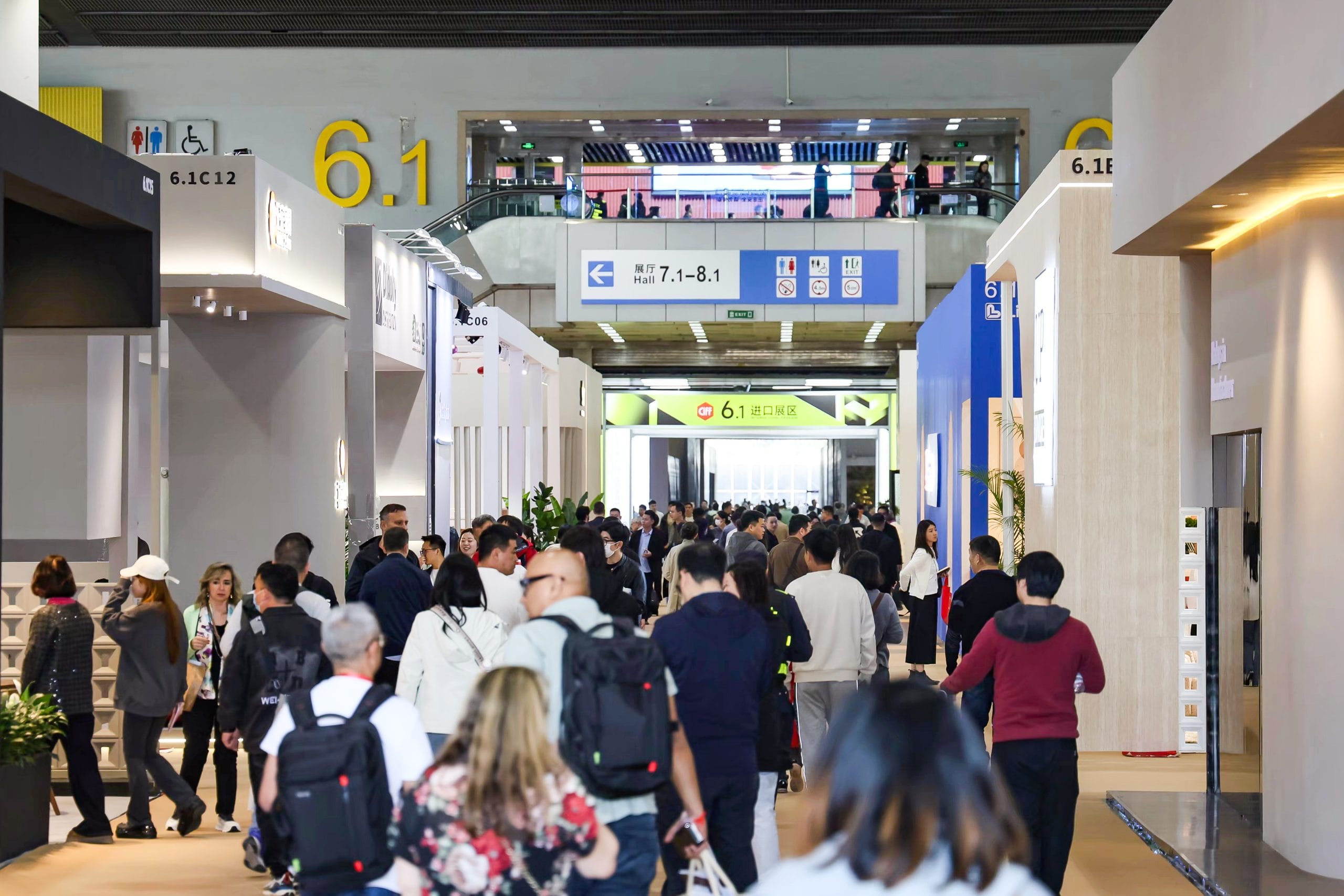
With the rapid integration of global supply chains, China has firmly established itself as the world’s furniture manufacturing hub, with export volumes rising year after year.
However, while international buyers enjoy high cost-performance ratios, they still face significant challenges, including legal compliance, global trade disputes, and supply chain volatility. Preparing for these risks is essential for a successful procurement strategy.
As the world’s largest furniture trade platform, the 57th CIFF Guangzhou (March 2026)—themed “CONNECT · CREATE”—has constructed a robust “Risk Firewall” for global buyers.
I. Three Core Risks of Sourcing Furniture from China in 2026
1. Regulatory & Tariff Risks
In 2026, governments worldwide have tightened market access for furniture imports. For instance, India has mandated BIS certification, while the U.S. continues to maintain or adjust Section 301 tariffs. According to Avian Lifestyle (2026/02), non-compliant furniture containers have faced prolonged detention at several ports due to failure to meet the new BIS regulations.
Further reports highlight the severity of these barriers:
- European Union (Source: Interiors Daily, Jan 15, 2026):“Over 200 containers of solid wood furniture remain stuck at Rotterdam Port this month. Under the newly enforced EUDR, customs authorities have rejected digital certificates that lack ‘plot-level’ geolocation precision. Importers are facing daily demurrage fees exceeding €400 per TEU while scrambling for retrospective proof of origin.”
- United States (Source: Home News Now, Feb 08, 2026):“A massive shipment of performance-fabric sofas was flagged at the Port of New York and New Jersey last week. Field tests indicated detectable levels of organic fluorine, violating the PFAS ban that took full effect on January 1st. The shipment is now slated for re-export or destruction at the owner’s expense.”
2026 Market Access Restriction Table
| Country/Region | Core Restriction | Key Certification/Label | Impact Level |
| EU | Forest Protection / Product Passport | EUDR, DPP, CE | Extremely High (Increased Compliance Cost) |
| USA | Supply Chain Traceability / Chemical Bans | TSCA VI, PFAS-Free | High (Extended Inspection Cycles) |
| India | Quality Control Order (QCO) | BIS (ISI Mark) | Extremely High (Market Entry Barrier) |
| Australia | Biosecurity / Timber Legality | BICON, FSC/PEFC | Medium (Complex Customs Clearance) |
If a factory lacks the quality certifications required for a specific market, goods may be seized or destroyed at the port. We strongly advise buyers to verify a manufacturer’s primary export markets and customs experience prior to purchasing.
2. Quality Discrepancy (The “Photo vs. Reality” Gap)
The ubiquity of e-commerce has led many trading companies to upload highly retouched product images to their websites. This presents a clear risk: What constitutes “reasonable” retouching? Is the editing intentionally masking product defects to lure buyers?
In 2026, “Image Fraud” and “Material Misrepresentation” have become the leading causes of buyer complaints. With the misuse of AI-Generated Content (AIGC), non-manufacturing trading companies can generate “live-action” photos that rival top-tier brands at a negligible cost, leading to serious legal disputes worldwide.
Case Study: In January 2026, a UK furniture retail chain ordered $250,000 worth of “Solid Oak” dining sets through a B2B platform from a company claiming to be “factory-direct.” The buyer was shown hyper-realistic “factory videos” and “product close-ups.” However, upon arrival, inspections revealed the products were actually Wood-Veneered MDF with visible glue residue at the edges.
The UK retailer initiated international arbitration on the grounds of “Fraudulent Misrepresentation.”
Source (Furniture News UK / Global Trade Review, Jan 28, 2026):
“The legal battle centers on ‘AIGC-enhanced marketing.’ The defendant admitted using AI-generative tools to ‘refine’ product textures, which effectively erased visual evidence of veneers. This case marks a precedent in 2026 for distinguishing between ‘reasonable retouching’ and ‘material deception’ in digital furniture sourcing.”
Experts generally advise that in 2026, buyers should demand transparency over aesthetics. “Furniture buyers are not just purchasing a product photo; they are purchasing the transparency of the production process.” (Source: Interiors Daily 2026 Insights).
3. Raw Material Volatility and Lead Time Delays
According to the Mordor Intelligence (2026) report, fluctuations in raw material costs (especially wood and metal) have contributed a -0.7% drag on the CAGR of export-oriented furniture enterprises. Furthermore, supply chain uncertainties have extended average lead times by 15–20% beyond expectations.
The Home Furniture Market Research Report (Update: Jan 2026) by Mordor Intelligence states:
“Restraint: Soaring lumber prices due to climate-driven supply shocks and volatility in metal markets are expected to impact the CAGR forecast by -0.7% to -0.8%. Additionally, supply-chain bottlenecks for imported hardware continue to extend lead times by 15-20% on average globally.”
Experts note that buyers relying on traditional “Just-in-Time” models face immense risks. Conversely, manufacturers with diversified raw material reserves and digital flexible manufacturing capabilities remain the most competitive.
II. How CIFF Guangzhou Reduces Sourcing Risks via Official Mechanisms
1. Strict Identity Filtration
CIFF Guangzhou sets extremely high entry barriers for exhibitors. The CIFF (Guangzhou) Official Risk Management Guide notes: “CIFF helps international buyers reduce sourcing risks through Identity Filtration… Companies securing large booths are typically mature enterprises with core production capabilities and established export qualifications.”
2. Physical Experience and Quality Verification
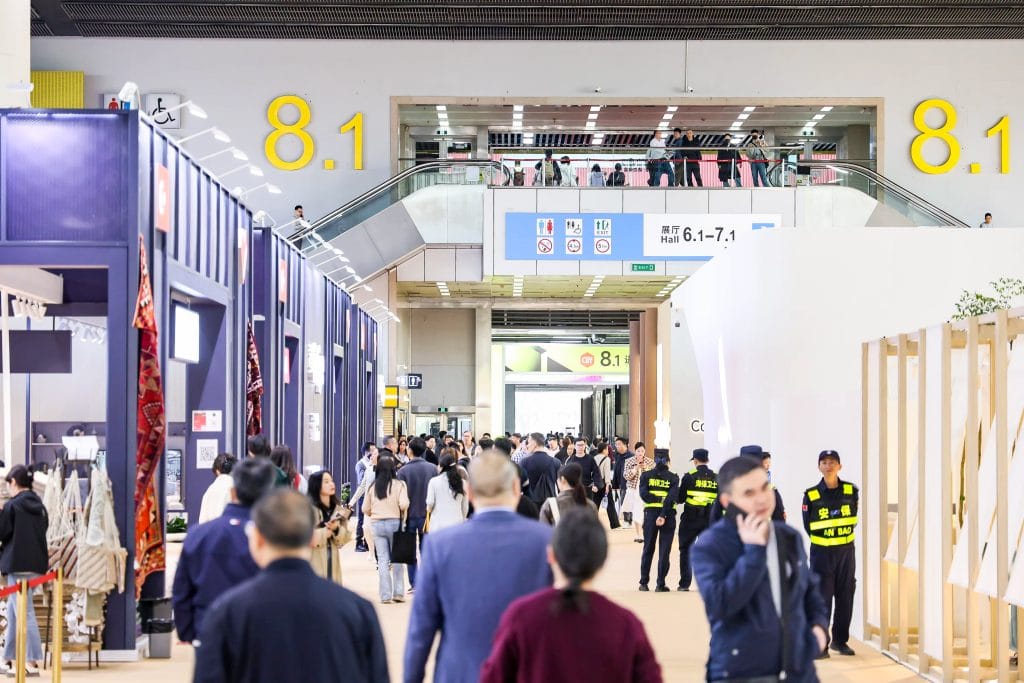
Online transactions inherently carry the risk of “sensory error.” CIFF 2026 features 850,000 square meters of exhibition space where buyers can personally test material textures, odors (VOC emissions), and hardware durability. In Area C (Materials & Hardware), buyers can connect directly with raw material suppliers to control sources at the root, ensuring reliability and traceability.
3. Official Matching Services: MEET2MATCH and the IBC Program
To bridge communication gaps and information asymmetry, CIFF launched a precision matching system. CIFF 2026 expects to attract over 380,000 visitors from 200+ countries. Through the MEET2MATCH platform, overseas buyers can pre-screen suppliers holding specific certifications (e.g., FSC, OEKO-TEX, BIS).
Additionally, outside of the exhibition period, the Click2connect online furniture trading platform provides 365-day access to verified partners.
References:
- Market Trends & Scale Report: China Home Furniture Market Analysis 2026 – Mordor Intelligence
- Trade Compliance News: Avian Lifestyle (2026/02), Interiors Daily (2026/01)
- Legal Case Studies: Furniture News UK / Global Trade Review (2026/01)