


The aging population isn’t just a demographic statistic anymore. Walk through any healthcare facility or retirement community, and you’ll see the furniture telling a story — some pieces clearly designed with seniors in mind, others awkwardly retrofitted or simply inadequate. Professional buyers at international fairs like CIFF are hunting for solutions that actually work in real-world settings, where a chair that tips too easily or a bed that’s impossible to transfer from can mean the difference between independence and injury. The market for elderly-friendly furniture has grown beyond niche status into a substantial sector demanding serious attention from manufacturers who understand what’s really at stake.
What Professional Buyers Actually Evaluate in Senior Living Furniture
The senior living market keeps expanding as demographic shifts accelerate and specialized care environments multiply. Professional buyers in this space don’t browse casually. They arrive with checklists, specifications, and hard questions about how furniture will perform under daily use by residents with varying mobility levels and health conditions.
| Feature Category | Professional Buyer Criteria | Examples |
|---|---|---|
| Safety | Fall prevention, stable construction, non-toxic materials | Rounded edges, anti-slip feet, flame-retardant fabrics |
| Comfort | Ergonomic support, pressure distribution, ease of use | Adjustable height chairs, memory foam cushions, easy-grip handles |
| Durability | High-quality materials, robust construction, easy maintenance | Commercial-grade upholstery, reinforced frames, stain-resistant finishes |
| Accessibility | ADA compliance, ease of transfer, clear pathways | Wheelchair-friendly dimensions, grab bars, contrasting colors |
| Aesthetics | Homely appearance, modern design, customizable options | Residential-style finishes, varied color palettes, modular systems |
| Hygiene | Easy to clean, antimicrobial properties | Non-porous surfaces, removable covers, medical-grade fabrics |
Senior living furniture design that integrates into existing environments matters more than many manufacturers realize. A beautiful chair that clashes with every other piece in a memory care unit won’t get ordered twice. Ergonomic furniture for seniors must support diverse physical needs — from residents who walk independently to those requiring full transfer assistance. Accessibility standards furniture isn’t optional for institutions; it’s a baseline requirement that eliminates products from consideration before features even get discussed.
Healthcare furniture market trends have shifted noticeably toward residential aesthetics. The institutional look — all vinyl and metal — is giving way to designs that feel like home while still meeting commercial durability standards. Design for aging population principles now emphasize that functionality and visual appeal aren’t competing priorities. They’re both essential.
Building a Booth That Tells the Right Story
An engaging booth environment does more than display products. It demonstrates how elderly-friendly furniture actually functions in the spaces where it will live. Trade show booth design for elderly-friendly furniture should prioritize hands-on experience over passive viewing.
Furniture exhibition tips that work for this category focus on creating scenarios buyers recognize. Set up a mock resident room. Show how a lift chair operates. Let visitors sit in seating designed for easy transfer and feel the difference in stability. Product differentiation strategies become tangible when buyers can compare your construction quality against what they’ve seen elsewhere.
Interactive furniture displays invite the kind of engagement that leads to real conversations. Visual merchandising furniture should create warmth — residential textures, appropriate lighting, spaces that feel welcoming rather than clinical. Professional buyers spend their working lives in care environments. They recognize authenticity immediately and respond to booths that demonstrate genuine understanding of their daily challenges.
What Key Features Drive Purchase Decisions for Elderly-Friendly Furniture
Professional buyers prioritize safety features elderly furniture above almost everything else. Stability testing, non-slip components, and rounded edges prevent the falls that lead to hospitalizations, lawsuits, and family heartbreak. A single unstable chair can undermine confidence in an entire product line.
Durable senior furniture matters intensely in high-traffic environments. Facilities can’t replace furniture every few years. They need pieces that withstand daily use, frequent cleaning, and the occasional impact from wheelchairs or walkers. Comfort for seniors furniture directly affects resident well-being and satisfaction scores that influence facility ratings.
ADA compliant furniture meets regulatory requirements that many institutions cannot waive. Buyers verify compliance early in their evaluation process. Aesthetics round out the picture — facilities increasingly compete for residents, and environments that feel pleasant and dignified attract families making difficult placement decisions.
Engaging Buyers Who Know Exactly What They Need
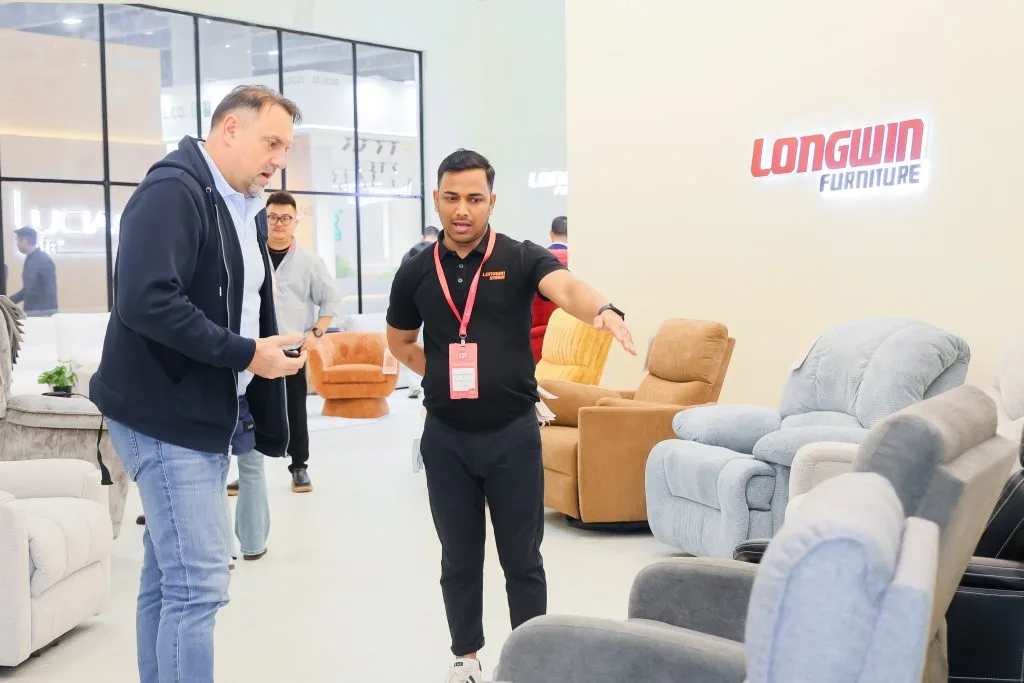
Lead generation at fairs depends on staff who can have substantive conversations. Professional buyers in the elderly-friendly furniture sector arrive with specific problems to solve. They don’t need generic product pitches. They need partners who understand their operational realities.
B2B furniture sales strategies at the fair should emphasize consultative approaches. Ask about their current challenges. Learn what’s failing in their existing furniture inventory. Discuss how your products address specific pain points they’ve experienced. Networking events furniture fair participation creates opportunities to connect with decision-makers outside the booth environment, where conversations can go deeper.
Exhibitor staff training makes or breaks fair performance. Every team member should understand technical specifications, compliance certifications, and the practical applications that matter to healthcare administrators and procurement specialists. Buyers remember exhibitors who answered their questions competently and honestly — including honest acknowledgment when a product isn’t the right fit for a particular application.
Standing Out When Every Booth Competes for Attention
Large furniture fairs like CIFF present both opportunity and challenge. Thousands of exhibitors compete for buyer attention. Furniture innovation showcased through compelling demonstrations creates memorable moments that generic displays cannot match.
Personalized buyer engagement separates serious exhibitors from those simply occupying space. One-on-one consultations allow for tailored discussions about specific facility needs. Interactive booth experiences where visitors test products and witness their benefits create the kind of hands-on understanding that brochures cannot convey.
Clear information about compliance and certifications also differentiates brands. Professional buyers need documentation. Having it organized, accessible, and ready to share demonstrates the operational competence they’ll expect from ongoing supplier relationships.
Digital Preparation That Drives Booth Traffic
Maximizing booth traffic requires work before the fair opens. Digital marketing for exhibitors should target the specific professional buyers most likely to need elderly-friendly furniture solutions. Pre-show promotion strategies that include targeted email marketing furniture industry campaigns reach procurement teams and facility administrators while they’re planning their fair schedules.
Online exhibitor profiles on the CIFF platform allow early engagement. Buyers research exhibitors before arriving. Complete, informative profiles with product details and contact information make it easier for interested parties to prioritize your booth. Social media for trade shows generates awareness and can direct potential visitors to specific booth locations and demonstration times.
Converting Fair Contacts Into Actual Business
Exhibition success extends well beyond the fair dates. Post-show follow-up determines whether promising conversations become purchase orders. Exhibition ROI depends heavily on what happens in the weeks after the event concludes.
Lead nurturing strategies should begin immediately while conversations remain fresh in buyers’ minds. CRM for trade show leads helps manage contacts and personalize communications based on specific discussions at the booth. For international furniture trade, timely follow-up demonstrates professionalism that crosses cultural boundaries.
Turning Leads Into Long-Term Partnerships
Lead conversion for elderly-friendly furniture benefits from thoughtful segmentation. Categorize contacts based on their specific needs — healthcare facilities have different requirements than retail buyers or residential developers. Personalized communication that references specific conversations or product demonstrations from the fair builds rapport that generic follow-up emails cannot achieve.
Case studies and testimonials from existing clients help demonstrate long-term value. Ongoing support services matter to buyers who need suppliers they can rely on for years. Buyer persona analysis guides follow-up timing and content. Healthcare procurement cycles differ from retail buying patterns. Understanding these differences improves conversion rates and builds the foundation for lasting client relationships.
CIFF Connects Exhibitors With Global Professional Buyers
CIFF provides an unparalleled platform for exhibitors in the elderly-friendly furniture sector. Held annually in Guangzhou, ciff guangzhou attracts over 380,000 professional visitors from more than 200 countries and regions. This concentration of qualified buyers creates opportunities that smaller regional fairs cannot match.
China furniture exhibition participants at CIFF connect with a diverse global furnishing industry audience actively seeking specialized furniture solutions. The fair’s positioning around design trends, global trade, and full supply chain coverage supports exhibitors targeting the senior living market segment. ciff guangzhou dedicates resources to industry development and trade promotion that benefit exhibitors focused on elderly-friendly furniture.

Frequently Asked Questions
How can CIFF help exhibitors specifically target professional buyers for elderly-friendly furniture?
CIFF offers specialized zones and draws a diverse professional visitor base from over 200 countries. Exhibitors can leverage the fair’s extensive reach and targeted marketing to connect with buyers from healthcare, hospitality, and specialized retail sectors actively seeking elderly-friendly furniture solutions. The platform facilitates direct engagement and showcases design trends relevant to this growing market segment.
What are the key considerations for designing a booth to attract B2B clients interested in senior living furniture at a large fair?
Effective booth design for B2B clients requires demonstrating functionality, safety, and comfort through hands-on experiences. Highlight ergonomic features, durable materials, and accessibility standards. Interactive displays that allow professional buyers to experience product benefits create stronger impressions than static presentations. Clear signage emphasizing elderly-friendly or senior living solutions helps attract the right audience.
Are there specific market trends in elderly-friendly furniture that exhibitors at CIFF should be aware of?
Key trends include multi-functional furniture, smart home integration for seniors, sustainable and non-toxic materials, and designs that blend therapeutic benefits with modern aesthetics. Professional buyers increasingly seek solutions that enhance quality of life, promote independence, and look aesthetically pleasing. The shift away from purely utilitarian institutional designs continues to accelerate.
Partner with CIFF for Global Market Access
Connect with professional buyers across the expanding elderly-friendly furniture sector through china international furniture fair (ciff). Showcase your innovations to a global audience and build the partnerships that drive business growth. Visit CIFF’s official website or contact us at caoxw@cfte.com to secure exhibition space for an opportunity to reach buyers shaping the future of senior living environments.