


The China International Furniture Fair started in 1998 as a regional exhibition in Guangzhou. What began as a platform for Chinese manufacturers to display their products has grown into something far larger. Today CIFF operates across three cities, draws hundreds of thousands of visitors annually, and covers the complete furniture supply chain from raw materials to finished goods. The fair’s expansion reflects both the growth of Chinese manufacturing and the increasing interconnection of global furniture markets.
How CIFF Started and Built Its Foundation
The China International Furniture Fair launched in 1998 during a period of rapid growth in Chinese manufacturing. The original concept was straightforward: create a reliable venue where domestic furniture makers could present their work to buyers. Those early years focused heavily on relationship building and establishing credibility within the industry.
The founding team invested considerable effort into developing proper exhibition infrastructure and forming partnerships with manufacturers, trade associations, and government bodies. This groundwork proved essential. Within a few years CIFF had become a fixture on the industry calendar, attracting repeat exhibitors and growing visitor numbers each cycle. The fair’s reputation for organization and commercial results helped transform what started as a regional trade event into something with broader ambitions.
Running Two Major Fairs in Guangzhou and Shanghai
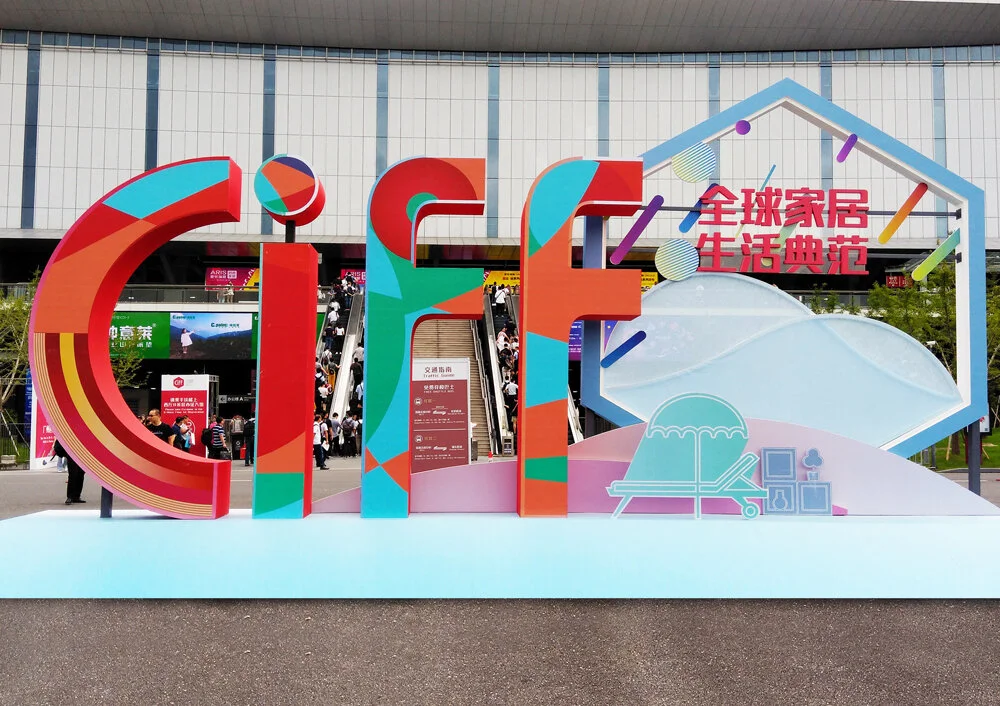
Since September 2015 CIFF has operated biannual events in two of China’s major commercial centers. The Guangzhou fair happens each March and covers a broad spectrum of home furnishings. The Shanghai edition in September leans more heavily toward design and contemporary trends.
This dual-city structure serves different purposes. Guangzhou offers manufacturers access to buyers focused on volume production and established product categories. Shanghai attracts those more interested in design-forward pieces and premium market segments. For exhibitors the two events provide distinct opportunities to reach different customer bases without choosing between them.
Moving from Local Production to International Markets
Manufacturers looking to build recognition beyond their home markets face a common set of challenges. They need visibility among international buyers, feedback on how their products compare to global competitors, and connections to distribution networks in unfamiliar territories.
Trade fairs like CIFF address these needs directly. Exhibitors gain exposure to buyers from dozens of countries in a concentrated timeframe. They can observe competitor offerings, gather market intelligence, and test reception to new designs. The networking that happens at these events often leads to distribution agreements, OEM contracts, or collaborative projects that would be difficult to arrange through other channels.
Covering the Complete Furniture Supply Chain
One characteristic that sets CIFF apart from many furniture exhibitions is its scope. Rather than focusing solely on finished products, the fair encompasses the entire production chain. Visitors can source raw materials, evaluate manufacturing equipment, and examine completed furniture all within the same event.
This comprehensive approach creates efficiencies for attendees. A manufacturer can meet with fabric suppliers, compare upholstery machinery, and connect with retail buyers during a single visit. Designers can discover new materials and see how they’re being applied in current products. The integration encourages cross-pollination between different segments of the industry.
| Segment | Coverage at CIFF | Strategic Importance |
|---|---|---|
| Raw Materials | Wood, metal, fabrics, leather, components | Essential for production and material innovation |
| Furniture Machinery | Cutting, sanding, upholstery, assembly equipment | Drives manufacturing efficiency and quality |
| Home Furniture | Living, dining, bedroom, children’s furniture | Core product offering, reflects consumer trends |
| Home Decor | Lighting, carpets, artwork, accessories | Enhances product appeal and market differentiation |
| Office & Commercial | Desks, chairs, partitions, hotel furnishings | Addresses diverse market segments and project needs |
The Guangzhou Fair and Its Scale
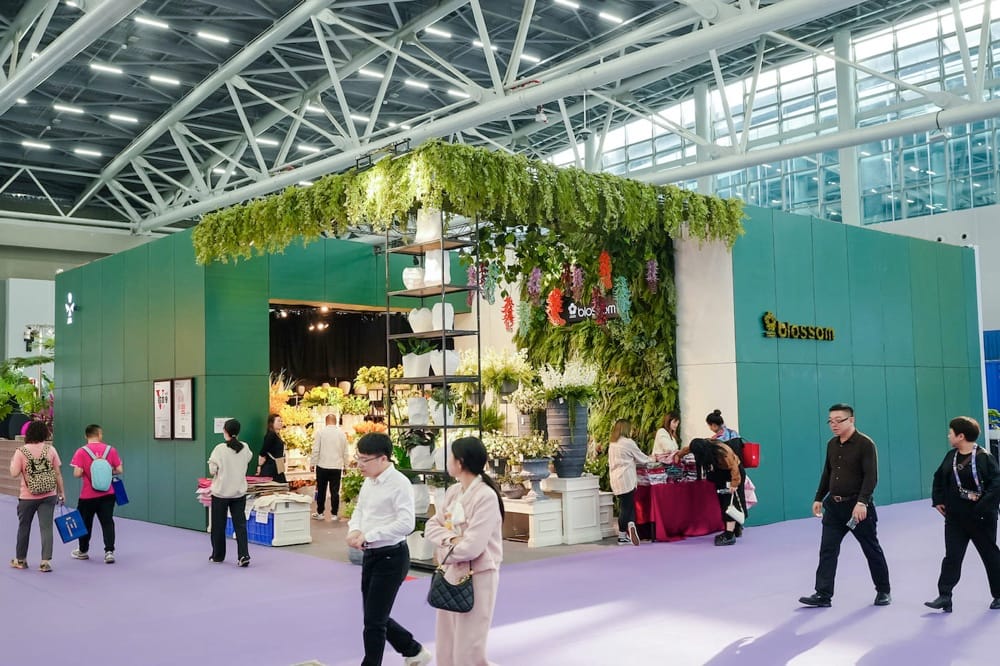
CIFF Guangzhou takes place each March at the Pazhou exhibition complex. The numbers are substantial: 850,000 square meters of exhibition space, more than 4,900 exhibiting brands, and visitor counts exceeding 380,000 from over 200 countries.
The product range spans home furniture, decor, textiles, outdoor pieces, office and commercial furnishings, hotel furniture, and the machinery and materials used to produce them. The fair positions itself around four themes: design trends, intelligent manufacturing, trade promotion, and quality consumption. For many in the industry the Guangzhou edition serves as the primary annual gathering point for commercial activity and trend observation.
Navigating the Challenges of International Expansion
Entering foreign markets involves more than simply shipping products across borders. Manufacturers must understand local regulations, adapt to different aesthetic preferences, and build reliable logistics networks. Cultural differences in how furniture is used and purchased add another layer of complexity.
CIFF provides a concentrated environment for addressing these challenges. International buyers attend specifically to source products, making them receptive to conversations about new suppliers. Market experts and consultants often attend as well, offering guidance on specific regions. The exposure to diverse design approaches helps manufacturers understand what modifications might be needed for different markets.
Adding Tianjin to the Exhibition Calendar
May 2024 marked CIFF’s expansion into a third city with the debut of CIFF Tianjin. This addition targets northern China and surrounding regions that were less conveniently served by the Guangzhou and Shanghai events.
The Tianjin fair follows the established CIFF model while addressing the specific characteristics of its regional market. Northern Chinese manufacturers and buyers gain a more accessible venue, while the fair itself extends its geographic reach. Early results will determine how this third location develops relative to the established events.

How Trade Fairs Contribute to Brand Development
The value of major trade fairs for brand building goes beyond simple exposure. These events create concentrated opportunities for the kinds of interactions that build reputation over time.
CIFF offers structured programs that match buyers with relevant exhibitors, increasing the efficiency of both parties’ time. The fair’s design showcases and curated exhibitions help position participating brands as forward-thinking. Media coverage of the event extends visibility beyond those physically present. Perhaps most importantly, the relationships formed at these gatherings often develop into long-term commercial partnerships that provide ongoing brand-building benefits.
What Comes Next for CIFF
The fair continues to evolve its format and capabilities. Digital platforms now extend engagement beyond the physical events, enabling year-round business matching and communication. Sustainability has become a more prominent theme, with increased attention to eco-friendly materials and production methods.
The exhibition’s role in identifying and promoting design trends remains central to its value proposition. Curated showcases and industry forums provide context for the commercial activity happening on the show floor. As the furniture industry itself changes in response to shifting consumer preferences and manufacturing technologies, CIFF’s programming adapts accordingly.
Elevate Your Global Presence
Elevate your brand’s global presence. Discover unparalleled opportunities for market expansion, design innovation, and strategic partnerships at the China International Furniture Fair. Connect with industry leaders and shape the future of furnishing. Visit CIFF.com or contact caoxw@cfte.com to learn more about participating in our upcoming events.
Frequently Asked Questions
What makes CIFF the world’s largest home furnishing fair?
CIFF’s status as the world’s largest home furnishing fair stems from its comprehensive coverage of the entire industry chain. This includes everything from raw materials and machinery to finished furniture and decor. Combined with its vast exhibition area and the high number of exhibitors and visitors, CIFF offers an unmatched scale and scope in the global furniture market.
How does CIFF support manufacturers in achieving global brand recognition?
CIFF supports manufacturers by providing extensive platforms for international exposure and networking. We facilitate connections with global buyers, showcase emerging design trends, and offer opportunities for trade promotion. These mechanisms help manufacturers enhance their visibility, build brand equity, and establish a strong presence in international markets.
Where and when does the China International Furniture Fair take place?
The china international furniture fair (CIFF) takes place biannually. The first session is held in Guangzhou every March, and the second session is in Shanghai every September. Additionally, CIFF Tianjin debut occurred in May 2024, expanding our reach further.