


At the CIFF 2026 outdoor furniture section, we are seeing far more than just folding chairs and sun umbrellas; the floor is filled with diverse outdoor living solutions.
Following the post-pandemic surge in outdoor activities, global demand has skyrocketed. As the world’s leading hub for outdoor furniture production, China’s supply chain has demonstrated extraordinary technical capabilities, with innovative products standing out more than ever.
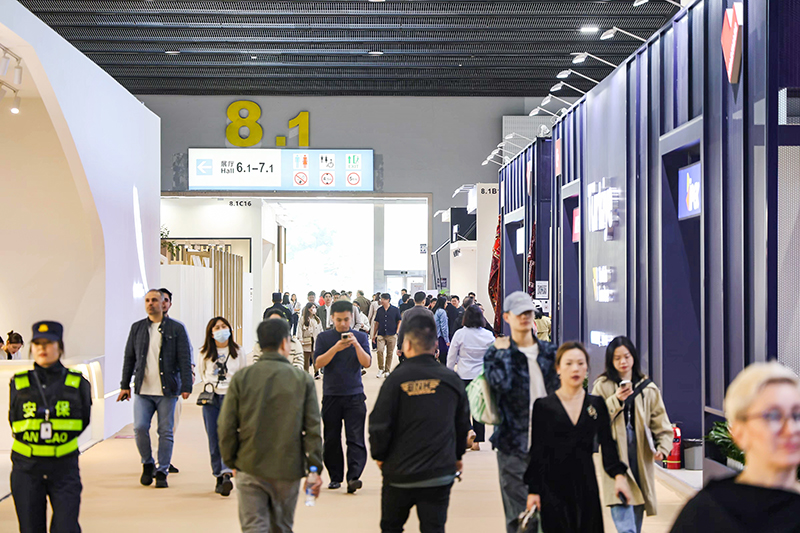
As a professional deeply involved in furniture export and materials engineering, I will deconstruct the 2026 outdoor furniture trends through the following three dimensions:
I. The New Material Revolution
In 2026, competition in outdoor furniture is essentially a race in New Material R&D. Developing products that maintain peak performance in extreme environments has become a core objective for manufacturers.
High-Performance Woven Materials
More manufacturers are adopting polyolefin and high-performance polyester fibers to replace low-end PE rattan.
Standard PE rattan is highly susceptible to oxidation, brittleness, and discoloration under sunlight, and often lacks comfort. In contrast, the modified structure of high-molecular polyolefin is UV-resistant, ensuring it does not fade or embrittle even under prolonged direct exposure. Furthermore, the multi-strand twisted structure of high-performance polyester provides superior support and elasticity.
- Technical Metric: Buyers now require certification through 3000+ hours of Xenon Arc aging tests (ASTM G154).
All-Weather Quick-Dry System
One of the biggest pain points for outdoor furniture is water accumulation and mildew after rain. The newly developed reticulated foam (hydrophobic sponge) + ultra-fine mesh support structure allows furniture to be ready for use within 30 minutes after rain.
Traditional foam acts like a “water pump,” absorbing moisture easily. Hydrophobic foam, however, features an “open-cell mesh structure” with no closed pores. Water flows directly through the foam instead of being trapped inside.
Eco-Composites
Wood-grain WPC (Wood Plastic Composite) and HPL (High-Pressure Laminate) have become mainstream. They solve the maintenance headaches of solid wood—which requires regular oiling—allowing buyers to significantly reduce upkeep costs.
Before this technology, maintaining solid wood outdoor sofas involved significant “toil.” To prevent fading, one had to manually apply wood oil at least 1-2 times a year. Furthermore, wood outdoors often develops “fuzzing” (surface fiber lifting), requiring sanding before re-oiling. Standard solid wood also has high water absorption, leading to end-grain cracking under sun exposure after rain. Without proper ventilation, the bottom of the wood is also prone to mildew.
II. Aesthetics: The “Indoorification” of Furniture
The outdoor products showcased at CIFF 2026 are now indistinguishable from high-end living room sofas.
Manufacturers have moved away from rigid, traditional metal lines in favor of curved aluminum frames processed via 5-axis CNC machining and pebble-shaped modular sofas.
- RTA (Ready-to-Assemble) Structures: Driven by the growth of cross-border e-commerce, designers are decomposing sofas into stackable or easy-to-assemble modules without sacrificing aesthetic appeal.
- Color Trends: Consumers increasingly favor “Earth Tones” and “Natural Greens.”
III. Global Buyer Preferences: Differentiated Market Logic
At the CIFF site, buyers from different regions arrive with vastly different “must-see” lists:
| Market Region | Core Preferences | Key Technical Standards |
| Europe (DE/FR/IT) | Minimalism, sustainable materials, compact sizes (for urban balconies). | EN 581 (EU Safety Standard), FSC Certification, Eco-friendly coatings. |
| North America (US/CA) | Oversized pieces, deep seating, sets featuring Fire Pits. | ASTM G154 (UV Resistance), NFPA 701 (Flame Retardant Fabric). |
| Middle East / Australia | Extreme heat resistance, full aluminum anti-corrosion frames, fade-resistant fabrics. | Salt Spray Test (720h+), Extreme temperature endurance tests. |
IV. Expert Insight: The 2026 Buyer’s Decision “Black Box”
Ultimately, professional buyers in 2026 are looking for “Zero-Maintenance Luxury.” They are no longer buying just a product; they are buying the reliability of the material science behind it.