


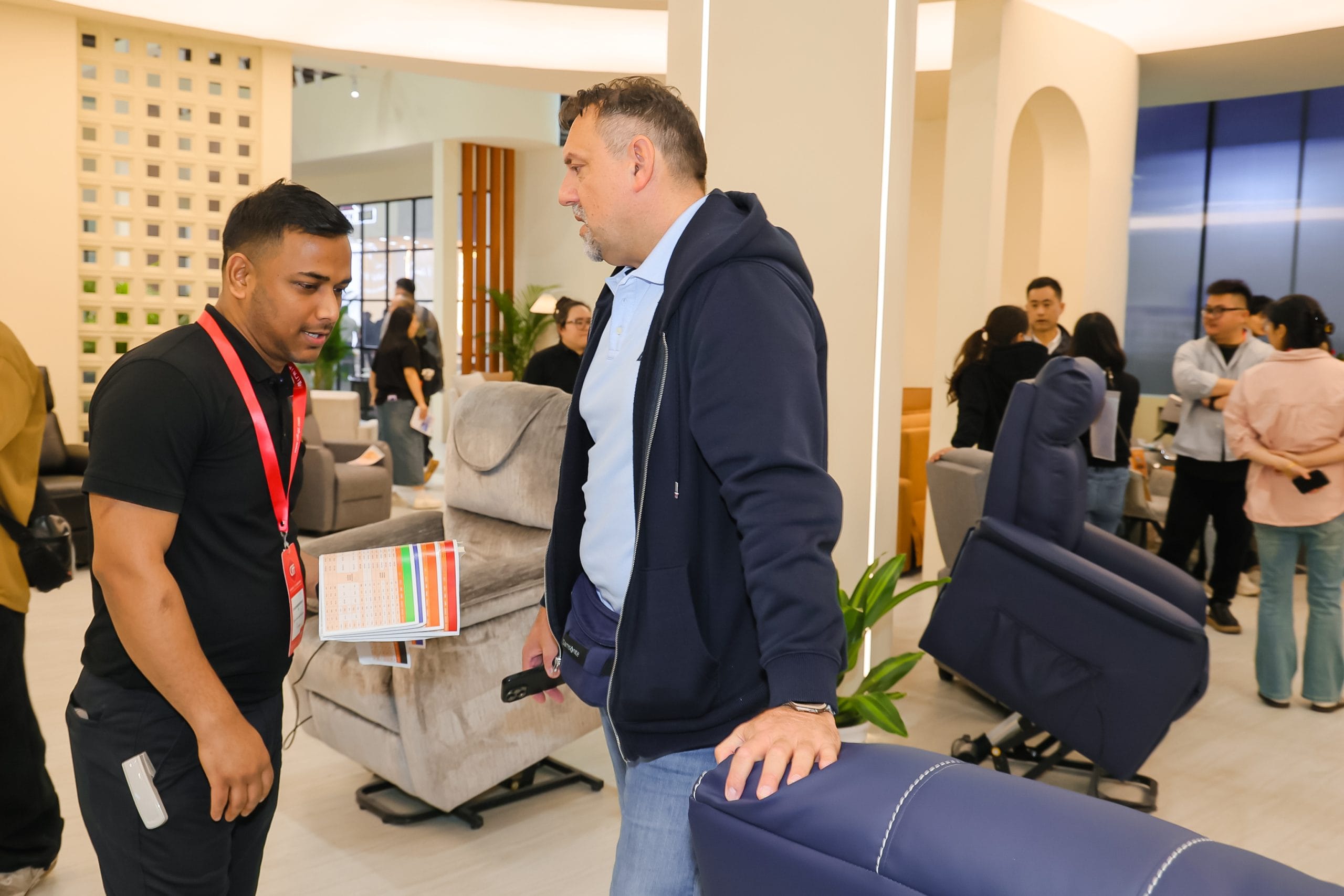
In the fiercely competitive furniture industry, Custom Design—whether it is ODM (Original Design Manufacturing) or OEM (Original Equipment Manufacturing)—represents a unique market advantage.
However, in the field of intellectual property (IP), furniture designs face the constant risk of design asset leakage. Therefore, possessing a strategic mindset for IP protection and mastering the legal and business skills for custom design negotiations, from the conceptual drawing to the final contract signing, is crucial for safeguarding innovative assets.
How can Intellectual Property be protected throughout the entire lifecycle of a custom furniture design? How can risks be minimized through precise negotiation strategies? This article will deeply analyze these points.
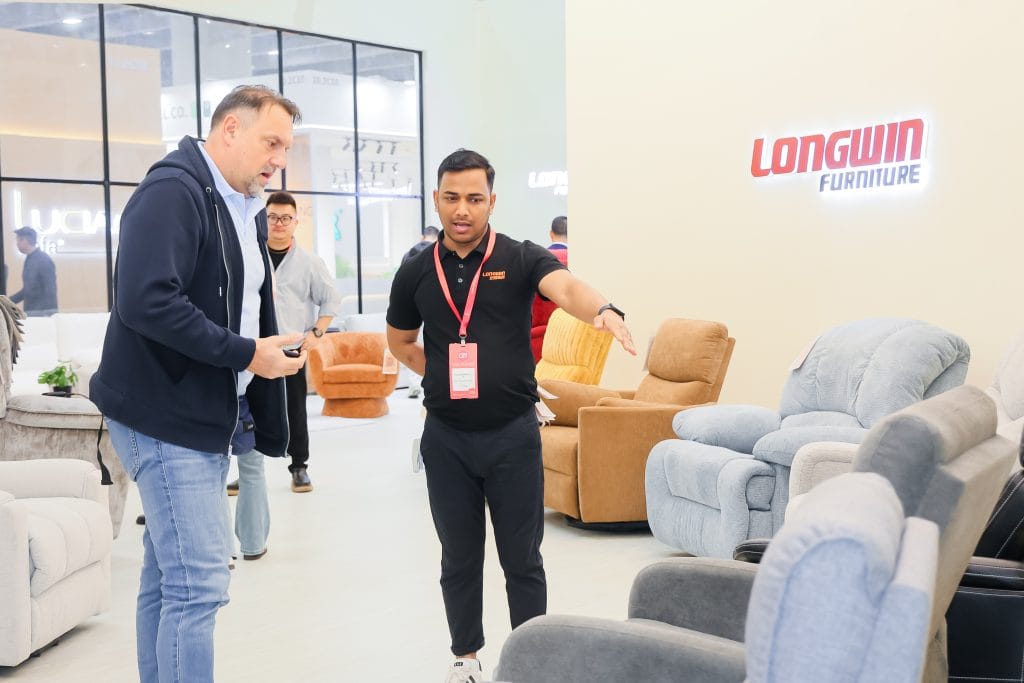
Protecting Your IP: Negotiating Custom Designs at CIFF
1. Confidentiality Measures Before Negotiation
Before any negotiation, the ownership of Intellectual Property must be clearly defined. For example, it must be determined whether the design’s IP belongs to the client’s commission, is independently developed by our party, or is jointly developed by both parties.
Subsequently, before formally showcasing detailed blueprints, both parties should sign a legally binding Non-Disclosure Agreement (NDA), which specifies the confidential information, the duration of confidentiality, and the liabilities for breach of contract.
During the initial negotiation phase, when cooperation is not yet fully confirmed, it is advisable to provide only conceptual drawings and general quotations. Detailed engineering drawings and technical specifications should only be provided gradually after a firm intention for deeper cooperation has been established.
2. Key IP Clause Negotiation Points in the Contract
When drafting an ODM/OEM contract, it is essential to clearly delineate the final ownership of the patent rights, copyrights, and other IP rights for all blueprints, technical secrets, and molds.
Furthermore, the client’s sales territory should be explicitly designated in the contract. It should be stipulated that the client is prohibited from selling the custom product in regions other than those agreed upon in the contract, thereby preventing issues of regional conflict in international trade.
In addition, you may require that the client shall not purchase the same designed products from your competitors during the contract period. Concurrently, you should also reserve the right to sell your design (after making minor adjustments and improvements) to other non-competing clients.
The last point is also crucial: the contract must set reasonable Liquidated Damages (penalties), especially for acts of intellectual property infringement or disclosure of confidential information.
Click the link below to pre-register now and participate in CIFF 2026 immediately, or scan the QR code to join.
https://www.cifffurniturefair.com/the-57th-china-international-furniture-fair-guangzhou/
You are welcome to learn about the CIFF Business Matching Service, which precisely connects you with reliable suppliers:
MATCHING CLICK 2 CONNECT
It allows exhibitors and buyers to discover potential partners based on specific needs, such as product categories, business scales, or market focuses, through intelligent matching algorithms.

Users can initiate conversations, share product catalogs, or schedule meetings virtually, breaking geographical and time barriers to lay the groundwork for in-depth cooperation.
MATCHING MEET 2 MATCH
CIFF “Meet 2 Match” refers to the IBC Matching service offered by the China International Furniture Fair (CIFF) to connect international buyers with exhibitors. It’s a precision matching project aimed at facilitating business connections during the CIFF Guangzhou event.