


Office furniture has changed more than most people realize. Walk into a well-designed workspace today and you notice it immediately: chairs that actually support how bodies move, desks that remember your preferred height, acoustic panels that make open plans bearable. These aren’t luxury additions anymore. They’re becoming standard expectations, and the shift happened faster than anyone predicted.
What Actually Makes Office Furniture Work Now
The conversation around office furniture has moved past simple comfort into something more specific. Ergonomic chairs and standing desks aren’t trends anymore. They’re responses to real problems that showed up in medical data: back pain, repetitive strain, the fatigue that accumulates from eight hours in a poorly designed chair.
Smart office furniture takes this further. Height-adjustable desks with memory settings, integrated sensors that track occupancy patterns, environmental controls built directly into workstations. These features sound excessive until you see how they function in practice. A desk that adjusts automatically when you approach it saves maybe thirty seconds each time. Multiply that across a workforce and the efficiency gains become measurable.
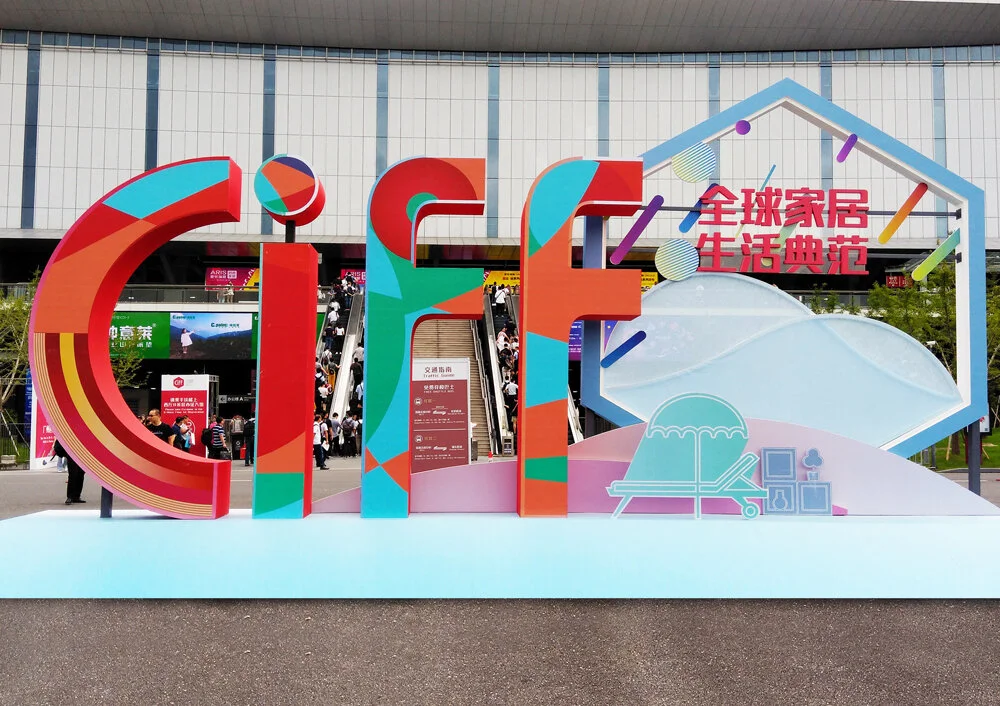
CIFF Guangzhou has become a reliable place to see where these developments are heading. The office design trends 2024 on display there reflect what manufacturers are betting on: more integration, more responsiveness, more attention to how furniture affects both physical comfort and mental focus.
| Feature | Traditional Office Furniture | Ergonomic & Smart Office Furniture |
|---|---|---|
| Adjustability | Limited | Extensive (height, tilt, lumbar) |
| Health Impact | Potential strain/discomfort | Reduced strain, improved posture |
| Technology | Minimal | Integrated sensors, connectivity |
| Energy Usage | Standard | Optimized, often energy-saving |
| User Experience | Static | Dynamic, personalized |
Flexible Layouts That Actually Support Different Work Modes
Office design has moved beyond the individual desk. The real challenge now is creating spaces that handle multiple activities without requiring constant reconfiguration. Modular office systems address this directly. Furniture pieces that connect, separate, and reconfigure let teams shift from collaborative sessions to focused individual work without relocating.
Acoustic panels have become surprisingly important in this equation. Open-plan offices promised collaboration but delivered distraction. Sound-masking solutions and strategically placed acoustic barriers create zones where concentrated work becomes possible again. The balance matters: too much separation defeats the purpose of open layouts, too little makes deep work impossible.
CIFF exhibitors demonstrate how these elements work together. Flexible office layouts shown at the fair reflect post-pandemic office design priorities, where adaptability isn’t optional. Spaces need to contract and expand based on who’s actually present. Furniture that supports this flexibility has become a procurement priority rather than a nice-to-have.
What Innovations Are Shaping Office Furniture Design
Recent innovations in office furniture design center on making pieces do more without becoming complicated. Multi-functional furniture serves multiple purposes within the same footprint. Tables with integrated charging ports eliminate cable clutter. Seating that converts into temporary work surfaces supports the informal meetings that happen constantly in modern offices.
Materials have evolved too. Sound-absorbing compounds now appear in furniture construction, not just wall treatments. Biophilic design elements like integrated planters and natural material finishes connect occupants with organic textures and patterns. These additions aren’t purely aesthetic. Research suggests they reduce stress markers and improve cognitive performance, though results vary depending on implementation.
Sustainability Has Become a Procurement Factor
Environmental considerations have shifted from marketing language to actual purchasing criteria. Sustainable office furniture now competes on performance, not just values alignment. Green office solutions use recycled plastics, rapidly renewable resources, and low-VOC finishes that reduce indoor air quality concerns.
The practical benefits extend beyond environmental impact. Eco-friendly materials often perform better over time. Recycled aluminum maintains structural integrity. Bamboo and other rapidly renewable resources offer durability comparable to traditional hardwoods. Low-emission finishes mean fewer complaints about chemical odors in newly furnished spaces.
CIFF Guangzhou actively promotes exhibitors who prioritize ethical sourcing and sustainable manufacturing practices. The emphasis reflects buyer demand. Companies increasingly require documentation of material origins and manufacturing processes. Environmentally conscious choices contribute to healthier workspaces while meeting corporate sustainability commitments.
How CIFF Guangzhou Connects Buyers With Manufacturers
CIFF Guangzhou functions as a concentrated marketplace for commercial furniture sourcing. The scale is significant: 850,000 square meters of exhibition space, over 4,900 brands, buyers from more than 200 countries. That concentration creates efficiency. Decisions that might take months of supplier research can happen in days when manufacturers and buyers occupy the same space.
The fair covers the full range of office furniture categories. Ergonomic seating, smart office systems, modular configurations, acoustic solutions. International suppliers present alongside domestic manufacturers, creating comparison opportunities that don’t exist in fragmented online searches. Global furniture trade relationships often start with conversations at CIFF.
Finding Quality Suppliers Through Direct Engagement
CIFF Guangzhou provides direct access to manufacturers that eliminates intermediary uncertainty. Attendees evaluate products firsthand, test mechanisms, examine material quality. Negotiations happen face-to-face with people who actually make decisions.
The fair also serves as a trend identification resource. What appears on exhibition floors often predicts what will dominate catalogs eighteen months later. This preview value helps buyers plan procurement cycles around emerging developments rather than reacting to them. For more insights on securing reliable suppliers, consider reading 《Find Reliable China Furniture Suppliers at CIFF 2026》.
Technology Integration Is Reshaping Workspace Function
The future of work furniture connects to broader smart office technology systems. IoT in office environments enables furniture that communicates with building management systems. Desks report occupancy data. Chairs track usage patterns. Environmental sensors adjust lighting and temperature based on actual presence rather than schedules.
AI-powered systems take this further. Furniture that learns individual preferences and adjusts automatically reduces the friction of daily setup. Connected workspaces share data across locations, enabling consistent experiences for employees who work from multiple sites.
CIFF exhibitors showcase these integrations at various stages of development. Some are production-ready. Others represent where the industry is heading. The common thread is furniture that responds rather than simply exists. Office productivity solutions increasingly depend on this responsiveness.
What Defines Smart and Comfortable Office Furniture
Smart office furniture incorporates technology that enhances functionality without requiring constant user attention. Integrated power solutions eliminate cable management problems. Automated adjustments respond to presence detection. Environmental sensors feed data to broader office management systems.
Comfortable office design encompasses more than physical ease. Ergonomic support addresses musculoskeletal concerns. Acoustic considerations reduce cognitive load from background noise. Biophilic design elements introduce organic patterns and textures that research associates with stress reduction. Contemporary workspace needs require all these elements working together rather than addressed separately.
Frequently Asked Questions About Office Furniture and CIFF Guangzhou
What Are the Primary Benefits of Investing in Ergonomic Office Furniture
Investing in ergonomic office furniture delivers measurable returns through reduced health-related absences and sustained productivity. Proper support minimizes musculoskeletal strain that accumulates over long work sessions. Employees maintain focus longer when physical discomfort isn’t competing for attention. The ergonomic benefits extend beyond individual comfort to organizational performance metrics. Fewer workplace injuries mean lower insurance costs and less disruption from medical leave.
How Does CIFF Guangzhou Maintain Exhibitor Quality Standards
CIFF Guangzhou applies vetting processes that filter for both product quality and innovation capacity. Exhibitors demonstrate manufacturing capabilities and design credentials before securing exhibition space. The fair’s focus on design trend leadership, intelligent manufacturing, trade promotion, and quality consumption creates expectations that exhibitors must meet. This curation makes CIFF a reliable platform for identifying furniture industry trends and sourcing decisions. For more details on what to expect, check out 《Venue Guide: 2026 CIFF Guangzhou Furniture Halls & Maps》.
Why Has Sustainable Office Furniture Become a Business Priority
Sustainable office solutions address environmental impact while supporting healthier indoor environments. Eco-friendly materials reduce carbon footprints associated with furniture manufacturing and disposal. Low-emission finishes minimize volatile organic compounds that affect air quality. Beyond environmental considerations, sustainability commitments enhance brand perception among employees and clients who prioritize corporate responsibility. The business case combines ethical positioning with practical workplace health benefits.
Discover Office Furniture Innovations at CIFF Guangzhou
Explore the latest developments in office furniture at CIFF Guangzhou. Connect with manufacturers, evaluate emerging technologies, and identify solutions that match your workspace requirements. For partnership opportunities or visit planning, contact us at caoxw@cfte.com or visit our official website.