


The China International Furniture Fair draws living and dining furniture brands from across the globe, and for good reason. Twice a year, Guangzhou and Shanghai host what amounts to the largest gathering of home furnishing professionals anywhere. The Guangzhou edition alone pulls in over 380,000 visitors from more than 200 countries. That kind of concentration of buyers, designers, and manufacturers in one place creates opportunities that simply don’t exist elsewhere. But showing up isn’t enough. Brands that walk away with real results approach the fair with specific strategies built around its core strengths in design trends, global trade, and full supply chain access.
Getting Ahead Before the Doors Open
The work that matters most at CIFF Guangzhou often happens weeks before the fair begins. Digital outreach campaigns need time to build momentum. Targeted emails to registered attendees and potential buyers should go out early enough to land on calendars, not get buried in last-minute inbox clutter. Social media posts showcasing new collections and booth highlights help establish presence before anyone sets foot in the exhibition halls.
Setting appointments ahead of time changes the entire dynamic of the fair. Instead of hoping the right people wander past your booth, you’re sitting down with buyers who already know what you offer and want to talk specifics. The exhibitor guide and attendee lists that CIFF provides make this possible. Personalized invitations referencing a buyer’s specific interests or past purchases dramatically increase the chances of getting a confirmed meeting.
A dedicated landing page for CIFF attendees serves as a central hub for everything prospects need. Exclusive previews, appointment booking forms, and direct contact information all live in one place. Search optimization matters here too. When buyers search for exhibitors or product categories, your page should surface.
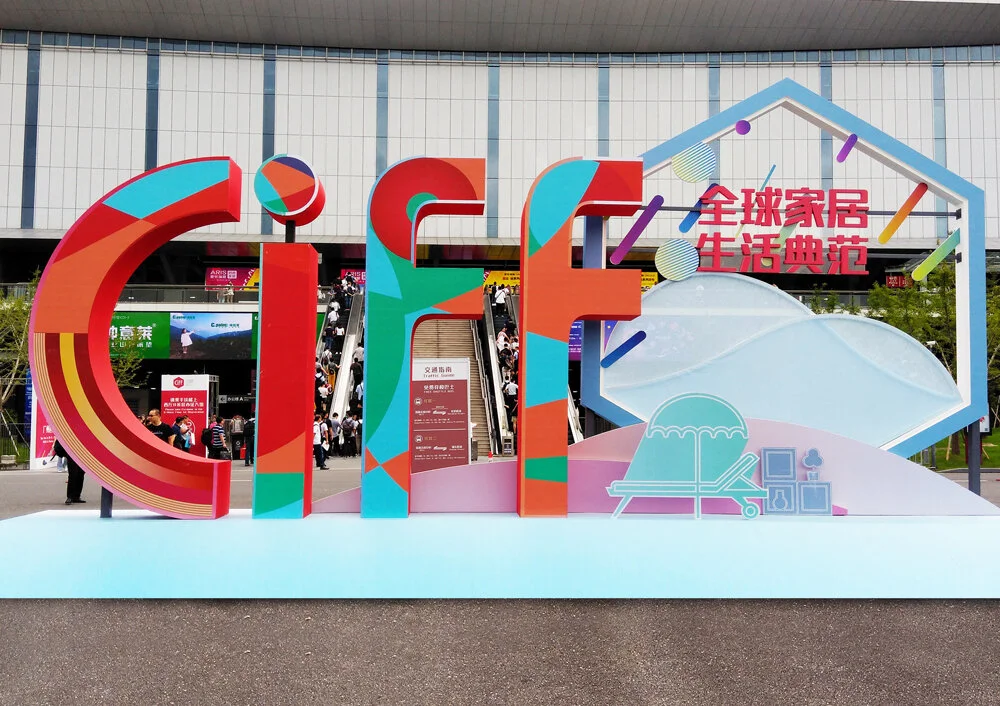
Pre-Show Preparation Checklist
- Define Objectives: Write down exactly what success looks like for this fair.
- Budget Allocation: Assign specific amounts for booth design, marketing materials, and travel.
- Target Audience Identification: Research which buyers match your product range and price points.
- Marketing Material Preparation: Finalize brochures, digital presentations, and product samples.
- Digital Campaign Launch: Start email sequences, social posts, and any paid advertising.
- Appointment Scheduling: Confirm meetings with priority buyers and potential partners.
Digital Engagement Funnel
- Awareness: Social media advertising, industry publication placements
- Interest: Targeted email campaigns, CIFF-specific landing page content
- Consideration: Product previews, virtual booth tours
- Conversion: Appointment bookings, direct inquiries
For additional guidance on securing your spot, explore our detailed information on how to 《Don’t Miss Out: Register Now for CIFF 2026 Furniture Access》.
Building a Booth That Actually Works
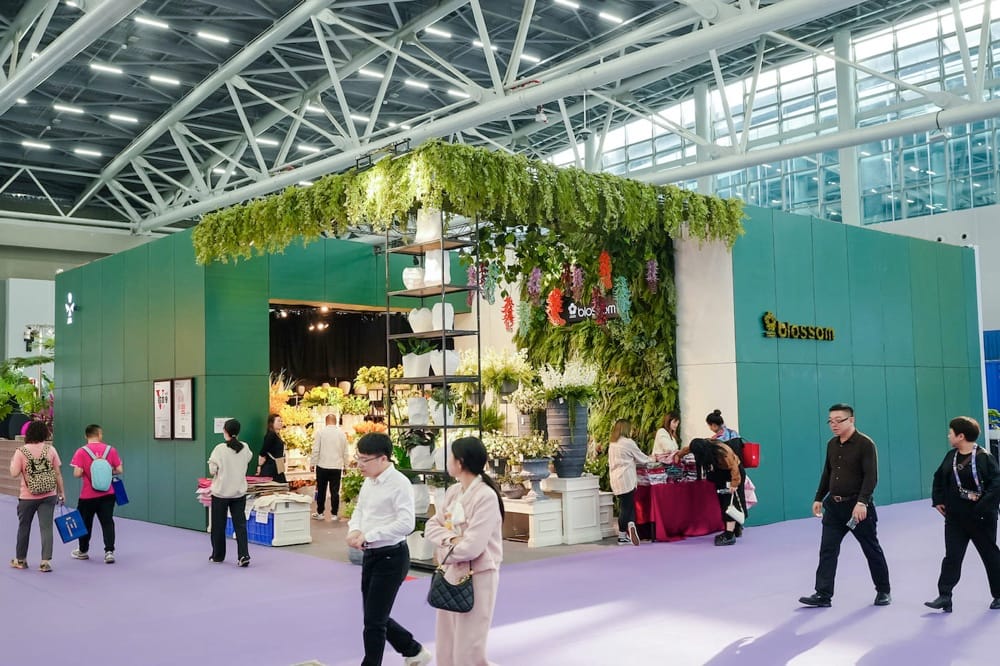
A booth at CIFF Guangzhou needs to accomplish several things at once. It has to stop people walking past. It has to communicate brand identity within seconds. And it has to function as a space where serious business conversations can happen comfortably. Balancing these demands requires thinking beyond decoration.
Interactive elements give visitors a reason to engage rather than just observe. Virtual reality tours of showrooms, product configurators that let buyers customize pieces on screen, or touchable material samples all create moments of involvement. Strategic lighting draws attention to flagship pieces without making the overall space feel like a stage set.
Sustainability has moved from nice-to-have to expected. Buyers increasingly ask about material sourcing, production methods, and environmental certifications. Incorporating eco-friendly materials into booth construction itself demonstrates commitment rather than just talking about it. Smart home furniture integration, shown through functional displays rather than static mockups, signals that a brand understands where the market is heading.
The physical layout matters more than most exhibitors realize. Clear pathways prevent bottlenecks. Comfortable seating areas allow for extended conversations without everyone standing awkwardly. Staff training ensures that anyone working the booth can articulate product features and benefits clearly, not just point at things.
Material Choices and Their Trade-offs
| Material Type | Aesthetic Impact | Environmental Impact | Durability | Cost-Effectiveness |
|---|---|---|---|---|
| Solid Wood | Classic, Warm | Moderate | High | Medium to High |
| Reclaimed Wood | Rustic, Unique | Low | High | Medium |
| Metal | Modern, Industrial | Low | High | Medium |
| Recycled Plastic | Contemporary | Very Low | Medium | Low |
| Glass | Elegant, Light | Moderate | Medium | Medium |
Making the Most of Global Trade Connections
The sheer scale of CIFF Guangzhou creates networking possibilities that smaller events simply cannot match. Over 4,900 brands and 380,000 visitors means the right connection is probably somewhere in the halls. The challenge is finding them efficiently.
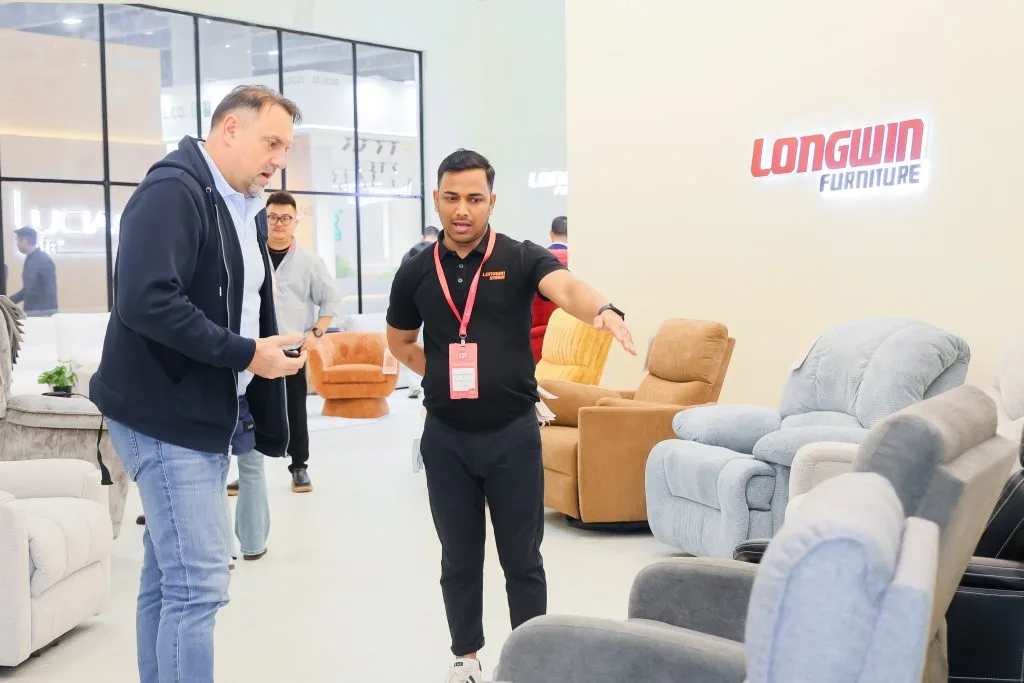
Industry forums and seminars offer structured opportunities to meet people who share specific interests. B2B matching events pair buyers with manufacturers based on product categories and business needs. These organized sessions often yield better results than random booth visits because both parties arrive with clear intentions.
Lead generation at this scale requires systems. Collecting business cards isn’t enough. Capturing comprehensive contact information along with notes about specific buyer needs, budget ranges, and timeline expectations makes follow-up far more effective. Digital tools for data capture speed up the process and reduce errors from handwritten notes.
International trade regulations vary significantly by destination market. CIFF provides resources and experts who can guide exhibitors through customs requirements, certification standards, and payment terms for different regions. Understanding these details before quoting prices or making delivery promises prevents problems later.
Observing competitors and peers provides valuable market intelligence. What materials are trending? Which price points are getting attention? How are other brands positioning similar products? These observations inform strategy for the current fair and planning for future ones.
Networking Event Types and Their Focus
| Event Type | Focus | Target Audience |
|---|---|---|
| Industry Forums | Market trends, policy changes | Senior executives, strategists |
| B2B Matching | Direct buyer-seller meetings | Buyers, manufacturers |
| Design Seminars | Innovation, aesthetic directions | Designers, product developers |
| Exhibitor Receptions | Informal networking, partnership building | All attendees |
For strategies on connecting with reliable manufacturing partners, read our guide on 《Find Reliable China Furniture Suppliers at CIFF 2026》.
What Happens After the Fair Ends
The real return on CIFF Guangzhou investment depends heavily on what happens in the weeks following the event. Leads that sit untouched lose value quickly. Within one week of the fair closing, initial contact should go out to everyone who expressed interest.
Generic follow-up emails get ignored. Personalized messages that reference specific conversations, products discussed, or questions raised demonstrate that the interaction mattered. Buyers remember when someone actually listened to what they said.
Lead prioritization prevents wasted effort. Not every contact represents equal potential. Some buyers are ready to place orders immediately. Others are researching options for next year. Some may never become customers regardless of effort. Sorting leads by potential and expressed intent focuses energy where it matters most.
Nurturing relationships over time requires consistency without becoming annoying. Detailed product catalogs, updated price lists, and custom proposals address immediate needs. Regular updates on new collections and company developments keep the brand visible. Customer relationship management systems track interactions and prevent contacts from falling through cracks.
The goal extends beyond single transactions. Long-term partnerships with distributors, retailers, and design firms generate ongoing revenue rather than one-time sales. Building these relationships requires understanding what each partner needs and delivering on promises consistently.
Staying Relevant as the Market Evolves
The furniture industry doesn’t stand still, and brands that treat CIFF Guangzhou as just a sales event miss half its value. The fair serves as a window into where the market is heading.
Sustainable materials and production methods have moved from niche concern to mainstream expectation. Buyers increasingly ask pointed questions about sourcing, certifications, and environmental impact. Brands that can answer these questions credibly gain advantage over those still treating sustainability as optional.
Smart home integration represents a significant shift in what furniture can do. Charging solutions built into tables, lighting integrated into shelving, modular designs that adapt to changing needs. These features appeal to consumers who expect their homes to work as seamlessly as their devices. CIFF’s focus on intelligent manufacturing highlights these developments.
Research and development investment separates brands that lead from those that follow. Attending specialized zones and seminars dedicated to emerging trends provides exposure to ideas that might not surface through normal channels. Collaborating with designers and technologists opens possibilities for product categories that don’t exist yet.
Building Global Presence Through Strategic Participation
CIFF Guangzhou offers access to the largest concentration of home furnishing professionals anywhere in the world. Brands that approach the fair with clear objectives, thorough preparation, and systematic follow-up consistently outperform those who simply show up and hope for the best. The combination of design trends, global trade connections, and full supply chain access creates opportunities that justify the investment when executed well.
For exhibitor inquiries or to plan your visit, contact caoxw@cfte.com or explore the official website for detailed event information.
Frequently Asked Questions
What drives strong returns for furniture brands exhibiting at CIFF Guangzhou?
Strong returns at CIFF Guangzhou come from preparation that starts months before the fair opens and follow-up that continues months after it closes. Pre-show marketing builds awareness and schedules appointments with qualified buyers. Booth design that balances visual appeal with functional meeting space maximizes time with serious prospects. Systematic lead capture and prioritization ensures that promising contacts receive appropriate attention. The fair’s scale means small improvements in conversion rates translate to significant revenue differences.
Which design directions are gaining traction in living and dining furniture at the fair?
CIFF Guangzhou consistently surfaces design directions before they reach mainstream awareness. Sustainable materials and production methods have moved from specialty interest to baseline expectation. Smart home integration, including built-in charging, integrated lighting, and modular configurations, appeals to consumers who expect technology throughout their living spaces. Multi-functional pieces that serve multiple purposes in smaller spaces address changing residential patterns. Natural materials and visible craftsmanship signal quality in ways that mass-produced alternatives cannot match.
What makes CIFF Guangzhou essential for brands pursuing international growth?
The concentration of buyers, manufacturers, and industry professionals at CIFF Guangzhou simply doesn’t exist elsewhere. Over 380,000 visitors from more than 200 countries attend the Guangzhou edition alone. This creates opportunities for international trade connections, B2B sales relationships, and market intelligence gathering that would require attending dozens of smaller events to replicate. The fair’s infrastructure for B2B matching, industry forums, and trade facilitation reduces friction in establishing cross-border partnerships.