


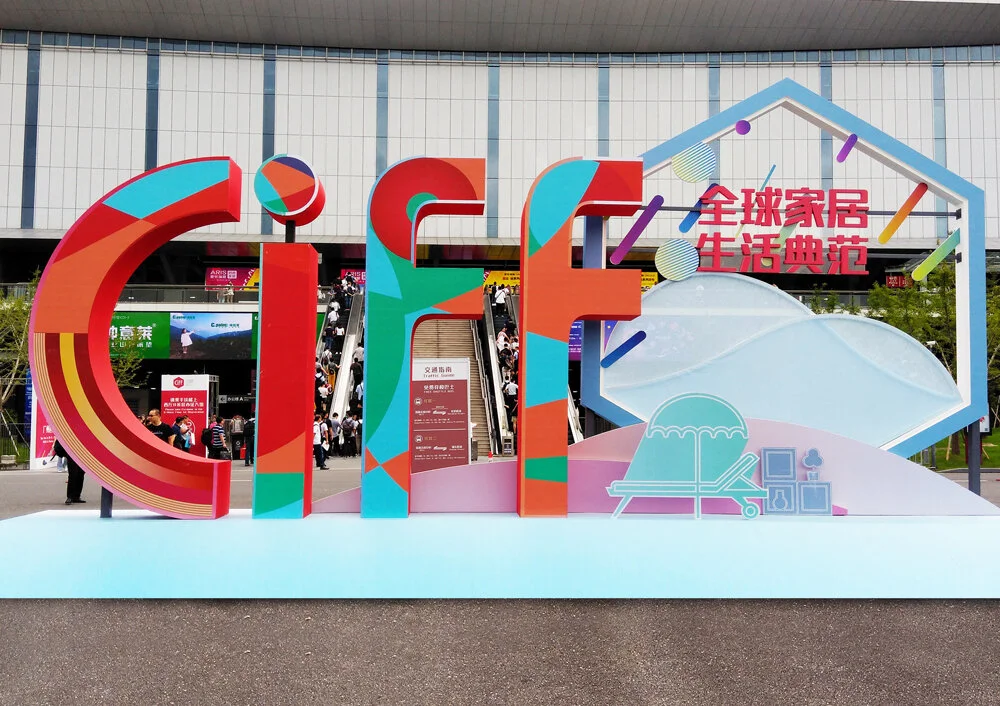
Exhibiting at CIFF puts you in front of buyers who actually make purchasing decisions for living and dining furniture. The numbers tell the story: 380,000 professional visitors from over 200 countries walking through 850,000 square meters of exhibition space. That’s not a casual shopping crowd. These are sourcing managers, retail buyers, and distributors looking for their next supplier. The challenge isn’t whether opportunities exist—it’s whether your booth captures attention in a space where hundreds of other exhibitors want the same thing.
Booth Design That Actually Stops Foot Traffic
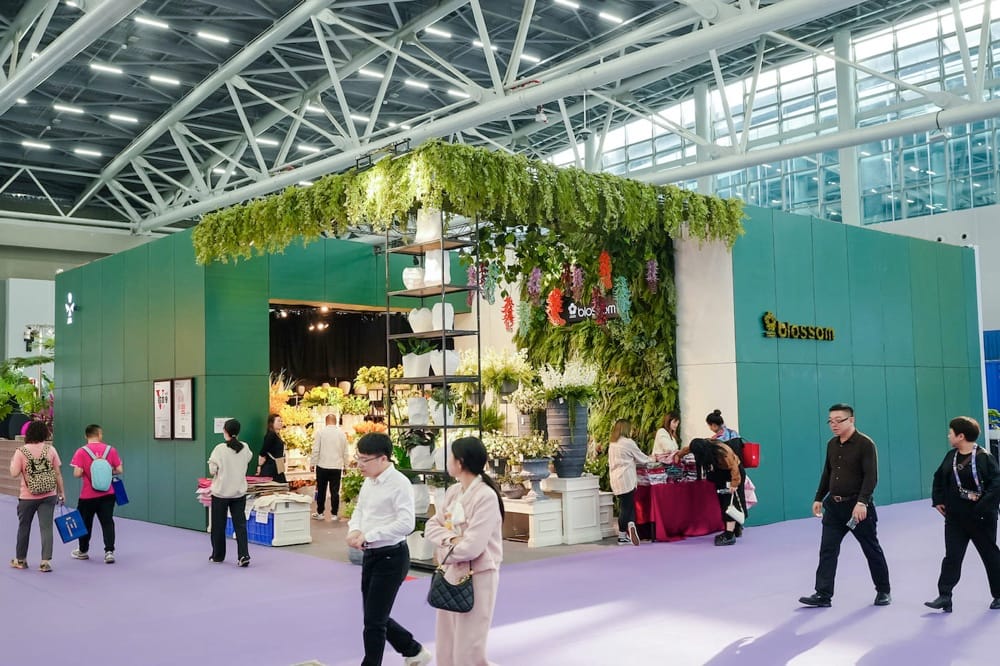
Your booth competes with thousands of others at CIFF. Strategic booth design for living room furniture display and dining room furniture presentation determines whether buyers walk past or walk in. The goal isn’t just looking good—it’s creating an environment where visitors naturally want to explore your furniture collections.
Open layouts reduce the psychological barrier to entry. When buyers can see through your space and identify clear pathways, they’re more likely to step inside. Themed zones help them self-select: someone hunting for dining sets gravitates toward that section while living room buyers find their area without confusion.
Visual merchandising at CIFF works differently than retail. Buyers aren’t impulse shopping—they’re evaluating suppliers. Feature walls showcasing flagship pieces or new releases signal what makes your collection worth their time. Strategic booth lighting does more than create ambiance; it reveals material quality, finish details, and craftsmanship that photographs can’t capture.
| Design Element | Objective | Impact on Buyers |
|---|---|---|
| Open Layout | Encourage easy entry and flow | Reduces intimidation, increases foot traffic |
| Themed Zones | Group similar living or dining collections | Simplifies browsing, aids product discovery |
| Feature Walls | Highlight flagship items or new releases | Draws attention to premium offerings |
| Interactive Areas | Allow hands-on experience with furniture | Fosters engagement, demonstrates quality |
| Strategic Lighting | Enhance product textures and colors | Creates visual appeal, sets mood |
Turning Booth Visitors Into Engaged Prospects
Getting someone to stop at your booth is step one. Converting that pause into a real conversation requires deliberate visitor engagement strategies. With 380,000 professionals moving through CIFF Guangzhou, you can’t rely on passive displays.
Interactive exhibits change the dynamic. When buyers can touch fabrics, test mechanisms, or adjust configurations, they shift from observers to participants. That physical engagement creates memory and builds confidence in product quality. Lead generation at fairs depends on these moments—people remember what they experienced, not what they glanced at.
Product storytelling creates differentiation when furniture styles overlap across exhibitors. The design philosophy behind a dining collection, the sourcing decisions for materials, the manufacturing techniques that ensure durability—these narratives give buyers reasons to choose you over competitors offering similar aesthetics.
Building Emotional Connection Through Product Narratives
Making your furniture booth stand out at a large international fair like ciff requires more than attractive displays. Buyers respond to meaning. Your product stories should connect with CIFF’s emphasis on design trends, intelligent manufacturing, and quality consumption.
Explain why a particular wood grain was selected. Describe the engineering behind a reclining mechanism. Share the design problem your team solved. This emotional connection with furniture builds trust because it demonstrates expertise and intentionality. When buyers understand the thinking behind your pieces, they perceive higher value and remember your brand after walking through dozens of other booths.
Highlighting how your collections integrate current design trends shows market awareness. Buyers want suppliers who understand where consumer preferences are heading, not just where they’ve been.
Converting Booth Conversations Into Actual Orders
The real work begins after someone expresses interest. Lead capture at CIFF requires systems that don’t lose information in the chaos of a busy exhibition day. Digital tools eliminate the handwriting-interpretation problems that plague paper-based collection methods.
Your team needs clear protocols for gathering comprehensive contact information and specific buyer requirements. A business card alone isn’t enough. What products caught their attention? What quantities are they considering? What’s their timeline? These details determine follow-up priority and approach.
Post-show follow-up separates exhibitors who generate sales conversion from those who just collected contacts. A defined timeline—when proposals go out, when samples ship, when check-in calls happen—keeps momentum alive. Buyers meet hundreds of suppliers at CIFF. The ones who follow up promptly and professionally stay top of mind.
From Booth Interaction to Signed Contract
Effective lead management aligns with CIFF’s positioning across the full supply chain. Digital lead capture systems reduce manual errors and speed up data processing. When your team returns from the exhibition, qualified leads should already be organized and prioritized.
A CRM for trade shows tracks every interaction and ensures consistent follow-through. Different team members might handle different stages, but the buyer experiences seamless communication. Exhibition data analysis after CIFF reveals patterns: which products generated the most interest, which buyer segments engaged most deeply, which messaging resonated. This intelligence refines your approach for future exhibitions and shapes product development decisions.
Using CIFF’s Global Reach for Market Expansion
CIFF functions as the world’s largest home furnishing fair with complete industry chain coverage. That positioning creates brand visibility opportunities that smaller regional shows can’t match. Exhibiting here exposes your living and dining furniture collections to buyers from over 200 countries and regions simultaneously.
Market penetration strategies benefit from this concentration. Rather than pursuing buyers country by country, you meet them in one location over a few days. Direct engagement with global furnishing industry professionals accelerates relationship building that might otherwise take years of individual outreach.
Sustainability as a Competitive Differentiator
Environmental considerations increasingly influence purchasing decisions. Integrating sustainable practices into your furniture display aligns with CIFF’s design trend focus and captures attention from eco-conscious buyers.
Sustainable design principles show up in material choices, manufacturing processes, and even booth construction. Eco-friendly furniture display approaches—using recyclable materials, minimizing waste, highlighting certifications—attract buyers whose retailers demand environmental credentials. Green exhibition practices enhance brand reputation beyond the immediate sales opportunity, positioning you favorably for markets where sustainability requirements are tightening.
Frequently Asked Questions
How can I ensure my living and dining furniture appeals to a global audience at CIFF?
Universal design principles provide the foundation—clean lines, quality materials, functional innovation translate across markets. Regional preferences matter for specific details, but the core appeal should work broadly. Clear product specifications and relevant certifications remove ambiguity for international buyers evaluating suppliers. Multilingual staff or translation services eliminate communication barriers that otherwise cost you qualified leads.
What are the most effective ways to capture leads and follow up after CIFF?
Digital capture tools like QR codes or dedicated apps collect information faster and more accurately than paper forms. The critical factor is personalization in follow-up. Generic emails disappear into crowded inboxes. Communications referencing specific products discussed, particular requirements mentioned, or questions raised at the booth demonstrate attention and professionalism. Prioritize leads by potential value and establish clear timelines for proposals, samples, and additional information.
Are there specific design principles for showcasing living and dining furniture effectively?
Vignettes simulating real-life settings help buyers visualize furniture in actual spaces rather than as isolated objects. Lighting reveals textures and finishes that flat exhibition lighting obscures. Adequate space between pieces allows comfortable interaction—cramped displays discourage the hands-on exploration that builds purchase confidence. Technology additions like virtual tours or product configurators can extend engagement for buyers who want deeper exploration without occupying physical samples.
Connect with CIFF Experts
Ready to strengthen your brand’s presence and connect with global buyers at ciff? Our team supports exhibitors in booth design, engagement strategies, and maximizing exhibition ROI. We help you navigate opportunities at ciff guangzhou and achieve your business objectives. Contact us at caoxw@cfte.com to start planning.