


Smart furniture is one of those categories where the gap between “interesting concept” and “actual purchase order” can be surprisingly wide. I’ve watched buyers at major trade fairs spend twenty minutes genuinely fascinated by a connected sofa’s features, then walk away without exchanging business cards. The technology impressed them. The business case didn’t land. CIFF Guangzhou changes that equation—not because it’s big (though 380,000 professional visitors from over 200 countries certainly qualifies), but because it concentrates the exact decision-makers who can move smart furniture from showroom curiosity to container shipment. The fair’s structure, spanning the entire home furnishing industry chain, means your connected bedroom system can be evaluated by the retailer, the hospitality procurement manager, and the interior design firm all in the same week.
Booth Design That Actually Moves Smart Furniture
The challenge with smart furniture at any trade fair is that static displays kill the product category. A motorized desk that sits motionless looks like any other desk. A connected lighting system that stays at one setting communicates nothing about its value. CIFF Guangzhou booth design for smart furniture needs to solve this fundamental problem: your products only make sense when they’re doing something.
We approach this by mapping visitor flow against demonstration cycles. If your signature piece needs 90 seconds to show its full capability, the booth layout should naturally hold attention for that duration without creating bottlenecks. Sight lines matter—buyers walking the aisle should see movement, light changes, or physical transformation happening in real time. CIFF’s “Design Trend” positioning gives exhibitors permission to be theatrical in ways that more conservative trade environments might discourage.
Building Experiences Buyers Remember
The most effective smart furniture demonstrations at CIFF Guangzhou share a common trait: they let visitors discover features rather than just observe them. Handing someone a tablet to control a reclining sofa creates a different memory than watching a sales rep do it. That moment of personal control—watching the furniture respond to their input—shifts the mental framing from “interesting product” to “something I could sell.”
Augmented reality applications have matured enough to be genuinely useful here. A buyer evaluating a smart bed system for a hotel chain can visualize it in their actual property layouts, not just your staged bedroom vignette. The technology removes a cognitive step from the purchasing decision. Interface design matters enormously in these demonstrations. If a visitor struggles with your app for even thirty seconds, you’ve lost them—and probably confirmed whatever skepticism they brought about smart furniture complexity.
Creating Momentum Before the Fair Opens
The buyers who matter most at CIFF Guangzhou often have their schedules mapped before they arrive. Waiting until the fair opens to compete for their attention means competing against every other exhibitor simultaneously. Pre-show marketing for smart furniture brands works best when it’s specific rather than promotional. A targeted email explaining exactly which new IoT furniture applications you’re demonstrating—and why they solve problems the recipient actually faces—outperforms generic “visit our booth” messaging by a significant margin.
Social media engagement around CIFF Guangzhou builds differently than standard product marketing. The audience is professional buyers researching their fair strategy, not consumers browsing for inspiration. Content that helps them plan their visit—floor maps with your booth highlighted, demonstration schedules, staff availability for specific language needs—creates practical value that generic brand content doesn’t.
Smart Furniture Innovation Worth Showcasing
CIFF Guangzhou’s dual positioning around “Design Trend” and “Intelligent Manufacturing” creates natural framing for smart furniture launches. The fair’s audience expects to see what’s next, not just what’s currently shipping. This environment rewards exhibitors who can articulate where connected home technology is heading and how their products fit that trajectory.
Smart Furniture Trends Shaping 2024 Decisions
The smart furniture market trends gaining traction this year reflect a shift from novelty toward genuine utility. AI in furniture design has moved beyond voice control gimmicks into predictive adjustment—chairs that learn posture preferences, beds that modify firmness based on sleep patterns. These applications solve real problems rather than just adding connectivity for its own sake.
| Trend Category | Key Features | Market Impact |
|---|---|---|
| Integrated AI | Voice control, predictive adjustments | Enhanced user convenience, personalized comfort |
| IoT Connectivity | Seamless device synchronization, remote control | Smart home ecosystem integration, energy efficiency |
| Ergonomic Design | Automated posture correction, adaptive support | Improved health and wellness, increased productivity |
| Sustainable Materials | Recycled components, energy-efficient operation | Eco-conscious consumer appeal, reduced environmental footprint |
| Modular & Flexible | Reconfigurable designs, multi-functional use | Space optimization, adaptability to changing needs |
Ergonomic smart furniture has found particularly strong demand in contract markets—corporate offices investing in employee wellness, healthcare facilities seeking adjustable patient room solutions. The personalized furniture solutions category continues expanding as manufacturing flexibility improves, allowing smaller batch customization without prohibitive cost premiums.
Where Sustainability Meets Smart Technology
The intersection of sustainability in smart furniture and advanced functionality represents genuine market opportunity rather than just marketing positioning. Buyers increasingly ask about lifecycle considerations: How long will the electronics remain supported? Can components be replaced rather than requiring full unit replacement? What happens to the smart elements at end of life?
Circular economy furniture models that address these questions directly—modular designs allowing technology upgrades, recycled materials in non-electronic components, energy-efficient operation reducing long-term environmental impact—resonate with procurement teams facing sustainability mandates. Smart materials that reduce energy consumption or extend product lifespan create quantifiable value propositions beyond the initial feature set.
Reaching International Buyers Effectively
CIFF Guangzhou’s geographic diversity creates both opportunity and complexity for smart furniture exhibitors. The buyer evaluating products for the German market has different regulatory concerns, aesthetic preferences, and price expectations than one sourcing for Southeast Asian hospitality projects. Effective lead generation at trade shows requires recognizing these differences before conversations begin.
Smart Furniture Booth Design That Works
The practical question of how to design an engaging smart furniture booth comes down to balancing demonstration capability with conversation space. Buyers need to see products function, but they also need somewhere to sit and discuss specifications, pricing, and logistics without shouting over demonstration noise.
Smart furniture display ideas that work at CIFF Guangzhou typically separate high-energy demonstration zones from quieter consultation areas. Booth staff training should cover not just product knowledge but reading buyer signals—recognizing when someone wants to watch versus when they’re ready to talk business. Interactive product presentation tools work best when they’re intuitive enough that visitors can explore independently, freeing staff to engage with serious prospects.
Communicating Complex Products Clearly
The value proposition smart furniture offers often involves benefits that unfold over time—health improvements from ergonomic adjustment, energy savings from intelligent power management, convenience gains from connected ecosystem integration. Communicating these effectively to buyers who may spend only ten minutes at your booth requires disciplined messaging.
Technical demonstration tips for smart furniture focus on outcomes rather than mechanisms. A buyer doesn’t need to understand the sensor array in your smart mattress; they need to understand that their hotel guests will sleep better and leave better reviews. The benefits of smart home tech land most effectively when translated into the buyer’s specific context—retail margins, hospitality guest satisfaction scores, corporate wellness metrics.
Building Business Beyond the Fair
The real work of converting CIFF Guangzhou presence into revenue happens after the fair closes. Post-show follow-up strategies determine whether those promising booth conversations become purchase orders or just pleasant memories.
What CIFF Guangzhou Offers Smart Furniture Brands
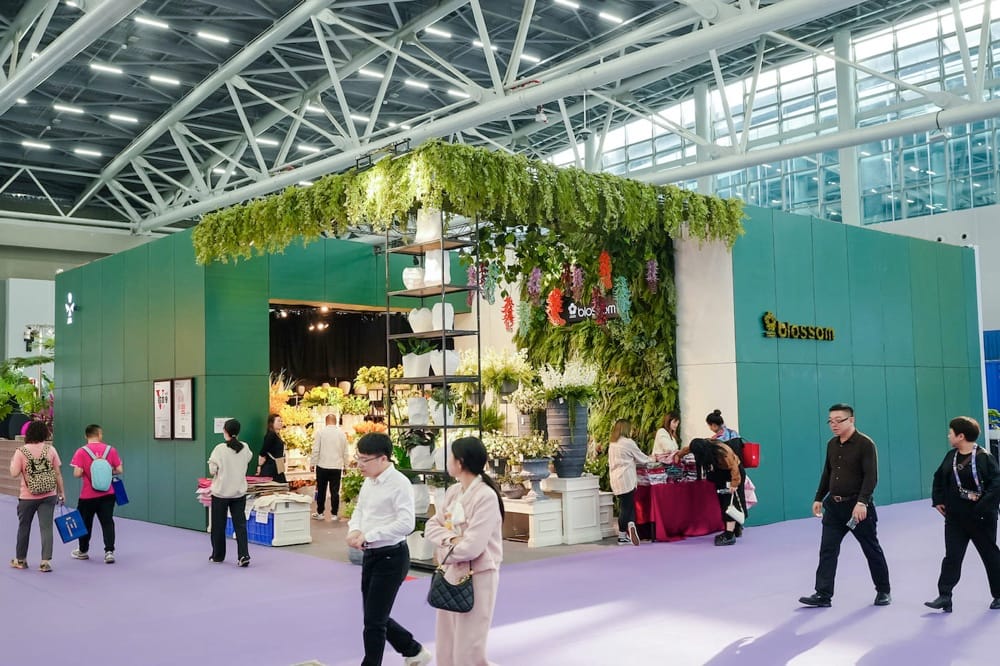
ciff guangzhou provides access to the global furniture market at a scale no other single event matches. The concentration of professional buyers—retailers, designers, hospitality procurement, contract furniture specialists—creates efficiency that months of individual outreach couldn’t replicate. Industry networking at CIFF connects exhibitors not just with buyers but with potential manufacturing partners, technology collaborators, and distribution channels.
The fair’s design trend platform positioning means buyers arrive expecting innovation. They’re mentally prepared to evaluate new categories and unfamiliar technologies in ways they might not be during routine purchasing cycles. For smart furniture brands, this openness to novelty represents significant advantage.
Moving From Conversation to Contract
Converting leads from CIFF Guangzhou requires speed and specificity. The buyer who seemed enthusiastic at your booth is having similar conversations with competitors. Prompt follow-up—within 48 hours of the fair closing—keeps your products top of mind during the evaluation period.
Sales funnel optimization for trade show leads differs from standard marketing funnels. These contacts have already seen your products and expressed interest; they don’t need nurturing content designed for cold prospects. They need proposals, specifications, pricing, and answers to the specific questions they raised during your conversation. Customer relationship management systems that capture booth conversation notes enable this personalized follow-up at scale.
International trade agreements and compliance requirements often surface during post-show negotiations. Buyers need assurance that your smart furniture meets regulatory standards in their target markets, that documentation supports customs clearance, that warranty and service arrangements work across borders.
Frequently Asked Questions for CIFF Exhibitors
What makes a smart furniture product launch successful at a major fair like CIFF?
Success at CIFF Guangzhou comes from alignment between product capability and buyer needs. The smart furniture brands that generate serious orders typically combine genuinely useful innovation with clear commercial positioning—not just “this is what our product does” but “this is how it improves your business.” Interactive demonstrations that let buyers experience the technology directly, combined with staff who can pivot from feature explanation to commercial discussion, create the conditions for productive conversations.
How can exhibitors effectively capture the attention of international buyers for smart home products?
International buyers at CIFF Guangzhou respond to relevance over spectacle. Understanding which markets your products fit best—and communicating that fit clearly—matters more than generic appeals to innovation. Multilingual materials and staff help, but substantive preparation helps more. Knowing the regulatory environment, competitive landscape, and price expectations in a buyer’s home market signals that you’re a serious potential partner rather than just another exhibitor hoping for interest.
What are the most effective post-show strategies for converting CIFF leads into sales?
The exhibitors who convert CIFF leads most effectively treat follow-up as continuation rather than restart. They reference specific booth conversations, address questions that were raised, and provide exactly the information each buyer requested. CRM systems that capture conversation details enable this personalization at scale. Consistent communication over the weeks following the fair—providing additional product information, case studies from similar applications, answers to technical questions—maintains momentum through what can be lengthy international procurement cycles.
Elevate your brand’s presence and unlock unparalleled global opportunities at the China International Furniture Fair. Connect with our team to explore tailored exhibition solutions and secure your strategic position at the forefront of the smart home furniture revolution. Contact caoxw@cfte.com for partnership inquiries and detailed exhibitor information.