


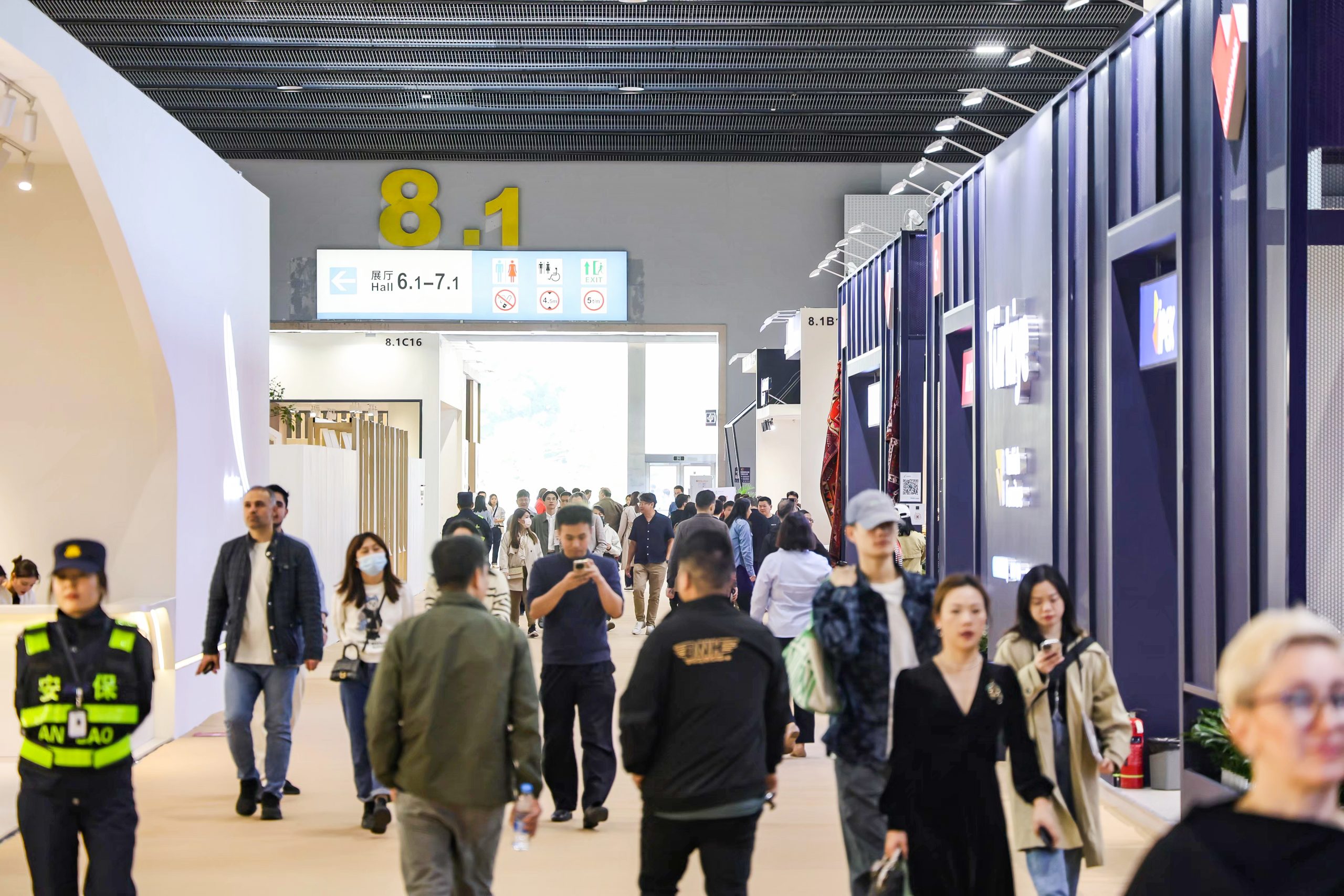
For emerging home furnishing brands, leveraging CIFF (China International Furniture Fair) for market expansion is one of the most efficient strategies to penetrate global markets.
Far more than a mere trading platform, CIFF serves as a core credibility endorsement hub for Chinese home brands going global. Overseas purchasers and distributors routinely evaluate Chinese manufacturers and emerging brands based on their CIFF exhibition credentials, booth specifications, and on-site display capabilities when selecting cooperative partners.
Exhibiting at CIFF is equivalent to opening a flagship store in the world’s premier high-end home furnishing business district. Backed by the fair’s authoritative industry reputation, brands gain direct access to high-quality global buyers and precise international resources without proactive cold outreach.
That said, emerging home brands cannot achieve successful market entry through blind product display. A phased, well-structured exhibition strategy is essential to maximize CIFF’s value and capture market opportunities.
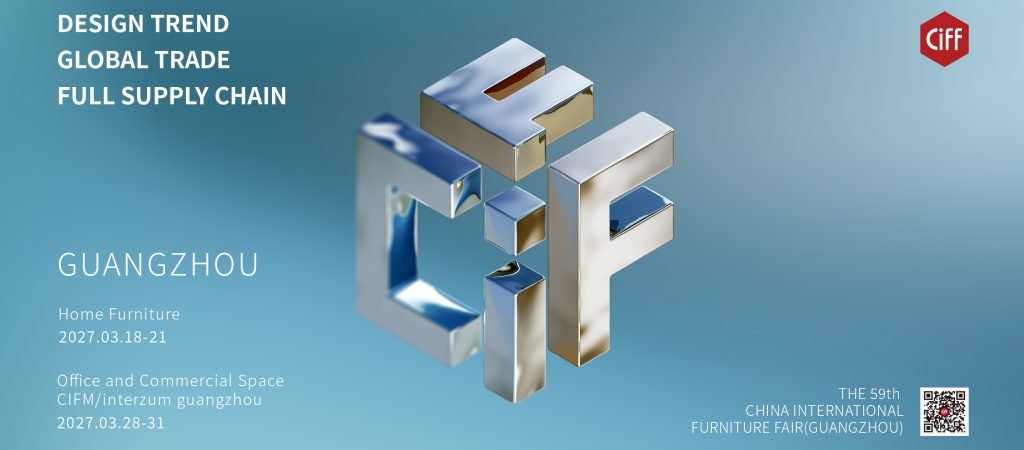
REGISTER NOW For FREE! :https://www.cifffurniturefair.com/the-57th-china-international-furniture-fair-guangzhou/
1. Highlight Brand Positioning Over Single-Product Display
Amid thousands of exhibitors at CIFF, brands that only display isolated furniture pieces such as tables and chairs leave no distinctive impression and are easily overlooked by buyers. It is critical to fully showcase your brand’s core identity and values throughout the booth space.
Instead of showcasing hundreds of individual furniture items, create three visually striking core lifestyle scenarios. For example, if your core product is ergonomic office chairs targeted at young professional singles, design a dynamic esports lifestyle zone. The ultimate goal is to capture visitors’ attention within three seconds and clearly communicate your brand’s target audience and market positioning.
Additionally, feature one or two flagship products with standout differentiation in design, materials, or functionality as your booth’s traffic anchors. For instance, a floating bed equipped with exclusive concealed hardware can instantly highlight your product advantages over homogeneous alternatives and spark buyers’ curiosity.
2. Targeted Strategies for Different Market Goals
Exhibition tactics should be tailored precisely to brands’ market expansion objectives.
Goal 1: Domestic Market Expansion
Booth Location: Secure a booth in Zone A (Design & High-End Custom Pavilion), the core area exclusively visited by top domestic distributors and mall investment directors across China.
Core Strategy: Prioritize the demonstration of your channel empowerment system beyond aesthetic booth design. Equip the negotiation area with comprehensive dealership policies, including free store VI design, tiered renovation subsidies, exclusive discounts for initial sample orders, and annual rebate schemes. Supplement these benefits with a proprietary brand training academy covering in-store sales techniques, soft furnishing matching, and client negotiation skills. Meanwhile, showcase official support mechanisms including corporate online traffic diversion, city-based precise order allocation, and short-video marketing empowerment, enabling distributors to clearly visualize profitable and sustainable business prospects.
Goal 2: International B2B Market Expansion
Booth Location: Select Zone C (Export Mass Merchandise Pavilion), the priority destination for professional buyers and purchasing delegations from Europe, America, Southeast Asia, and the Middle East.
Core Strategy: International buyers operate on tight schedules and prioritize efficiency. Adopt a minimalist, professional booth design, and build a dedicated visual wall displaying core technical specifications and globally recognized compliance certifications, including FSC forest certification, California 117 fire resistance standard, and EPA environmental certification.
Business Preparation: Compile a standardized foreign trade quotation manual with clear details, including FOB/CIF prices corresponding to different MOQs, per-piece packaging volume (CBM), standard container loading capacity, and loading efficiency data. Prepare complete English RTA (Ready-to-Assemble) installation manuals, full product quality inspection reports, and professional sea freight packaging specifications to streamline buyer communication and accelerate decision-making.
3. Full-Cycle Exhibition Marketing Strategy
30 Days Before the Exhibition: Pre-Event Teaser & Targeted Invitation
Launch pre-exhibition teasers across social media platforms one month in advance. Release partial new product design previews and conceptual short films to build anticipation and maintain brand mystery among prospective audiences.
Send exclusive invitations to potential clients sourced from exhibitor directories and brand private domain resources, with premium perks such as on-site VIP lounge vouchers and new product launch admission tickets. Schedule and lock in key client meetings for the first two days of the exhibition to secure high-quality negotiation opportunities.
4 Days During the Exhibition: On-Site Exposure & Brand Virality
Conduct continuous on-site booth livestreams, new product unboxing sessions, and brand exclusive interviews throughout the exhibition. Invite mainstream home furnishing vertical media, design influencers, and overseas business media for on-site coverage and feature reports to sustain high-volume brand content output.
Launch premium customized brand peripherals, including designer eco-friendly tote bags, original brand catalogs, and bespoke coffee, available for all on-site visitors and business partners. Branded items circulating across the entire exhibition venue serve as free mobile advertising, drastically boosting overall brand visibility.
Case Reference: During CIFF exhibitions, Henglin Home collaborates with multiple home design influencers for on-site product testing, unboxing, and scenario evaluation. Combined with customized peripheral marketing, its booth maintains continuous high traffic, attracting abundant distributor cooperation inquiries while greatly enhancing global product exposure.
14 Days After the Exhibition: Lead Classification & Precise Follow-Up
Categorize all collected business cards and intent forms into A/B/C tiered lead pools within 3 days post-exhibition, and implement differentiated follow-up strategies:
- Potential Distributors: Follow up within one week with detailed terms of exclusive regional agency protection policies and settlement support.
- Overseas Buyers: Send formal documents including sample delivery procedures and sea freight scheduling timelines.
- Media & Design Partners: Share high-definition product and lifestyle space images to support case compilation and media publication.
Core Insight
CIFF represents an unparalleled brand marketing opportunity. Brands without clear differentiated positioning will only expose their market shortcomings through exhibition participation. In contrast, brands with precise market positioning and distinctive social brand labels can leverage CIFF to rapidly popularize their brand identities and achieve overnight global market recognition.
References
[1] Official Global Investment White Paper of China International Furniture Fair (CIFF)
[2] 2026–2027 Global Furniture Trade & Supply Chain Going Global Trend Report
[3] Modern Exhibition Marketing & Funnel-Based Investment Promotion Practical Guide
[4] EU CBAM & Green Trade Barrier Response Guidelines for the Furniture Industry
[5] Investor Relations Records & CIFF Exhibition Case Analysis, Henglin Home Furnishing Co., Ltd.