


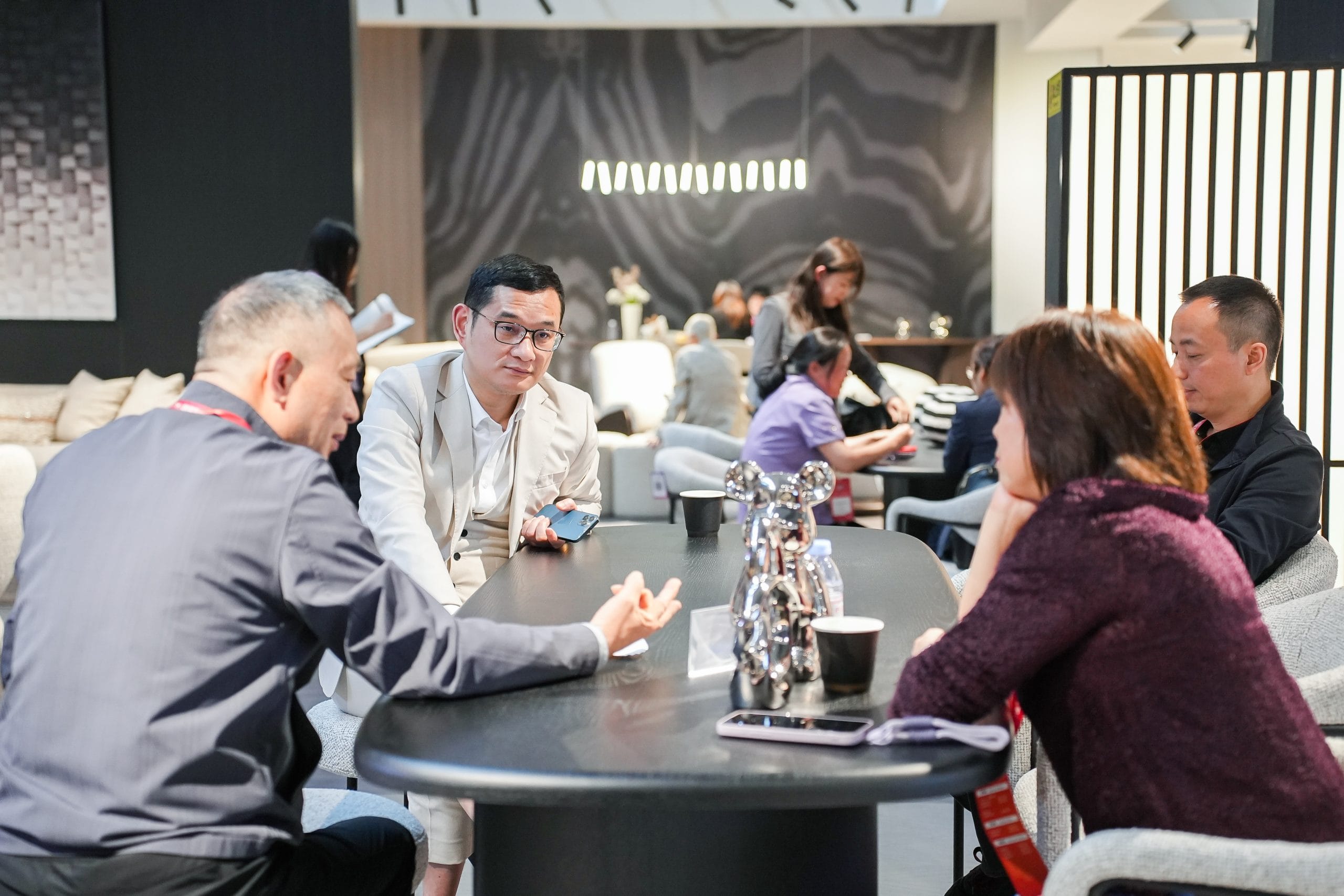
For cross-border brand operators, mid-to-large importers and independent designers, identifying original Chinese furniture manufacturers that align with their market positioning requires a solid grasp of the unique strengths of each domestic industrial cluster.
While Chinese furniture is widely recognized for competitive pricing and consistent quality, its manufacturing landscape is far from monolithic—it consists of highly specialized, tightly integrated industrial clusters.
This guide breaks down China’s three core furniture manufacturing hubs for 2026 and offers actionable sourcing advice for international buyers.

REGISTER NOW For FREE! :https://www.cifffurniturefair.com/the-57th-china-international-furniture-fair-guangzhou/
I. Market Positioning of China’s Three Major Furniture Industrial Clusters
1. Pearl River Delta Hub: Centered on Shunde Longjiang & Lecong, Foshan, Guangdong
Key Traits: Global furniture manufacturing powerhouse; premium Italian minimalist designs; full-house custom furniture; design-driven ODM production
Core Advantages:
The Pearl River Delta boasts the world’s most complete upstream and downstream furniture supply chain, covering premium leather, sintered stone, natural marble, precision hardware and more. All component suppliers can be found within a 20-kilometer radius. This ecosystem is home to China’s top roster of original furniture manufacturers, including Man Wah, KUKA and Federal Furniture.
Ideal Buyers: Mid-to-high-end furniture brands, interior designer distributors, and importers specializing in premium home furnishings
A local upholstery factory in Foshan serving Wayfair streamlines production via MTS (Make-to-Stock) standardized manufacturing for sofa frames, spring hardware and foam cushions. When overseas designers place orders, the facility only cuts and upholsters bespoke fabrics selected by buyers under an ATO (Assemble-to-Order) model. This setup lowers the minimum order quantity (MOQ) to just 20 units for initial production runs. With core structural components kept in stock, the factory can fulfill bulk repeat orders of hundreds of pieces and ship them within 14 days once a product proves popular in overseas markets.
MOQ Overview: Flexible minimum order thresholds; bespoke full-house customization available, though unit prices run higher compared to other Chinese manufacturing zones.
2. Ganzhou Hub: Centered on Nankang, Jiangxi Province
Key Traits: Solid wood furniture manufacturing base; ultra-cost-effective production; source of top-selling flat-pack furniture for cross-border e-commerce
Core Advantages:
Widespread industrial automation and scaled production have drastically cut manufacturing costs for solid wood furniture in Ganzhou, particularly Nankang. Factories here optimize production for pine, rubberwood and red oak furniture, making this region the primary supplier of RTA (Ready-to-Assemble) flat-pack furniture sold on Amazon and Wayfair.
Ideal Buyers: Volume-focused cross-border e-commerce merchants and mass-market retail chains
A leading cross-border supplier in Nankang leverages CNC machining centers to produce fully modular, flat-pack solid wood bed frames, dining tables and chairs. The region’s shared intelligent raw material processing hubs allow factories to maintain inventory only of standard-sized rubberwood and red oak panels.
Operational Edge for Amazon Sellers:
Suppliers accept trial FCL partial shipments starting at 50 sets. When product demand surges on marketplaces, CNC equipment enables seamless production line switching, with full 40HQ container loads of flat-pack furniture ready for delivery within 21 days.
MOQ Overview: Higher minimum order requirements for bulk imports, typically container-based (FCL) to minimize per-unit production costs.
3. Yangtze River Delta Hub: Centered on Anji, Hangzhou & Haining (Zhejiang), plus Jiangsu Province
Key Traits: World’s largest office chair production zone; upholstered furniture; multi-functional sofas; commercial contract furniture
Core Advantages:
Anji ranks as the globe’s top manufacturing base for office chairs, while Haining and Shaoxing hold cost and R&D advantages in fabric upholstery sofas and multi-functional accent chairs. All products comply with Western office furniture safety standards including ANSI/BIFMA.
Ideal Buyers: Commercial furniture contractors, commercial space designers, and cross-border e-commerce brands selling functional furniture categories
Leading ODM office chair manufacturers in Anji standardize production around four interchangeable modules: gas lifts, chair bases, metal legs and mesh backrests. Even mid-sized international importers requesting custom contract furniture variants only require minor tweaks to backrest contours or armrests—pre-certified ANSI/BIFMA gas lifts and chair bases remain unchanged. This modular system drastically reduces warehousing inventory pressure for overseas sellers.
II. Key Evaluation Criteria for International Buyers Sourcing Original Chinese Furniture Brands in 2026
1. Manufacturing Qualifications & International Environmental Compliance Barriers
International buyers, especially those targeting North American and European markets, face increasingly stringent environmental regulatory requirements.
Critical Verification Checkpoints:
- Does the supplier hold valid FSC (Forest Stewardship Council) chain-of-custody certification?
- For North American sales: Are wood panels certified compliant with CARB P2 or EPA formaldehyde emission standards?
- For premium market buyers: Is GREENGUARD Gold certification available?
Buyer Caution:
Many small and mid-sized factories borrow certificates from peer manufacturers or trading companies. Always cross-check that the legal entity name listed on test reports matches the factory’s business license and official shipping entity.
2. Design & DFM (Design for Manufacturing) Engineering Capabilities
Top-tier original private-label Chinese furniture factories deliver robust ODM (Original Design Manufacturer) capabilities.
Critical Verification Checkpoints:
- Does the factory operate an in-house dedicated R&D team?
- Can their design team adapt products to align with regional living habits of target markets?
(Example: U.S. consumers favor oversized, enveloping sofas; Japanese buyers prefer compact, multi-functional storage furniture.)
Engineering Competency Benchmark:
Elite manufacturers convert intricate designer renderings into modular flat-pack structures optimized for ocean freight container shipping.
3. Flexible Supply Chain Capacity
Critical Verification Checkpoints:
Evaluate whether the factory supports agile small-batch production. Confirm they can fulfill initial trial orders of 20–50 units to test market response, plus ramp up production for full repeat shipments within 15–21 days once a product gains traction.
References
- Industrial Cluster Accreditation: Directory of Key Demonstration Industrial Clusters in China’s Furniture Industry issued by the China National Furniture Association (CNFA), covering Shunde Foshan, Nankang Jiangxi and Anji Zhejiang.
- Legal Timber Sourcing: FSC (Forest Stewardship Council) international Chain of Custody certification protocols.
- North American Environmental & Formaldehyde Regulations: U.S. EPA TSCA Title VI and California CARB P2 composite wood product formaldehyde emission limits.
- Indoor Air Quality & Commercial Furniture Safety: UL GREENGUARD Gold certification standards; ANSI/BIFMA X5.1–X5.11 commercial office furniture safety testing specifications.
- E-Commerce Compliance & Packaging Testing: Official seller compliance guidelines for large furniture listings on Amazon Global Selling and Wayfair; ISTA 3A / 6-Amazon international damage-prevention packaging testing standards.