


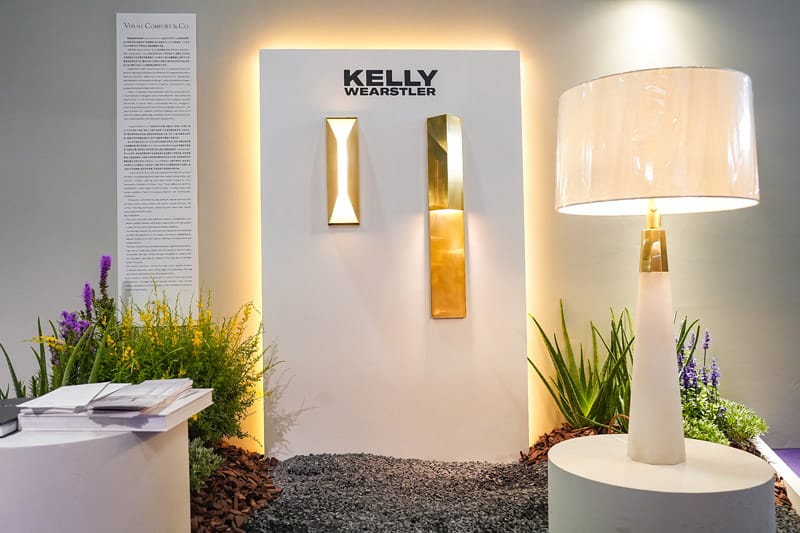
As new-generation consumers increasingly prioritize health and psychological healing, biophilic design has emerged as a defining theme across major furniture exhibitions.
Heading into 2027, furniture designers have keenly captured this consumer shift: it is no longer about stacking basic functional modules, but about seamlessly weaving natural elements into interior spaces. I once witnessed a failed showroom design where an exhibitor, attempting to force a forest aesthetic, crammed massive, chaotic potted plants right in front of a TV wall and covered an entire surface with cheap plastic artificial turf. Not only was it a dust magnet that looked entirely low-end, but it completely shattered the modern industrial texture of the space, while the haphazard placement of oversized plants severely obstructed traffic flow and natural light.
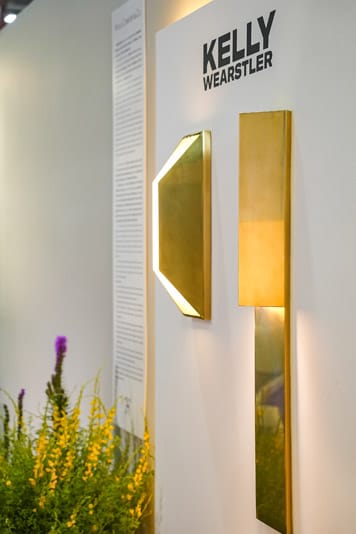
While we cannot live in the wild, we can bring nature indoors to elevate our quality of life. Imagine coming home after a long workday to an apartment infused with natural elements—how instantly uplifting that feels.
Moreover, this isn’t about forcibly dragging raw natural objects indoors; it’s about integrating them with nuance and sophistication so the environment feels intentionally designed rather than jarring.
I. Why We Need Ultimate Biophilic Design in 2027
By 2027, people will increasingly feel the fatigue of hyper-digitalized living, triggering an acute “nature deprivation” that inevitably forces natural elements back into the home. Industry trend reports for 2027 indicate that consumer expectations for interior spaces have reached a new tier.
- Multi-Sensory Healing: True biophilic design goes far beyond visual greenery; it is a holistic sensory experience encompassing touch and scent. I once saw an exhibitor embed natural aromatic woods, such as Hinoki cypress, directly into solid wood entryway cabinetry, and even integrate hidden essential oil diffuser slots inside a shoe-changing bench. The moment you push open the door after work to change your shoes, a subtle forest fragrance naturally fills the air.
- Honesty and Material Return: Rejecting the cold, sterile feel of mass production, people yearn to touch materials bearing the marks of time. For instance, using natural terrazzo but shaping its edges into the warm, rounded curves of a river stone. It preserves natural textures while offering the tactile smoothness and cool touch of stone, perfectly blending the essence of the outdoors into a cozy home. Touching it feels like touching nature itself.
- Symbiosis Between Humans and Nature: For example, you might place a dedicated herb-growing station right beside your bay window. It serves not only as a plant stand, but its base is engineered with an automatic capillary watering and circulation system.
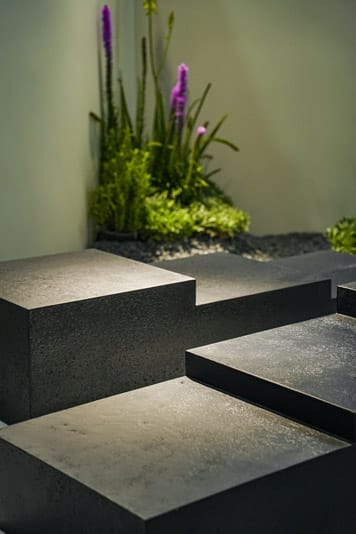
II. Four Core Trends in 2027 Biophilic Furniture Design
1. Organic Forms and Fluid Lines
Nature rarely features absolute right angles, favoring curves and irregular shapes instead. Sofas, coffee tables, dining tables, and storage units in 2027 heavily feature fluid contours that mimic growing tree roots, weathered river stones, or ocean waves.
2. Raw and Honored Materials
The utilization of wood grains, natural stone, woven rattan, and terracotta reaches new heights in 2027. Designers refine the structural details of furniture while deliberately preserving natural wood knots, micro-fissures, or stone veining, creating profound artistic elegance.
3. Integration of Micro-Ecosystems and Furniture
By 2027, designers are directly embedding plant troughs, dedicated green pockets, and even hydroponic circulation systems right into furniture architecture. Examples include sideboards with built-in botanical lighting and dining tables featuring micro-landscapes inlaid right into the center.
4. Light, Shadow, and Material “Breathability”
Certain biophilic furniture pieces mimic the dappled play and diffuse reflections of natural light. Translucent rattan mesh, micro-porous ceramics, and semi-transparent recycled glass are extensively used for cabinet doors and room dividers.
III. How to Practice Biophilic Aesthetics in Everyday Living
- Minimize heavily carved wood-composite furniture to declutter the space and create breathing room for honest natural materials.
- Choose wood-finished furniture treated with open-pore natural lacquers, allowing every touch to convey the authentic warmth of timber.
- Layer in low-saturation earth tones such as moss green, earthy brown, and sandstone gray.
Conclusion
Biophilic design in 2027 is, at its core, a profound awakening of what it means to “come home.” When we settle among furniture inspired by natural organic forms and vibrant living greenery, our restless minds finally settle. The home is no longer just a concrete shelter in a steel city, but a sanctuary of the soul that bridges the earth and anchors our daily lives.