


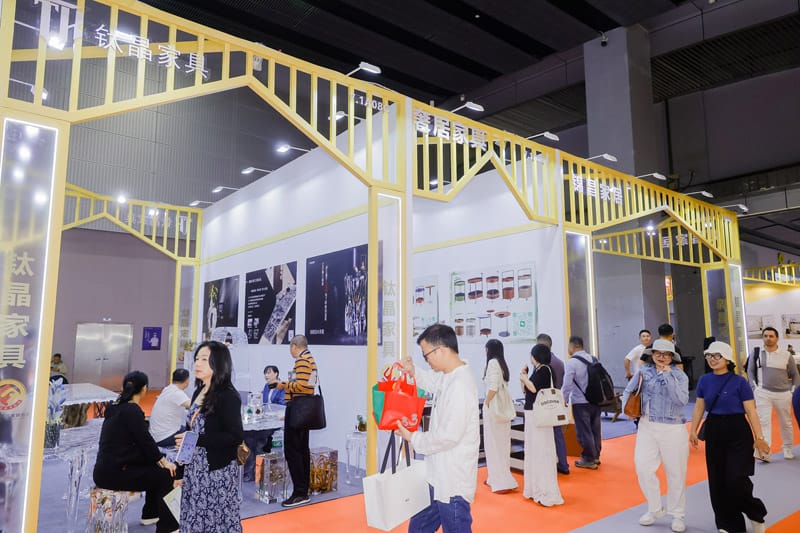
Mid-Century Modern design drew widespread attention at the recent China International Furniture Fair (CIFF).
As we move into 2026, under CIFF’s ongoing theme “CONNECT·CREATE”, Chinese supply chains have struck a commercial balance between recreating timeless classics and pursuing contemporary innovation.
For global design buyers, cross-border brands and B2B purchasers, understanding MCM trends showcased at CIFF unlocks access to high-net-worth market demand.
1. Why Has MCM Experienced a Revival at CIFF?
MCM’s breakout presence at the fair is no random shift in aesthetic cycles. First, MCM furniture prioritizes durability and timeless silhouettes, tapping into a key consumer mindset: shoppers want furniture that feels like collectible pieces. Its classical warmth resonates deeply. Especially amid today’s fast-paced modern lifestyle, people crave opportunities to slow down — and this style delivers a strong sense of comfort and belonging.
MCM also boasts exceptional versatility. With the rise of remote working spaces and upscale boutique hotels, MCM pieces blend functional utility with sculptural artistic qualities, making them highly adaptable for both commercial and residential interiors.
2. Key Fair Trend: Contemporary Craft Evolution of MCM
The MCM furniture on display this year is not a straightforward replica of 1950s originals. It adopts modern fabrication techniques, updated design language and tech-forward materials.
Walnut and teak remain staple hardwoods for framing. Suppliers artfully integrate brushed brass, distressed leather accents and marble inlays to elevate a light-luxury feel. Earth-inspired colour palettes dominate: beige, caramel brown, terracotta and vintage sage green, deployed as subtle low-saturation accents.
Designs also incorporate sleeker, contemporary geometric forms. Many pieces move away from rigid straight lines, embracing flowing curves paired with modern molded plywood technology.
3. Practical Sourcing Strategies for Global Buyers at CIFF
Do not limit visits to large OEM booths in the main halls. Look into mid-sized specialist manufacturers, many based in Foshan. These factories often excel at fine wood joinery and metal inlay work for MCM pieces.
Within CIFF’s residential furniture design hall, established names such as Federal Furniture frequently top overseas buyers’ lists for solid wood sourcing. Defining features of MCM furniture include sweeping bentwood forms and precise joinery. Manufacturers equipped with China’s top CNC steam-bending machinery can accurately shape North American black walnut into ergonomically contoured curved backrests.
To cut cross-border shipping expenses, leading suppliers have re-engineered classic MCM lounge chairs and side tables into knockdown versions optimized for sea freight — a key detail to prioritize during sourcing. As a regular core exhibitor at CIFF, LINSY Home represents the high end of China’s furniture supply chain. Premium vendors within its ecosystem refine concealed hardware and modular snap-fit systems. They break sculptural MCM accent chairs and dining chairs into flat-pack units that end-users can fully assemble with just four screws after unboxing.
During factory audits, focus on granular quality control. Finishes of water-based paint and stitching on fabric upholstery offer clear insight into a manufacturer’s production capability.