


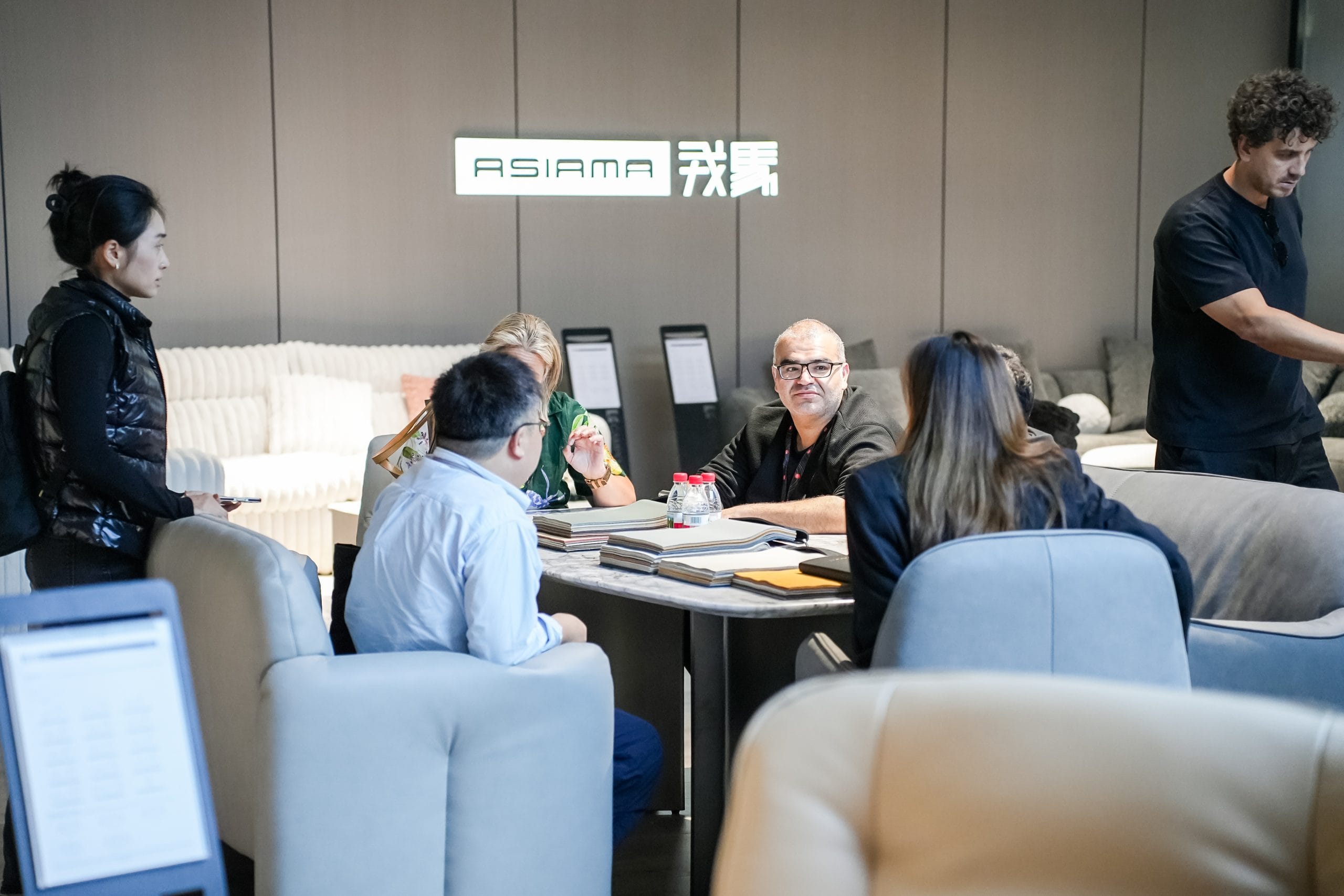
Today, Chinese furniture manufacturing has shed its “low-price” label. Instead, it is defined by a high cost-performance advantage driven by industrial scaling combined with extreme specialization. In China, you can find furniture suppliers catering to any price point.
Walking into an automated furniture workshop in Longjiang, Foshan, or Houjie, Dongguan, you quickly realize these are no longer traditional handicraft shops. They are specialized production lines driven by precision data and industrial automation.
I. Scaling: A Globally Irreplaceable Furniture Industrial Base
China’s furniture output accounts for a significant and still growing portion of the global total.
According to the latest statistics from CSIL (Centre for Industrial Studies) and industry data [1], China’s furniture output will account for approximately 36.5% of the global total by 2025. In sectors like mattresses and sofas, this figure is nearly 40%.
Despite competitive challenges from emerging supply chains in Southeast and South Asia, China’s furniture exports maintain a compound annual growth rate (CAGR) of 5.2%. It is estimated that by 2027, the output value of China’s smart furniture will reach 120 billion RMB [2].
Furthermore, the furniture industrial clusters centered in Foshan and Dongguan are incredibly dense. 90% of raw materials and spare parts can be sourced and delivered to assembly lines within a 1-hour drive [3], drastically improving production efficiency and shortening lead times.
In the Shunde District of Foshan alone, the number of furniture-related enterprises has exceeded 30,000. The R&D cycle has been compressed from an industry average of 3 months to as little as 15 days. This is the ultimate competitive edge. While other regions globally struggle with either high-end costs or extreme price pressure, China’s manufacturing has built a “moat” around production cycles and efficiency.
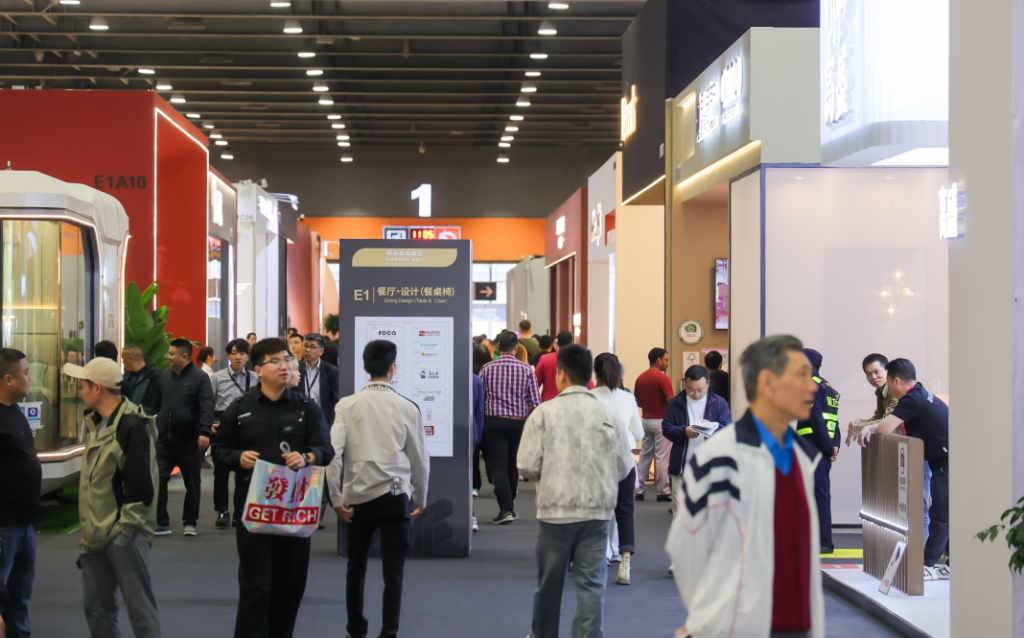
II. Specialization: Deep Exploration of Vertical Fields
Faced with fierce market competition, specialized manufacturers are abandoning the “one-size-fits-all” strategy to build moats through new materials, specialized functions, or specific application scenarios.
1. Material Experts
These factories do not seek a wide variety of categories but aim to be irreplaceable in specific physical properties.
- Case Study: High-performance Aluminum Alloy (Die-casting/Monobloc) FactoriesWhile ordinary factories focus only on the appearance of aluminum furniture, material experts dive deep into wall thickness and fatigue resistance. A factory specializing in aerospace-grade aluminum can reduce the weight of outdoor seating by 40% while passing a 2,000-hour salt spray test, maximizing performance.
- Price Logic: While a standard aluminum outdoor chair might sell for $50, a high-performance aerospace aluminum version can command $180–$240.
- Case Study: Recycled Eco-friendly Materials (PCR/Ocean Plastic) FactoriesThese plants provide full GRS (Global Recycled Standard) traceability and solve technical hurdles like the brittleness and color inconsistency of recycled resins.
2. Application Scenario Experts
These factories don’t just sell furniture; they provide professional solutions tailored to specific environments.
- Case Study: Healthcare & Senior Living FurnitureFor example, bedside rails in senior care must pass a 300kg impact test to minimize fall risks. Fabrics must meet medical-grade anti-mold and anti-bloodstain standards to reduce equipment replacement costs for hospitals.
- Case Study: Acoustic Office Furniture (Acoustic Pods)In the silence booth sector, top-tier manufacturers achieve sound insulation ratings of STC 30dB–35dB. This professional certification allows unit prices to jump from a few thousand RMB to 20,000–50,000 RMB.
3. High Premium & Technical Indicators
In settings like luxury jewelry stores or professional e-sports arenas, technical parameters are the baseline entry requirement.
- Case Study: Display Cabinets with Color Rendering Index (CRI) RequirementsCustom factories for jewelry or high-end apparel must integrate light sources into the cabinetry. The lighting must reach CRI > 95 and R9 (saturated red) > 90 to make jewelry more enticing to buyers.
- Commercial Value: A standard display cabinet (CRI 80) makes expensive rubies look grayish, whereas a professional cabinet significantly enhances the perceived value of the jewelry.