


The aging population isn’t just a statistic—it’s reshaping how we think about furniture design at a fundamental level. Walking through exhibition halls at CIFF, I’ve watched this shift unfold over recent years. Manufacturers who once treated senior-friendly features as an afterthought now lead with them. The demand is real, the market is growing, and the opportunities for those who understand what older adults actually need are substantial.
Why Global Demand for Senior Living Furniture Keeps Climbing
Demographics tell part of the story. Seniors represent a growing share of the population in nearly every major market, and many have significant purchasing power. But the post-pandemic period accelerated something deeper—a collective realization that home environments matter enormously for older adults. Comfort and safety at home aren’t luxuries. They’re necessities that families and institutions are willing to invest in.
The elderly care sector has responded with sustained growth across regions, though the specific needs vary. What sells in Northern Europe differs from what resonates in Southeast Asia. Understanding these regional nuances separates successful market entrants from those who struggle.
What Defines Elderly-Friendly Furniture?
Elderly-friendly furniture applies universal design principles to enhance safety, comfort, and accessibility for seniors. The defining attributes include appropriate seat height, stable construction that resists tipping, easy-to-grip handles and armrests, and supportive ergonomics that accommodate reduced mobility.
This isn’t about making furniture look clinical. The best elderly-friendly furniture reduces fall risks and promotes independence while still feeling like something you’d want in your home. That balance—functional without feeling institutional—is where skilled designers earn their reputation.
Design Innovations That Actually Matter for Senior Comfort and Safety
Innovation in this space isn’t about flashy features. It’s about solving real problems that seniors face daily. Fall prevention furniture incorporates stable bases, rounded edges that won’t cause injury during a stumble, and surfaces that provide grip without being difficult to clean.
Smart home integration has moved from novelty to genuine utility. Adjustable settings controlled remotely mean a caregiver can modify a bed’s position or a chair’s recline without being physically present. For seniors living independently, these features extend the window of self-sufficiency.
What Are the Key Design Considerations for Furniture Tailored to Seniors?
Ergonomic design sits at the center of every decision. Proper lumbar support matters, but so does the ease of getting in and out of a chair or bed. A beautifully designed piece that traps someone when they try to stand has failed its primary purpose.
Material selection requires balancing durability, safety, and maintenance. Surfaces must be non-toxic, resistant to wear, and easy to clean—spills happen, and cleaning shouldn’t require excessive effort. Visual contrast in design aids those with impaired vision, helping them distinguish edges and surfaces that might otherwise blend together.
Getting Through Regulatory Compliance and Product Certification
International safety standards vary enough to trip up manufacturers who assume one certification covers all markets. Healthcare furniture standards in the EU differ from those in North America, which differ again from requirements in Asian markets. Understanding which certifications matter for your target regions isn’t optional—it’s the price of entry.
Beyond market access, compliance builds consumer trust. When families are choosing furniture for aging parents, certification marks provide reassurance that someone has verified the safety claims.
How Can Manufacturers Ensure Their Elderly-Friendly Furniture Meets International Safety Standards?
Rigorous testing procedures and consistent quality control form the foundation. But the process starts earlier—vetting suppliers for material quality and production consistency prevents problems before they reach the testing phase.
Obtaining product certification from recognized bodies validates adherence to international safety standards. This isn’t just paperwork. The testing process often reveals design weaknesses that manufacturers can address before products reach customers.
CIFF as a Gateway to the Elderly-Friendly Furniture Market
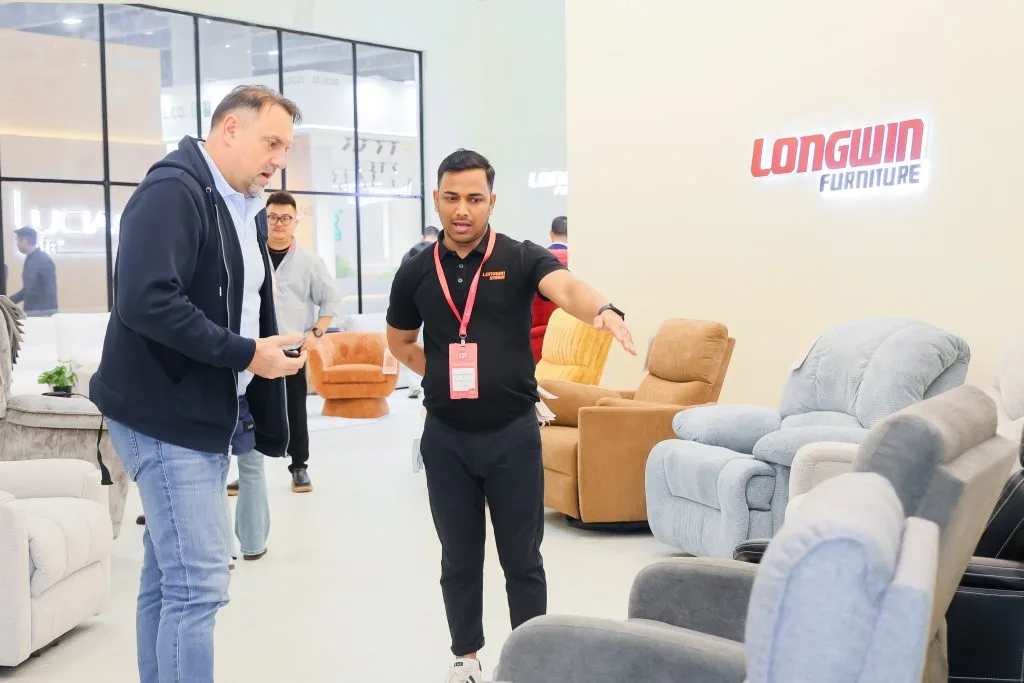
CIFF connects manufacturers with global buyers in ways that digital platforms can’t replicate. There’s something irreplaceable about seeing elderly-friendly furniture in person, testing the mechanisms, feeling the materials, and talking directly with the people who designed and built it.
Our exhibition networking opportunities facilitate international trade and supply chain optimization across a visitor base that spans continents. With over 4,900 brands from China and abroad, the concentration of industry expertise creates opportunities for partnerships that might take years to develop through other channels.
How Can CIFF Facilitate Market Entry for Senior Living Products?
Dedicated buyer-seller matching programs pair exhibitors with relevant buyers based on product categories and market focus. Industry insights shared through forums and presentations help newcomers understand regional preferences and regulatory landscapes.
Networking events create space for conversations that lead to strategic partnerships. Exhibitors gain exposure to a global audience, enabling them to expand distribution channels for senior living products faster than traditional market development approaches allow.
If you are looking for reliable partners, you can also Find Reliable China Furniture Suppliers at CIFF 2026 at our event.
Marketing and Distribution Strategies That Work for Senior Furniture
Marketing elderly-friendly furniture requires speaking to multiple audiences simultaneously. End-users—seniors and their families—respond to messages about independence, dignity, and comfort. Institutional buyers at healthcare providers and residential care facilities prioritize durability, ease of maintenance, and compliance with facility standards.
Distribution channels have diversified. Specialized retailers remain important, but e-commerce for seniors has gained traction, particularly for smaller items and accessories. Successful market penetration typically involves a multi-channel approach that meets buyers where they prefer to shop.
Where Senior Design Is Heading: Sustainability, AI, and Personalization
Sustainability in design has moved from marketing differentiator to baseline expectation in many markets. Eco-friendly materials and production processes matter to institutional buyers facing their own sustainability mandates and to families who want purchases aligned with their values.
AI in furniture offers practical benefits beyond the novelty factor. Predictive maintenance alerts caregivers before a mechanism fails. Adaptive comfort features adjust automatically based on user patterns. These capabilities extend product lifespan and improve user experience simultaneously.
Personalized furniture solutions address the reality that seniors aren’t a monolithic group. Individual needs and preferences vary enormously, and furniture that can be customized—whether through modular components or adjustable features—serves a broader range of users effectively.
What Are the Emerging Market Trends in Senior Living Furniture Globally?
Smart furniture with integrated technology continues gaining ground, particularly in markets with high technology adoption among older adults. Modular design for adaptable living spaces appeals to families anticipating changing needs over time.
Demand for elderly-friendly furniture that combines functionality with aesthetic appeal keeps growing. Seniors don’t want their homes to look like hospitals. Design for longevity emphasizes durable, timeless pieces that won’t need replacement as styles change.

Frequently Asked Questions
Why is design crucial for the elderly furniture segment?
Design determines whether furniture actually serves seniors or merely claims to. Thoughtful design addresses mobility challenges, reduces fall risks, and promotes independence through universal design principles. Beyond function, good design preserves dignity—furniture that looks institutional can make seniors feel diminished in their own homes. The best elderly-friendly furniture achieves safety and comfort while remaining aesthetically appealing.
What role does CIFF play in promoting elderly-friendly furniture innovation?
CIFF provides an international platform where designers, manufacturers, and buyers converge around the latest innovations in elderly-friendly furniture. Dedicated exhibition zones showcase cutting-edge solutions, while industry forums facilitate knowledge exchange about accessibility design, advanced materials, and emerging technologies. This concentration of expertise accelerates adoption of best practices across the senior living products sector.
How can manufacturers effectively market elderly-friendly furniture to a global audience?
Global marketing requires understanding diverse cultural needs and regulatory landscapes across target regions. Participating in international trade fairs like ciff provides direct access to buyers from multiple markets. Digital marketing with targeted content reaches decision-makers researching solutions online. Collaborating with senior care organizations builds credibility, while emphasizing product certifications addresses buyer concerns about safety and compliance.
Join Us at CIFF
The elderly-friendly furniture market offers substantial opportunities for manufacturers ready to meet growing global demand. Connect with leading manufacturers, discover innovative designs, and forge strategic partnerships at the China International Furniture Fair (CIFF). Visit our official website or contact our team at caoxw@cfte.com to explore exhibitor and visitor opportunities for the upcoming sessions in Guangzhou and Shanghai.