


The world’s population is getting older, and that shift is reshaping what furniture needs to do. I’ve watched this market evolve from basic grab bars and raised toilet seats to something far more nuanced—furniture that actually makes daily life better for seniors, not just safer. The demand for aging population furniture has moved well beyond accessibility checkboxes. Manufacturers and designers are now thinking about comfort, independence, and yes, even style. It’s a significant change, and one that’s creating real opportunities for companies willing to rethink how they approach this demographic.
Age-Friendly Furniture Has Become a Design Category of Its Own
The aging global population is forcing a fundamental rethink of how furniture gets designed and built. This isn’t just about adding handrails anymore. Senior living design trends now weave together comfort, safety, and visual appeal in ways that would have seemed unnecessary a decade ago. Inclusive design principles and universal design standards have moved from niche concerns to mainstream requirements.
Manufacturers are responding. Products that support independence and improve daily living for older adults are proliferating across every furniture category. The demographic shifts furniture market is showing sustained growth, and that trajectory looks set to continue. Designers are creating environments that work functionally while still feeling like places people actually want to live. That balance matters more than most realize.

Ergonomics and Safety Form the Foundation of Senior Furniture
Ergonomics and safety aren’t optional extras when designing aging population furniture—they’re the starting point. Specific features make measurable differences. Optimized seat height reduces the effort needed to stand up. Supportive armrest design gives seniors something stable to push against. These details significantly cut fall risks and improve overall comfort.
This focus ensures furniture supports physical well-being while promoting independence within accessible home design. Posture support furniture and assistive furniture technology enhance daily living in concrete ways. The goal is creating environments that deliver comfort and safety in elderly homes while addressing the unique physical requirements of this demographic.
Designing for Dignity Goes Beyond Physical Accessibility
Designing for elderly individuals means thinking about psychological well-being, not just physical function. Innovative approaches now incorporate sensory design for elderly users, adding elements that stimulate senses and provide comfort through texture, color, and material choices.
Dementia-friendly design has become particularly important. Clear visual cues and calming aesthetics reduce confusion and anxiety for those experiencing cognitive decline. Age-friendly interiors that foster belonging and independence matter deeply—even for people whose memories are fading. Designs that respect and enhance lives deserve more attention than they typically receive.
| Feature | Recommended Specification | Benefit |
|---|---|---|
| Seat Height | 45-50 cm | Easier sitting and standing |
| Armrest Height | 20-25 cm above seat | Support for mobility and balance |
| Seat Depth | 45-50 cm | Proper back support and reduced pressure |
| Backrest Angle | 100-110 degrees | Optimal spinal alignment and comfort |
| Fabric | Durable, non-slip | Enhanced safety and longevity |
Smart Technology Is Changing How Seniors Use Their Furniture
Technology is reshaping senior living spaces in practical ways. Smart furniture for seniors now offers enhanced safety, convenience, and connectivity that would have seemed futuristic just a few years ago. Assistive technology furniture includes mobility aids integrated furniture that supports movement and helps prevent falls.
Home modification solutions increasingly incorporate IoT in elderly care, enabling remote monitoring and automated environmental adjustments. Voice-activated furniture provides intuitive control for individuals with limited mobility—no buttons to find, no switches to reach. These innovations are transforming how older adults interact with their living spaces, making daily tasks simpler and safer without requiring technical expertise.
CIFF Shapes What Aging Population Furniture Looks Like Globally
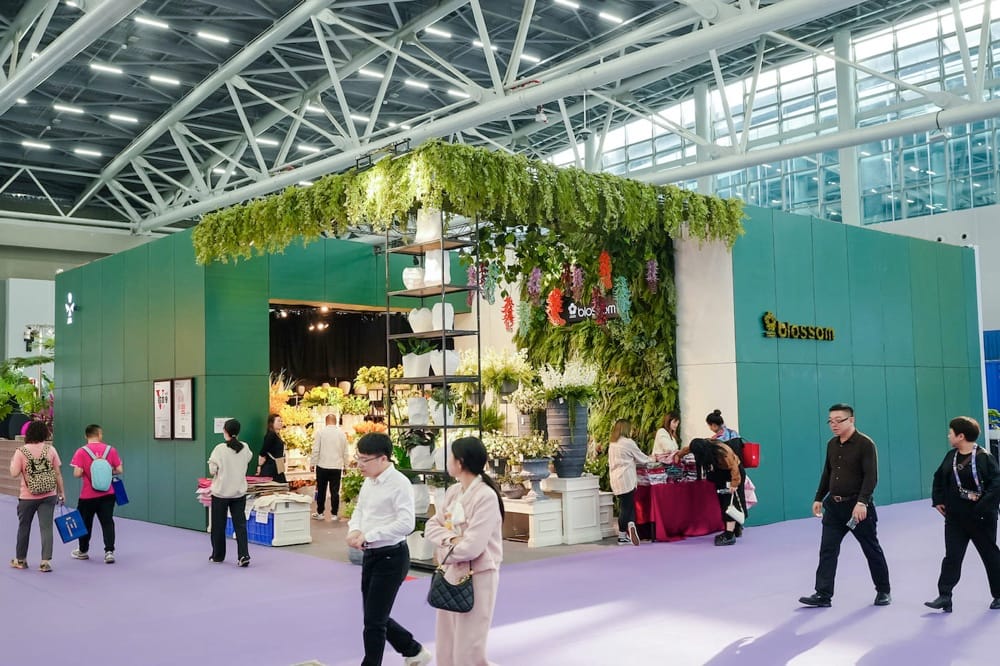
CIFF functions as a pivotal global platform for showcasing the latest trends and innovations in aging population furniture. The fair connects designers, manufacturers, and buyers while fostering collaborations that shape the industry’s direction. Insights into ergonomic furniture for seniors, smart solutions, and sustainable practices emerge from these gatherings.
CIFF annually features a significant number of exhibitors specializing in innovative elderly-friendly furniture, serving as a global barometer for market trends. The exhibitions highlight cutting-edge design for active aging, emphasizing both functionality and aesthetics. The fair drives furniture industry innovation and facilitates global furniture trends. Visitors to ciff can explore a diverse range of products and solutions that define where this market is heading.
To explore the diverse range of exhibitors and innovative solutions showcased at CIFF, we recommend reviewing the 《Find Reliable China Furniture Suppliers at CIFF 2026》.
Sustainability and Customization Will Define the Next Generation of Senior Furniture
The future of aging population furniture points toward personalized solutions, sustainable materials, and modular designs that adapt to diverse and evolving senior needs. Customizable elderly furniture is gaining traction, allowing for tailored comfort and accommodation of specific health requirements.
Sustainable elderly furniture crafted from eco-friendly materials is becoming standard rather than premium. This shift aligns with broader environmental goals while meeting consumer expectations. Multi-functional furniture for seniors maximizes space and utility in smaller living environments—a practical consideration as many seniors downsize. These trends reflect a commitment to personalized senior furniture and eco-friendly senior living that will shape furniture design for years to come.
Discover Innovation at CIFF
Discover the forefront of elderly furniture innovation and connect with leading designers and manufacturers. Join us at the china international furniture fair (ciff) to explore groundbreaking solutions, forge strategic partnerships, and shape the future of age-friendly living.
For exhibitor opportunities or visitor information, please contact caoxw@cfte.com or visit our official website.
Frequently Asked Questions About Elderly Furniture Design
What defines innovative design in elderly furniture?
Innovative design in aging population furniture integrates universal design principles, ergonomics, smart technology, and aesthetics to enhance comfort, safety, and independence for seniors. It goes beyond basic accessibility to create age-friendly interiors that support dignity and well-being. The best examples are functional and visually appealing—furniture people choose, not furniture they settle for.
How does CIFF contribute to the elderly furniture market?
ciff serves as a pivotal global platform for showcasing the latest trends and innovations in aging population furniture. It connects designers, manufacturers, and buyers, fostering collaborations and providing insights into ergonomic furniture for seniors, smart solutions, and sustainable practices. The exhibitions play a significant role in market development and trend identification.
What are the key considerations for selecting furniture for senior living communities?
Key considerations include ergonomic features for ease of use and fall prevention, durable and easy-to-maintain materials, integrated smart technology for safety and convenience, aesthetic appeal that promotes a homely environment, and modularity for adaptability to varying needs. Comfort and safety in elderly homes remains paramount for resident well-being, but appearance matters too—no one wants to feel like they’re living in a hospital.