


The furniture industry is shifting in ways that feel genuinely different from the incremental changes we saw a decade ago. Consumer expectations have matured, technology has moved from novelty to necessity, and sustainability has become non-negotiable for a growing segment of buyers. CIFF, as the world’s largest home furnishing fair, reflects these movements clearly through its exhibitor mix and product showcases.
Sustainable Furniture Design and Eco-Conscious Innovation
Sustainable furniture design has moved past the early-adopter phase into mainstream production. The pressure comes from multiple directions: consumers actively seeking eco-friendly furniture materials, retailers demanding transparency, and regulations tightening across major markets. The circular economy furniture model is gaining real traction. Manufacturers are rethinking material selection, production waste, and what happens to products at end-of-life.
CIFF exhibitors demonstrate this shift through sustainable sourcing in furniture, with products featuring recycled content furniture and biophilic design elements. Green furniture certifications now serve as baseline expectations rather than differentiators. Upcycled furniture designs are appearing more frequently, and carbon footprint reduction strategies are becoming standard operational considerations rather than marketing afterthoughts.
What are the key drivers behind sustainable furniture design?
Consumer demand remains the most immediate driver. A significant and growing market segment prioritizes ethical furniture production when making purchasing decisions. Regulatory pressure adds urgency, with environmental standards for manufacturing becoming stricter across Europe, North America, and increasingly in Asian markets. Corporate social responsibility commitments also push companies toward sustainable practices. These forces reinforce each other, creating momentum that shows no signs of reversing.
| Material Type | Key Properties | Applications | Environmental Benefit |
|---|---|---|---|
| Recycled Plastics | Durable, lightweight | Outdoor furniture, accents | Waste reduction |
| Bamboo | Fast-growing, strong | Frames, flooring | Renewable resource |
| Reclaimed Wood | Unique character, sturdy | Tables, cabinets | Reduces deforestation |
| Organic Cotton | Soft, breathable | Upholstery, textiles | Chemical-free farming |
| Cork | Renewable, sound-absorbing | Paneling, small furniture | Harvested sustainably |
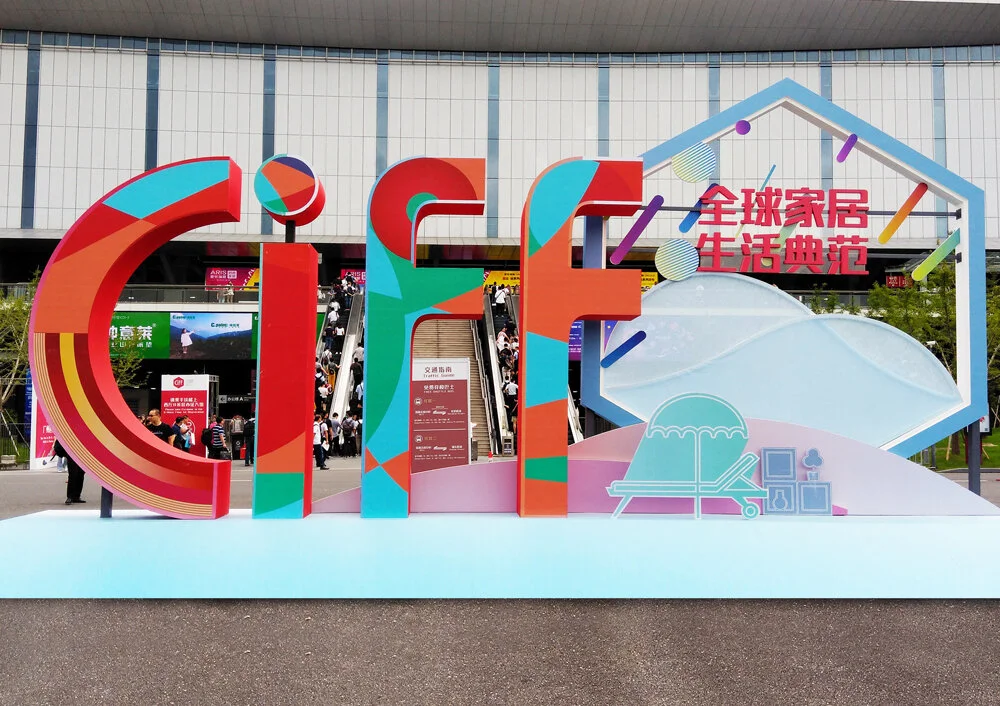
The China International Furniture Fair (CIFF) actively promotes these advancements. CIFF Guangzhou features a dedicated segment for sustainable materials and manufacturing. This commitment positions CIFF as a vital platform for understanding and adopting eco-conscious innovation.
Smart Furniture Integration and Modern Living Enhancement
Technology integration is changing what furniture can do and how people interact with it. IoT in furniture enables connectivity and control that transforms ordinary pieces into responsive systems. Smart storage solutions use automated mechanisms to optimize space in ways that manual organization cannot match. AI-powered furniture is beginning to appear, offering personalized comfort settings and adaptive responses to user behavior.
Ergonomic furniture trends benefit significantly from smart integration. Desks and chairs that adjust automatically based on user preferences or time-of-day patterns represent practical applications of this technology. Connected home furniture systems create cohesive environments where different pieces communicate and coordinate. Health and wellness furniture can monitor posture or activity levels. Energy-efficient furniture and voice-activated furniture add convenience while reducing environmental impact.
How do smart furniture trends enhance modern living spaces?
Smart furniture improves modern living space enhancement through technology that serves practical needs. Automated functions and personalized settings offer genuine convenience in smart homes. The results include better organization, more efficient use of space, and improved connectivity between devices and furnishings. Daily routines become less friction-filled when furniture anticipates and responds to user needs.
| Feature Category | Examples | Benefits |
|---|---|---|
| Connectivity | Wireless charging, USB ports | Device convenience |
| Ergonomics | Adjustable desks, posture sensors | Health, comfort |
| Entertainment | Integrated speakers, hidden screens | Space-saving media |
| Security | Smart locks, hidden compartments | Enhanced safety |
| Lighting | Ambient, motion-activated LEDs | Mood, energy saving |
Design Innovation Across Aesthetics, Functionality, and Customization
Contemporary furniture design balances visual appeal with practical utility, while personalization demands continue growing. Modular furniture solutions provide flexibility that fixed designs cannot offer. They adapt to different living spaces and accommodate changing needs over time. Customizable furniture systems let consumers specify dimensions, materials, and configurations that match their particular situations.
Urban living furniture addresses the reality that many buyers face space constraints. Minimalist furniture design maintains its appeal through clean lines and purposeful simplicity. Multi-functional furniture like sofa beds and expandable tables delivers genuine value in smaller environments where every square foot matters. Material innovation in design continues exploring new textures, finishes, and sustainable alternatives. Furniture aesthetics increasingly reflect individual expression rather than standardized taste.
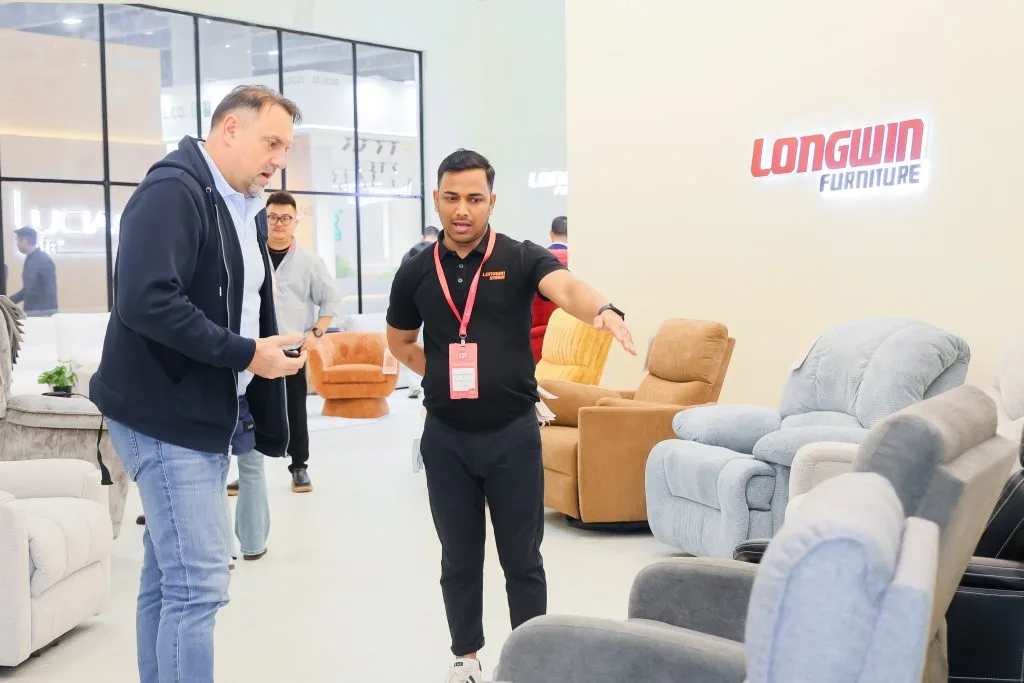
CIFF showcases design excellence through exhibitors who push boundaries in form, material, and function. The fair provides a comprehensive overview of global design trends, from experimental concepts to commercially ready innovations. If you’re interested, check 《Guide for Interior Designers Attending CIFF 2026》.
Market Dynamics in Global Trade and Consumer Preferences
Global furniture market trends reflect complex interactions between shifting consumer preferences furniture and international furniture trade patterns. E-commerce furniture impact continues expanding, requiring manufacturers and retailers to develop robust digital capabilities. Supply chain resilience has become a priority consideration following recent global disruptions that exposed vulnerabilities in extended logistics networks.
Events like CIFF facilitate global trade while providing insight into diverse consumer needs across different markets. CIFF Guangzhou, with its extensive exhibition area and international participation, functions as a hub for market intelligence and business development. The fair attracts over 380,000 professional visitors from more than 200 countries and regions. This scale makes it a reliable indicator of market direction and emerging opportunities.
Future Outlook and the Next Wave in Furniture
The furniture industry’s future outlook involves continued evolution driven by technological advancement and shifting societal values. Further integration of future furniture technology seems likely, including augmented reality furniture for design visualization and robotics in furniture manufacturing for improved efficiency. Next generation furniture will probably feature even greater adaptability and personalization capabilities.
Predictive design trends will leverage data analytics to anticipate consumer preferences before they fully emerge. CIFF remains positioned at the forefront, offering insights into emerging technologies and design paradigms. The fair’s forward-looking approach aims to guide the industry through ongoing transformative changes. Exhibition themes adapt continuously to reflect future directions, keeping attendees informed about the latest innovations.
Conclusion
The furniture industry continues evolving with design, sustainability, and smart living as central themes. Eco-conscious innovation has become an operational requirement rather than an optional enhancement. Smart technology is transforming functionality and user experience. Aesthetics and functionality continue developing in response to diverse consumer needs. These key furniture takeaways point toward an industry committed to meaningful progress.
CIFF’s role as a leading platform for innovation connects global suppliers and buyers while fostering collaboration. The fair drives adoption of critical trends across the industry. The commitment to “Design Trend, Intelligent Manufacturing, Trade Promotion, and Quality Consumption” positions CIFF as a significant force in shaping the furniture industry summary and its trajectory.
Frequently Asked Questions About Emerging Furniture Trends
Where can I find examples of innovative furniture design at industry events?
Major industry events like ciff offer extensive examples of innovative furniture design. CIFF Guangzhou, held annually, showcases cutting-edge designs from over 4,900 brands. These events provide direct experience with the latest trends and create opportunities to connect with leading designers and manufacturers.
How is sustainability reshaping furniture manufacturing?
Sustainability is reshaping furniture manufacturing through emphasis on eco-friendly materials, circular economy principles, and reduced carbon footprints. Manufacturers are adopting sustainable sourcing, utilizing recycled and upcycled content, and implementing green certifications. Consumer demand and regulatory pressures for responsible production drive this shift.
What are the latest advancements in smart furniture technology?
Current smart furniture tech includes integrated IoT devices for connectivity, AI for personalized comfort, and advanced ergonomic features. Innovations like wireless charging, voice-activated controls, and health monitoring capabilities are becoming standard. These advancements improve convenience, efficiency, and overall user experience in modern living spaces.
Experience the Future of Furnishing
Discover the forefront of furniture innovation and connect with global industry leaders at the China International Furniture Fair (CIFF). Explore unparalleled design, sustainable solutions, and smart living advancements. Plan your visit to CIFF Guangzhou or CIFF Shanghai to experience the future of furnishing firsthand. For partnership opportunities or exhibitor inquiries, contact us at caoxw@cfte.com.