


Maximizing ROI at Furniture Trade Fairs
Exhibiting at a furniture trade fair costs real money. Booth space, design, staffing, travel, logistics—it adds up fast. The question isn’t whether to exhibit, but how to make every dollar work harder. After watching brands succeed and struggle at events like CIFF, certain patterns emerge. The difference between a profitable show and an expensive disappointment usually comes down to preparation, execution, and follow-through. None of these elements work in isolation.
Pre-Show Planning That Actually Moves the Needle
Most exhibitors underestimate how much the weeks before an exhibition determine its outcome. Setting vague goals like “generate leads” or “increase brand awareness” leads to unfocused efforts and disappointing results. Specific targets change behavior. Aiming to schedule 40 qualified meetings or collect 200 decision-maker contacts creates accountability and shapes every subsequent decision.
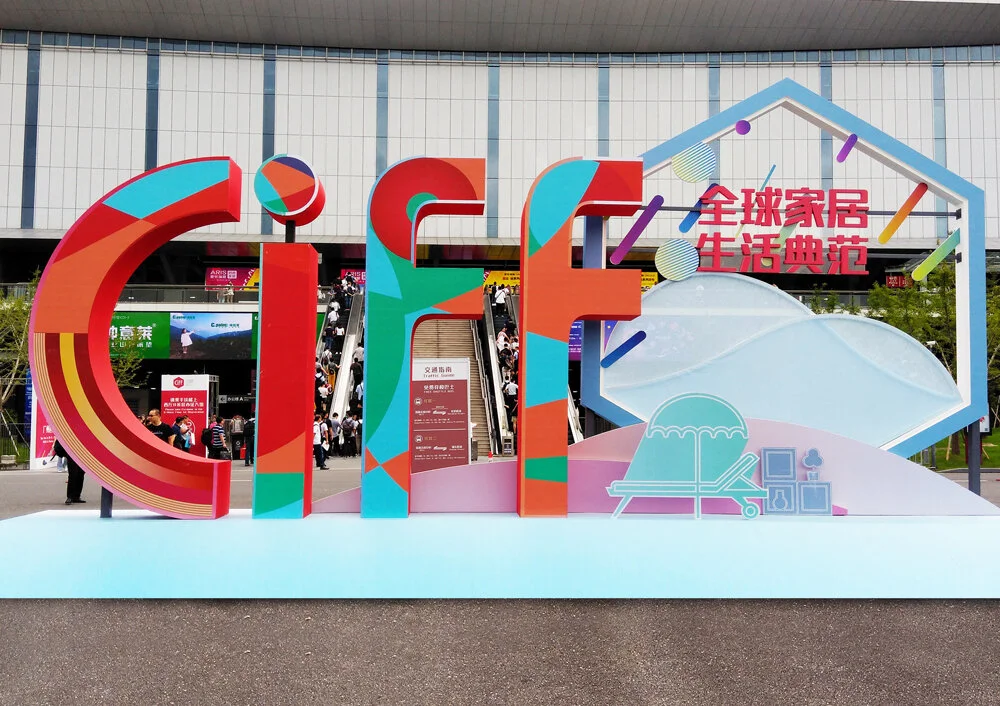
Budget allocation deserves more attention than it typically receives. Booth space often consumes the largest share, but skimping on staff training or pre-show outreach undermines the entire investment. At CIFF Guangzhou, where over 380,000 professional visitors walk the floors, reaching the right people requires deliberate targeting. The visitor base spans more than 200 countries, which sounds impressive until you realize that broad reach means nothing without precision.
A practical pre-show checklist includes:
- Define objectives with specific numbers attached—lead count, meeting targets, partnership goals.
- Study the exhibition’s visitor demographics to understand who actually attends.
- Launch email campaigns and social media promotion at least six weeks before the event.
- Conduct staff training sessions covering product knowledge, conversation techniques, and lead qualification criteria.
- Finalize shipping schedules, installation timelines, and hotel bookings.
- Reach out to priority contacts to schedule meetings in advance.
For deeper insights into preparing for major events, you might find our article 《Don’t Miss Out: Register Now for CIFF 2026 Furniture Access》 particularly useful.
Booth Design That Draws People In
Your booth functions as a physical expression of your brand. Visitors form impressions within seconds of walking past. An uninviting layout or cluttered display sends people elsewhere before any conversation happens.
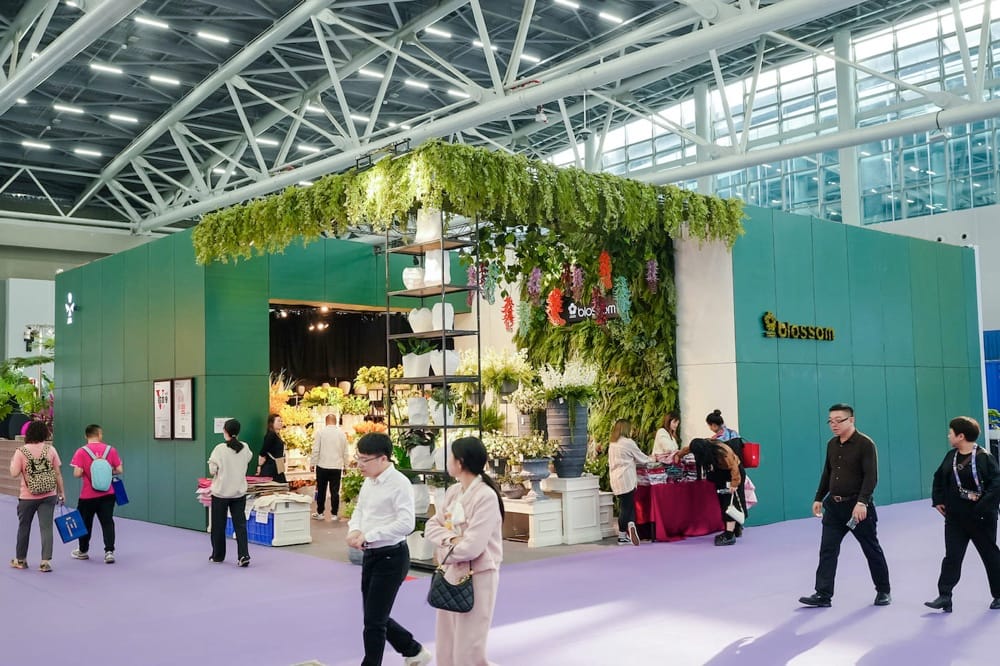
Effective furniture exhibition booth design balances aesthetics with functionality. Open layouts encourage entry. Cramped spaces with too many products create visual noise that overwhelms rather than attracts. Interactive elements—places where visitors can touch materials, test mechanisms, or experience comfort firsthand—increase dwell time and create memorable impressions.
| Design Element | Purpose | Impact on Visitor Engagement |
|---|---|---|
| Open Layout | Invites easy entry and exploration | Increased foot traffic |
| Interactive Displays | Allows hands-on product experience | Higher dwell time, better recall |
| Clear Branding | Reinforces brand identity | Enhanced brand recognition |
| Comfortable Seating | Encourages longer conversations | Improved lead qualification |
| Product Storytelling | Connects products to lifestyle and values | Deeper emotional connection |
Successful CIFF exhibitors often use their layouts to manage traffic flow deliberately. With product lines spanning home furniture to office furniture, clear categorization helps visitors find what interests them without feeling lost.
Digital Tools That Extend Your Reach
The physical booth represents only one touchpoint. Digital marketing for trade shows amplifies your presence before, during, and after the event. Social media posts showcasing booth preparations build anticipation. Live updates during the exhibition create urgency for those who haven’t visited yet.
Lead capture deserves particular attention. Paper business cards get lost. Handwritten notes become illegible. QR codes linking to digital brochures or contact forms streamline data collection and reduce errors. When these tools integrate with your CRM system, follow-up becomes systematic rather than haphazard.
Virtual components have proven their value for reaching audiences who cannot attend in person. Live streams of product demonstrations or virtual booth tours extend your exhibition’s impact across time zones and borders.
What Digital Tools Enhance Exhibition Marketing for Furniture Brands
Essential digital tools include event apps for scheduling and information access, lead retrieval software for efficient contact collection, and email marketing automation for post-show communication. Social media management platforms enable real-time engagement during the event.
Virtual reality and augmented reality applications offer immersive product experiences. Visitors can visualize how a sofa looks in their living room or how an office system fits their floor plan. These technologies generate interest that static displays cannot match.
Converting Booth Traffic Into Business
Lead generation at exhibitions only matters if those leads convert into customers. The gap between collecting contacts and closing deals often determines whether an exhibition pays for itself.
Visitor qualification separates serious prospects from casual browsers. Not everyone who stops by your booth represents a real opportunity. Training staff to ask the right questions early—budget, timeline, decision-making authority—prevents wasted effort on leads that will never close.
Effective sales conversations on the show floor take a consultative approach. Visitors respond better to questions about their challenges than to feature recitations. Understanding what problem they need to solve positions your products as solutions rather than commodities.
Networking opportunities at fairs like CIFF, which attracts decision-makers from across the global furniture industry, create connections that extend beyond immediate transactions. Partnerships, distribution agreements, and long-term relationships often begin with a single conversation at an exhibition.
How Successful Exhibitors Engage Visitors on the Show Floor
Successful exhibitors listen more than they talk. They ask about visitor needs and pain points before launching into product descriptions. Demonstrations that let visitors experience quality and functionality firsthand create stronger impressions than verbal explanations alone.
Well-trained booth staff appear approachable and knowledgeable without seeming pushy. They recognize when a visitor needs information and when they need space. Show-only incentives can encourage immediate engagement, though these work best when they add genuine value rather than creating artificial pressure.
What Happens After the Exhibition Ends
Post-show follow-up separates exhibitors who see returns from those who wonder why their investment didn’t pay off. Leads grow cold quickly. A systematic nurturing campaign should begin within days of the exhibition closing.
Segmenting leads based on qualification level allows for appropriate communication. Hot prospects warrant personal calls. Warm leads might receive detailed proposals. Cooler contacts enter longer-term nurturing sequences. One-size-fits-all follow-up wastes resources and annoys recipients.
Measuring exhibition success requires looking beyond immediate sales. Some deals close months after initial contact. Comprehensive ROI calculation considers cost per lead, conversion rates over time, brand awareness changes, and the long-term value of relationships established. This evaluation provides data for improving future exhibition strategies.
How Furniture Exhibitors Can Effectively Measure ROI
ROI measurement starts with comparing total revenue generated from exhibition leads against total exhibition costs. Track the number of qualified leads, conversion rates from lead to sale, and average deal size.
Beyond direct sales, monitor brand mentions, website traffic increases, and social media engagement during and after the event. Factor in the long-term value of new customer relationships and partnerships. A lead that takes six months to close still represents exhibition ROI if the relationship began at the show.
The Case for Premier Furniture Fairs
Not all exhibitions deliver equal value. Premier events like CIFF offer scale and quality that smaller shows cannot match. Established in 1998, CIFF has grown into the world’s largest home furnishing fair, covering the entire industry chain.
CIFF Guangzhou annually hosts over 4,900 brands across an 850,000 square meter exhibition area. The positioning around design trends, global trade, and full supply chain attracts serious buyers rather than casual visitors. With attendance from more than 200 countries, the event serves as a platform for market expansion and exposure to global furnishing industry trends.

The concentration of decision-makers, media attention, and industry focus creates opportunities that scattered smaller events cannot replicate. For brands serious about growth in the furniture sector, presence at leading fairs represents a strategic necessity rather than an optional expense.
Your Next Step
Discover how participating in the china international furniture fair (ciff) can strengthen your exhibition strategy and deliver measurable results. Contact CIFF today to explore exhibitor opportunities. Email us at caoxw@cfte.com.
Common Questions About Furniture Exhibition Success
What Pre-Show Marketing Approach Works Best for Furniture Exhibitors
A multi-channel approach combining targeted email campaigns, social media promotion, and personalized invitations to priority prospects produces the strongest results. Using CIFF’s exhibitor portals for pre-registration and meeting scheduling increases engagement before visitors arrive. This groundwork ensures your brand stays visible to relevant buyers throughout their exhibition planning.
How Smaller Furniture Businesses Can Compete at Major Exhibitions
Smaller businesses compete effectively by emphasizing unique product offerings and exceptional visitor engagement. Digital tools for targeted outreach and efficient lead capture help level the playing field against larger competitors with bigger booths. Highlighting craftsmanship, distinctive design, and personalized attention creates differentiation that size alone cannot achieve.
Which Metrics Matter Most for Evaluating Exhibition Performance
Key performance indicators include qualified leads generated, cost per lead, sales conversion rate, media mentions, website traffic changes, and brand awareness shifts. Comprehensive ROI measurement tracks both immediate sales and longer-term brand building effects. These metrics together reveal whether an exhibition delivered value proportionate to its cost.