


The furniture world keeps shifting under our feet. Consumers want different things now, technology moves faster than most manufacturers can adapt, and sustainability has gone from buzzword to business requirement. What we’re seeing through CIFF data and conversations with exhibitors points to some clear directions through 2026, though the pace of change means anyone claiming certainty is probably overselling.
Where Global Furniture Demand Is Actually Heading
Consumer spending patterns tell a story that goes beyond simple growth numbers. People want furniture that does more than one thing, which makes sense when you consider how living spaces have shrunk in most urban markets. CIFF visitor data backs this up, with multi-functional pieces drawing consistent interest across buyer categories.
The shift toward online research before purchase has changed how brands need to show up. Digital showrooms matter now. So does the quality of product information available before someone walks into a physical space or places an order.
| Demand Factor | 2024 Projection | 2025 Projection | 2026 Projection |
|---|---|---|---|
| Residential Furniture | +4.5% | +4.8% | +5.1% |
| Commercial Furniture | +3.2% | +3.5% | +3.8% |
| Outdoor Furniture | +6.0% | +6.3% | +6.5% |
| Smart Furniture | +8.1% | +9.5% | +10.2% |
What Design Actually Looks Like in 2026
The design conversation has moved past aesthetics alone. Sustainable materials have become a real consideration rather than a marketing angle. CIFF floors show this clearly, with recycled plastics, bamboo composites, and reclaimed wood appearing in serious production pieces rather than just concept displays.
The aesthetic direction leans minimal. Natural textures. Calming colors. This isn’t just trend-chasing. It reflects how people actually want their spaces to feel after years of visual overload.

| Design Trend Category | Key Characteristics (2026) | Traditional Styles (Comparison) |
|---|---|---|
| Sustainability | Recycled materials, modularity | Disposable, single-use materials |
| Minimalism | Clean lines, neutral colors | Ornate, heavy, complex designs |
| Biophilic Design | Natural elements, organic shapes | Artificial, synthetic environments |
| Multi-functional | Space-saving, adaptable pieces | Single-purpose, fixed designs |
How CIFF Shapes What Gets Made
CIFF works as a testing ground for ideas that might otherwise stay on drawing boards. The “Design Trend” positioning puts prototypes in front of manufacturers who can actually produce them at scale. This creates a feedback loop between designers trying new material applications and factories figuring out how to make those ideas work economically.
The partnerships that form at these events accelerate how quickly novel concepts reach production. A designer with an interesting bamboo composite application meets a manufacturer with the right equipment. Six months later, that concept is in a catalog.
Technology in Furniture Is Getting Real
Smart furniture has moved past the gimmick phase. IoT integration now serves actual purposes, with connectivity that adds function rather than complexity. The manufacturing side has shifted too. 3D printing and robotic assembly show up in production facilities, not just trade show demonstrations.
CIFF exhibits reflect this maturation. The technology on display solves problems rather than creating new ones to solve.
Which Technologies Actually Matter
AI-driven design tools speed up prototyping and allow for personalization at scales that weren’t possible before. Robotic manufacturing improves precision while reducing the variability that comes with manual processes. AR applications let buyers see furniture in their actual spaces before committing, which reduces returns and improves satisfaction.
These aren’t future possibilities. They’re current capabilities that CIFF exhibitors are already deploying.
Supply Chain Reality Checks
Supply chain resilience has become a survival skill rather than an optimization exercise. Tariffs shift. Geopolitical situations change. Raw material availability fluctuates. Manufacturers who relied on single sourcing strategies learned hard lessons over the past few years.
The emphasis on ethical and sustainable sourcing adds another layer of complexity. Consumers and regulators both care where materials come from now. Shipping costs and delays haven’t returned to pre-pandemic levels, pushing more manufacturers toward localized production where it makes sense.
Understanding this landscape matters for anyone planning beyond the next quarter. For more detailed analysis on optimizing your sourcing strategies and navigating international regulations, we recommend reading 《Find Reliable China Furniture Suppliers at CIFF 2026》.
| Risk Factor | Impact on Supply Chain (2026) | Mitigation Strategies |
|---|---|---|
| Geopolitical Instability | Trade disruptions, market volatility | Diversified sourcing, regional hubs |
| Raw Material Scarcity | Price increases, production delays | Sustainable sourcing, material innovation |
| Logistics Bottlenecks | Shipping delays, increased costs | Optimized routes, localized production |
| Labor Shortages | Production capacity constraints | Automation, skilled workforce development |
Sustainability Beyond the Marketing Deck
The sustainability conversation has matured. Eco-friendly materials include rapidly renewable resources and recycled content that actually performs. Manufacturing processes aim to reduce waste and energy consumption in measurable ways. Circular economy principles like repair, reuse, and recycling have moved from theory to practice.
CIFF exhibitors showcase green manufacturing innovations because buyers ask about them. The demand is real.
Regional Markets Worth Watching
Growth patterns vary significantly by region. Emerging markets in Asia and Latin America are expanding as urbanization continues and disposable incomes rise. The middle class in these regions wants furniture that reflects their changing circumstances.
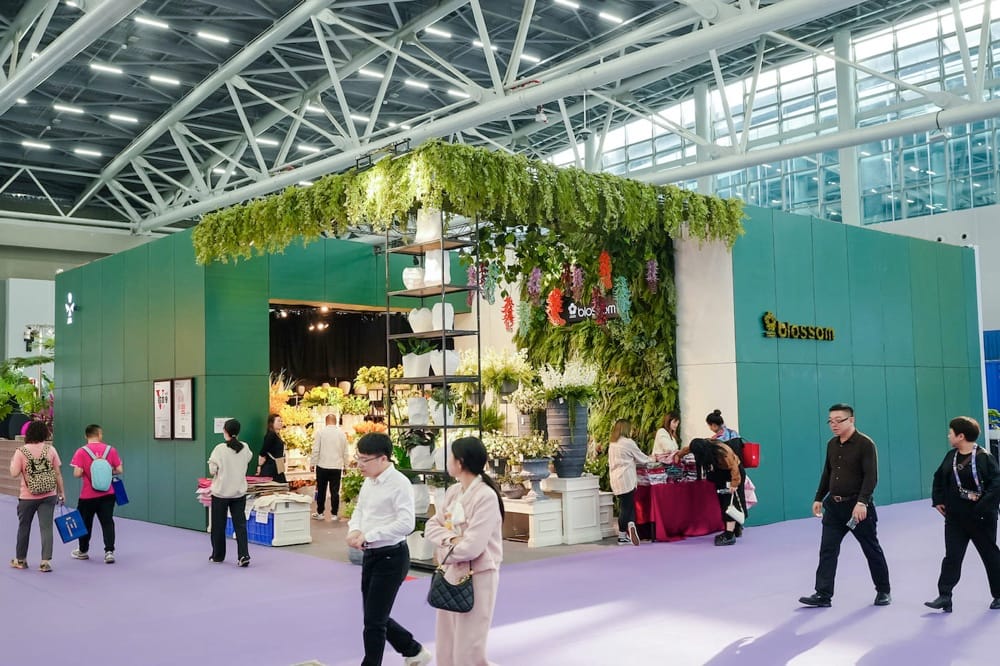
Events like ciff connect international businesses with these markets in ways that cold outreach cannot replicate. The relationships formed at these gatherings translate into actual trade.
Registration for the upcoming fair is open: 《Don’t Miss Out: Register Now for CIFF 2026 Furniture Access》.
What Drives the 2026 Market
Economic growth in emerging economies puts more purchasing power in more hands. Demographic shifts toward urbanization and smaller households create demand for compact, multi-functional furniture. Technology advances push innovation in both products and production. Sustainability mandates and consumer awareness push for eco-friendly products and circular economy models.
None of these factors operates in isolation. They interact and amplify each other.
Working with CIFF
CIFF’s platform for “Design Trend, Global Trade and Full Supply Chain” positions brands at the center of where the industry is heading. Over 380,000 global professionals attend. The events in Guangzhou, Shanghai, and Tianjin offer different angles on the same market.
For exhibition opportunities or more information, contact caoxw@cfte.com.
FAQ
What are the most significant emerging furniture market trends for 2026?
The trends that matter most for 2026, based on ciff insights, include sustainable and circular economy practices, technological integration for smart home solutions, and demand for personalized, multi-functional designs. Supply chain resilience and regional market diversification also shape how the global furnishing industry operates.
How does CIFF provide unique insights into future furniture design and manufacturing?
ciff brings together the entire industry chain, from raw materials to finished products. The “Design Trend” positioning showcases innovations and prototypes while the “Intelligent Manufacturing” focus highlights production technology advances. This comprehensive exposure allows for a complete view of where furniture design and manufacturing are heading.
What role does sustainability play in the 2026 furniture market trends?
Sustainability has become a core industry requirement rather than a niche concern. Consumers and regulations demand eco-friendly materials, responsible sourcing, and products designed for longevity and recyclability. ciff exhibitors showcase innovations in sustainable furniture production and circular economy models that reflect this shift.
Which regions are projected to experience the highest growth in the furniture market by 2026?
Emerging markets in Asia, particularly Southeast Asia, and certain regions in Latin America are projected for significant growth by 2026. Rising disposable incomes, urbanization, and evolving consumer preferences drive this expansion. ciff‘s international reach and diverse exhibitor base offer insights into these regional market shifts and investment opportunities.