


The way we work keeps changing, and so do the spaces we work in. Hybrid schedules, rising expectations around comfort, and a growing awareness of environmental impact have pushed office design into new territory. What once worked—rows of identical desks, fixed meeting rooms, one-size-fits-all layouts—no longer fits how teams actually operate. CIFF Guangzhou, the world’s largest home furnishing fair, brings together the manufacturers, designers, and technologies responding to these shifts, offering a concentrated look at where office environments are heading.
What Actually Drives Office Design Now
The global shift towards more flexible and adaptive work structures has fundamentally reshaped office design principles. Hybrid work models, for instance, necessitate spaces that seamlessly support both in-office collaboration and remote connectivity. This demand has spurred the development of flexible workspaces, which can be reconfigured to suit various tasks and team sizes.
The post-pandemic office prioritizes adaptability and employee comfort, moving beyond traditional cubicle farms. This focus on future of work trends aims to enhance workplace productivity and foster a more engaging environment. We observe a clear industry trend towards creating agile, human-centric spaces that respond to diverse needs.
How Hybrid Work Models Shape Physical Spaces
Hybrid work models are driving a demand for versatile office layouts that facilitate seamless transitions between individual focused work and collaborative team efforts. This involves integrating dedicated quiet zones, adaptable meeting areas, and robust technological infrastructure for remote collaboration.
Hybrid office solutions emphasize modular furniture and flexible partitions, allowing spaces to be easily reconfigured. The goal is to create agile workspaces that support both in-person and virtual interactions effectively. Practical guidance suggests designing for fluidity, ensuring that employees can move between different work modes without disruption.
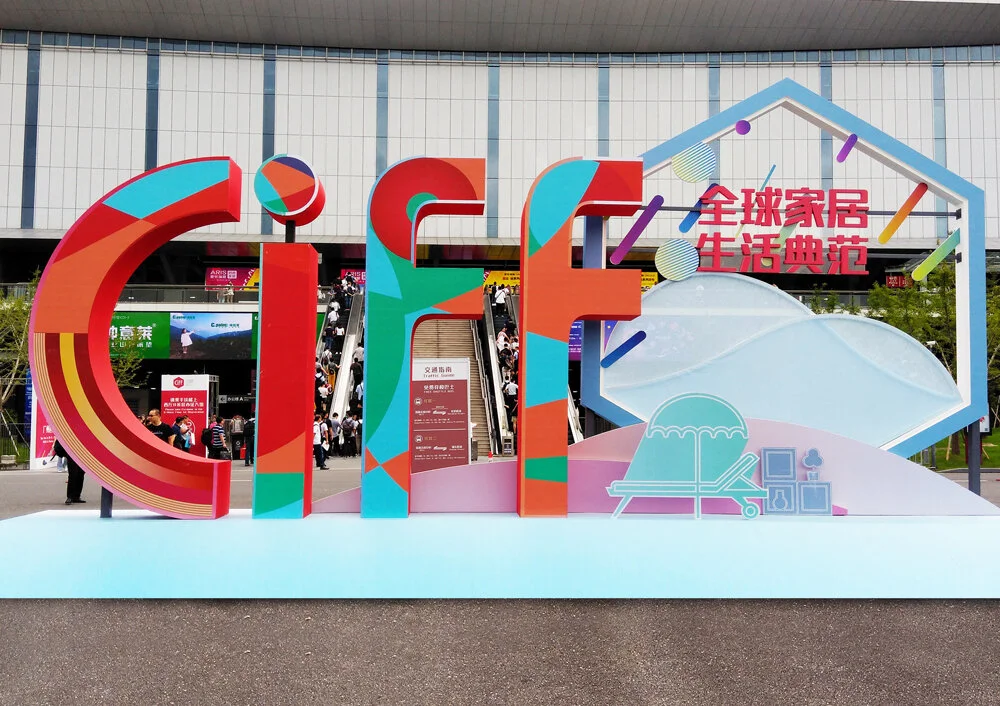
We recommend exploring 《Guide for Interior Designers Attending CIFF 2026》 for further insights into designing for modern office environments.
Sustainability and Smart Systems Working Together
The integration of sustainable office furniture and smart office technology is no longer an option but a necessity. The market for sustainable materials and smart office technologies continues to grow significantly.
Biophilic design, which incorporates natural elements, is gaining prominence for its positive impact on employee well-being. Energy-efficient offices leverage advanced systems to reduce environmental footprints and operational costs. IoT in the workplace is revolutionizing space management and resource optimization.
What Sustainable Office Solutions CIFF Guangzhou Will Feature
CIFF Guangzhou will feature a diverse range of sustainable office solutions, highlighting eco-friendly materials and innovative manufacturing processes. Attendees can expect to see furniture crafted from recycled content, rapidly renewable resources, and low-VOC materials.
The exhibition will also showcase products designed for the circular economy, emphasizing durability, repairability, and recyclability. Exhibitors will present solutions adhering to green building standards, demonstrating a commitment to environmental stewardship.
| Feature | Smart Office Systems | Traditional Office Systems |
|---|---|---|
| Connectivity | IoT-enabled, integrated | Standalone, limited |
| Energy Efficiency | Optimized lighting/HVAC | Manual, less efficient |
| Space Utilization | Data-driven insights | Manual observation |
| User Experience | Personalized, adaptive | Standardized |
| Maintenance | Predictive, automated | Reactive |
Why Employee Health Belongs in Every Design Decision
Employee well-being is a critical consideration in modern office environments, directly impacting productivity and retention. Ergonomic design principles are paramount, ensuring furniture and layouts support physical health and comfort.
Acoustic solutions are integrated to minimize distractions and create conducive work zones. Health-focused workplaces extend beyond ergonomics to include elements that promote mental and emotional comfort in the office. This holistic approach aims to foster a supportive and comfortable environment.
The Business Case for Prioritizing Well-being
Prioritizing employee well-being is crucial because it directly correlates with increased productivity, reduced absenteeism, and higher employee retention. A well-designed, comfortable environment can significantly boost morale and job satisfaction.
Investing in ergonomic design, acoustic solutions, and biophilic elements yields a strong return on investment through improved employee engagement and fewer health-related issues. Such initiatives demonstrate a commitment to workplace wellness programs and mental health support, creating truly productive environments.
For those looking to optimize their sourcing strategy, consider reading 《Find Reliable China Furniture Suppliers at CIFF 2026》.
CIFF Guangzhou Brings It All Under One Roof
CIFF Guangzhou is the premier destination for discovering the latest innovations in office furniture and commercial furniture trends. As the world’s largest home furnishing fair, it offers unparalleled access to a comprehensive range of design-led solutions and innovative materials.
Our Office Furniture section provides a dedicated platform for exploring cutting-edge products and technologies. We host over 4,900 brands, making it a vital hub for the global furnishing industry. The exhibition highlights include themed zones focusing on smart offices, sustainable designs, and ergonomic solutions.
Visitors can engage directly with manufacturers, network with industry leaders, and gain insights into future market directions. CIFF Guangzhou is held annually in 18-21 & 28-31 March in Pazhou, Guangzhou, with an exhibition area of 850,000 square meters.
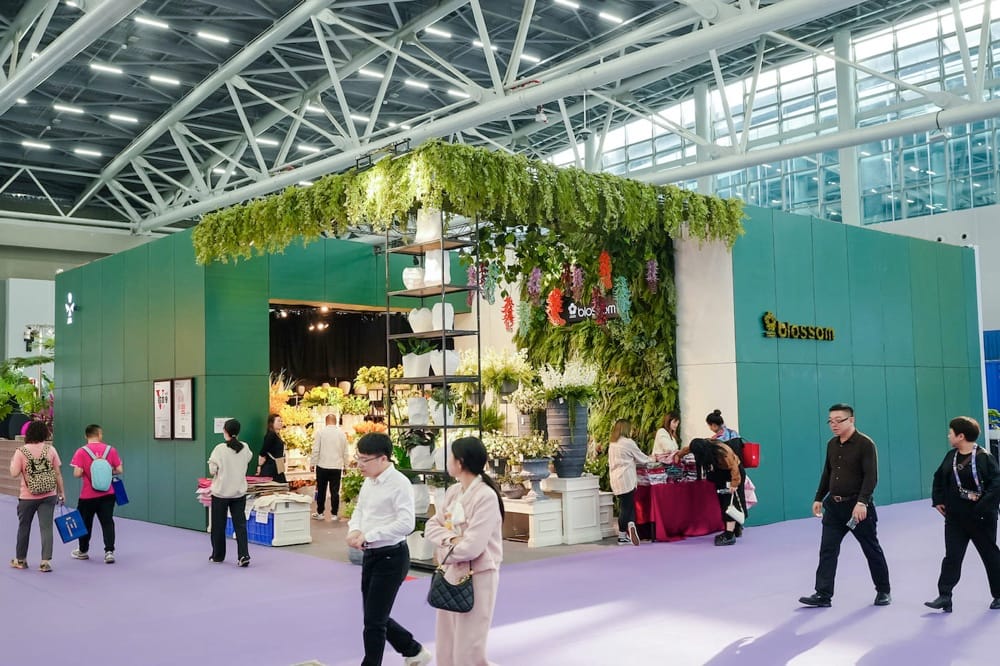
We encourage you to review 《Venue Guide: 2026 CIFF Guangzhou Furniture Halls & Maps》 for detailed information on navigating the exhibition.
See What Comes Next in Office Design
Explore the forefront of office design innovation and connect with global leaders at CIFF Guangzhou. Join us to discover the solutions that will shape your future workplace.
For partnership opportunities or to plan your visit, contact us at caoxw@cfte.com.
Frequently Asked Questions About Future Office Design
What trends are actually changing office design right now?
Hybrid work models top the list, pushing offices toward layouts that flex between focused solo work and team collaboration. Sustainability has moved from nice-to-have to expected, with biophilic design and low-impact materials becoming standard considerations. Smart office technology handles everything from lighting adjustments to space utilization tracking. And employee well-being now drives decisions about ergonomics, acoustics, and overall comfort. These shifts point toward offices that adapt to people rather than forcing people to adapt to fixed spaces.
How does CIFF Guangzhou help businesses find office solutions?
CIFF Guangzhou serves as the world’s largest home furnishing fair with an entire industry chain, offering unparalleled access to over 4,900 brands, including those specializing in cutting-edge office furniture and commercial solutions. Visitors can explore the latest designs, smart technologies, and sustainable materials, directly connecting with manufacturers and suppliers to source innovative products for their future office needs, making it a key event for the global furnishing industry.
What smart technologies show up in modern office design?
Modern office design incorporates smart technologies such as IoT-enabled furniture, intelligent lighting and climate control systems, advanced acoustic solutions, integrated AV equipment for seamless collaboration, and data analytics platforms to optimize space utilization. Sensors track which spaces get used and when, feeding data back into decisions about layout changes. These innovations enhance productivity, reduce operational costs, and improve the overall employee experience in the future office, contributing to more efficient and responsive environments.