


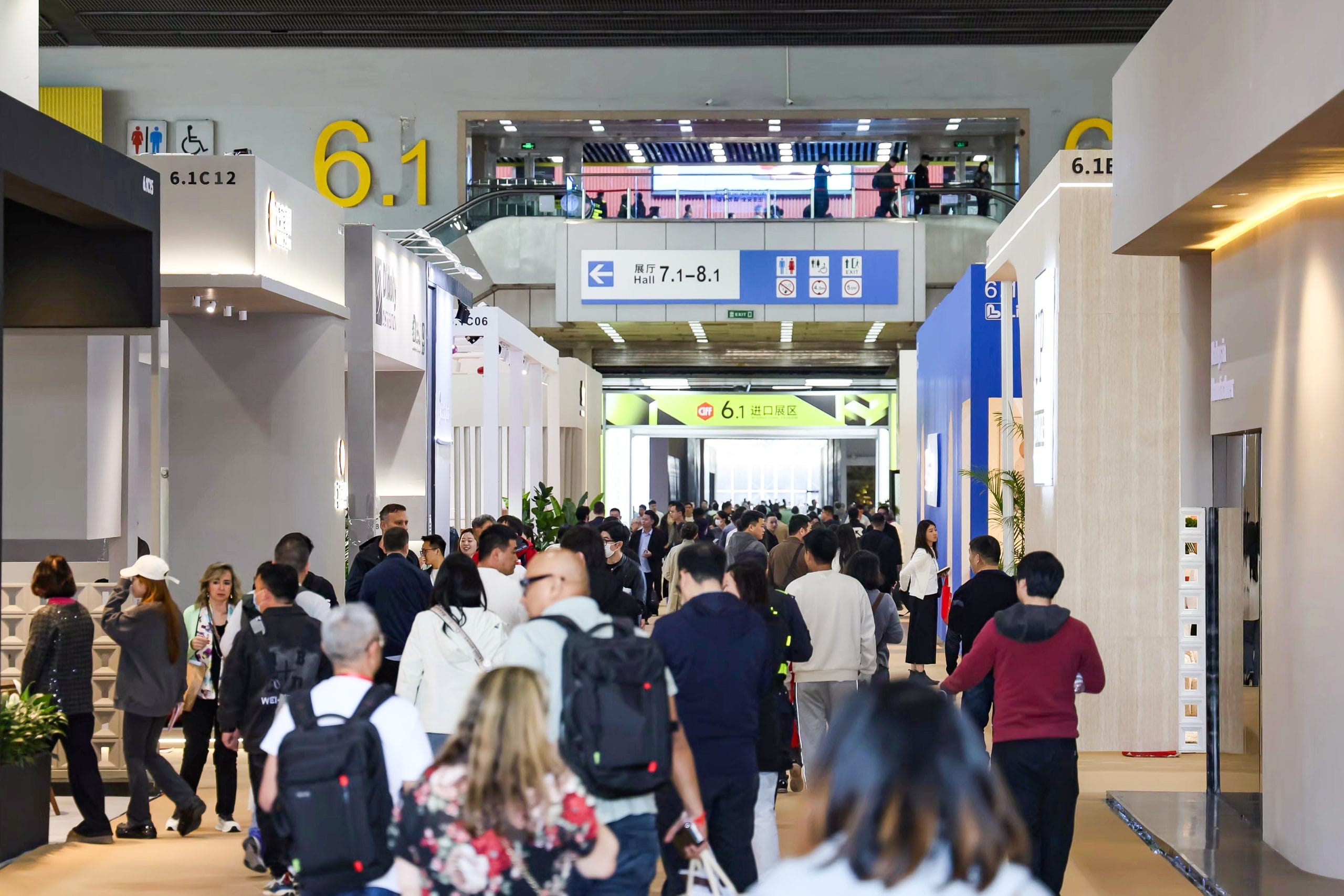
For furniture manufacturers, attending trade exhibitions like CIFF China International Furniture Fair goes well beyond mere sales generation. It is a strategic move to elevate brand reputation, broaden sales channels, analyze competitors and secure new business leads.
This article shares actionable strategies spanning pre-show preparation, on-site management and post-event follow-up.
1. Pre-Show Preparation
Prior digital marketing outreach
Publish exhibition previews leveraging SEO tactics and social platforms such as LinkedIn and Instagram. Build a dedicated event page on the official website and optimize it to gain visibility in Google search results.
Targeted outreach to existing clients
Trade shows create perfect face-to-face occasions to meet long-term partners and debut new products. Send formal invitations marked with booth numbers and exclusive discount offers.
Scheduled one-on-one negotiations
Reserve meeting slots with high-quality prospective buyers via email and social platforms ahead of time to facilitate focused business talks.
2. On-Site Operation
Booth layout design
Lifestyle scene presentation
Avoid displaying individual furniture pieces separately. Arrange products in simulated living room, study and bedroom spaces. Matching lighting and soft decor create appealing lifestyle scenes and help buyers resonate with the products.
Interactive experience zones
Set up craft demonstration areas and material touch panels, enabling visitors to examine wood panels, hardware accessories and surface finishing techniques firsthand.
Digital lead management
Exclusive QR code for each product
Affix unique QR codes to every new item. Visitors can scan to check detailed specs, 3D models and minimum order quantities, while their interest data gets recorded automatically.
Tiered lead classification
Sales personnel shall categorize visitors into distributors, interior designers and engineering contractors for targeted follow-ups.
3. Post-Event Follow-up
- Data sorting and entry within 24 hours
Input collected business cards and scan data into the CRM system. Eliminate invalid contacts and mark highly interested clients as high-priority leads. - Personalized thank-you emails within 48 hours
Draft customized messages referring to in-person conversations, and attach high-definition product photos as well as official quotations for favored items. - Retargeting marketing within one week
Deliver event recap videos through social media ads and email marketing to prospects who showed interest but did not place orders. - Long-term factory tour invitations
Invite promising wholesalers and agents to visit the manufacturing facility, so as to advance in-depth cooperation.

REGISTER NOW For FREE! :https://www.cifffurniturefair.com/the-57th-china-international-furniture-fair-guangzhou/
4. Extra Values Brought by Trade Shows
Exhibitions deliver far more benefits than closed deals:
- Competitor intelligence collection
Keep track of competitors’ latest design styles, pricing strategies and packaging solutions, and adjust internal product development plans accordingly. - Industry trend perception
Participate in concurrent industry forums to keep up with prevailing trends, including smart home integration, sustainable eco-friendly materials and elderly-oriented furniture design. - Supply chain partnership sourcing
Trade fairs serve as ideal venues to connect with high-quality upstream suppliers.
5. Key Performance Indicators for Result Assessment
Evaluate exhibition performance quantitatively with the metrics below:
| Indicator | Calculation Rule | Evaluation Purpose |
|---|---|---|
| Cost Per Lead (CPL) | Total exhibition cost ÷ Number of valid leads | Assess cost efficiency of exhibition investment |
| Inquiry Conversion Rate | Genuine inquiry volume ÷ Total acquired leads | Judge market competitiveness of products |
| Order Conversion Rate | Total signed contract value ÷ Overall exhibition expense | Calculate investment return (ROI) |
| Brand Exposure | Social media mentions & press coverage volume | Measure growth of brand influence |