

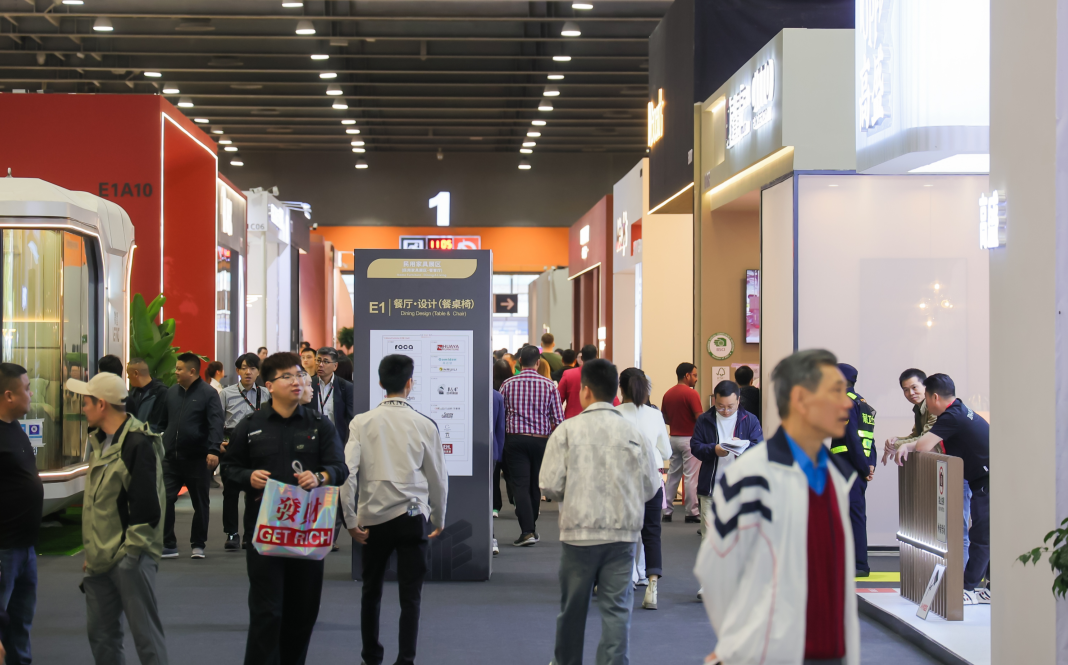
At the CIFF (China International Furniture Fair) exhibition, you can establish initial contact with furniture suppliers.
At the show, you can learn about the supplier’s selected samples, brochures, and other information, but the final success of the partnership requires further verification.
Click the link below to pre-register now and participate in CIFF 2026 immediately.
https://www.cifffurniturefair.com/the-57th-china-international-furniture-fair-guangzhou/
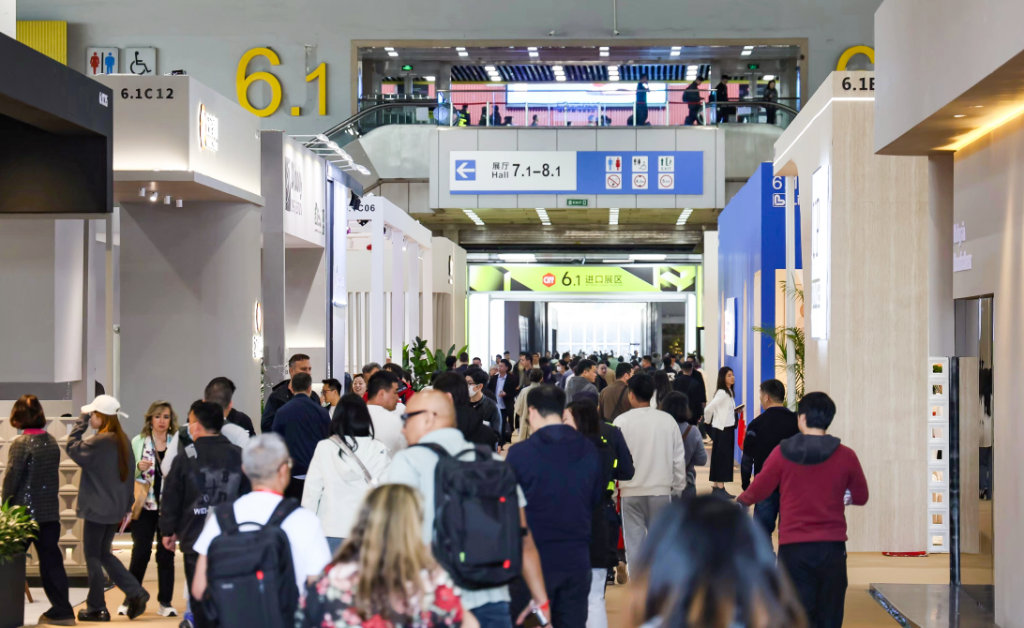
Since you cannot visit the factory in person, it is crucial to carefully evaluate a furniture supplier’s Quality Control (QC) system. Here are five key aspects for evaluating their QC system:
1. Certification
Firstly, you need to understand the quality system of the furniture supplier.
Ask: “What quality management system certifications has your factory obtained? For example, do you have ISO 9001 certification, and what is its validity period?” Generally, only products and brands that have obtained international authoritative certification are trustworthy—this is a prerequisite for business cooperation.
At the same time, professional certifications may be indispensable for the specific characteristics of the products you are sourcing. For example, BIFMA certification for furniture, FSC certification for wood, or CE/UL certification for products with electronic components are all extremely critical and cannot be overlooked.
2. Inspection Processes and Standards
After gaining a basic understanding of the furniture supplier’s international certifications, you also need to know in depth how they carry out actual quality control. This is because the overall quality and yield rate of the product have a deep relationship with the entire quality management system and philosophy.
Ask the supplier to describe: “What are the main stages of your QC process? For example, Incoming Quality Control (IQC), In-Process Quality Control (IPQC), and Final Quality Control (FQC).”
For these types of questions, excellent furniture suppliers will be able to clearly describe these three stages and will mention the detailed Inspection Standard Manuals or AQL (Acceptable Quality Limit) standards they follow.
In addition, the probability of non-conforming products is inevitable during production. You need to understand how they handle these non-conforming products, whether they have a dedicated isolation area and scrap procedure to prevent defective products from entering your final shipment.

3. Personnel and Equipment
Aside from the management system, the most critical factor in quality control is the people.
Ask: “What is the scale of your QC team? What is the ratio of QC staff to total production personnel?”
The size of the quality control team often reflects the factory’s rigor in controlling product quality. If a factory with over ten thousand workers only has a QC team of ten people, it demonstrates a neglect of the quality control department. Therefore, asking this type of question can help you evaluate the importance placed on the QC system.
Furthermore, professional product quality testing instruments are also very important for your products, such as fatigue testers, formaldehyde emission testing chambers, or color fastness testers.
4. External Oversight and Transparency
As a buyer, especially a major purchaser, you need to have a degree of oversight over the quality.
This is a critical question: “Do you allow international third-party inspection companies (such as SGS) to conduct inspections at different stages of production?”
The supplier’s attitude towards this question is very important—a willingness to accept external oversight demonstrates absolute confidence in their product quality.
5. Booth Detail Observation (Non-Verbal Observation at the Booth)
Finally, if you have arrived at the CIFF exhibition, you can inspect the products firsthand to indirectly evaluate the supplier’s quality consciousness.
For example, you can carefully examine the exhibits and observe the details of their craftsmanship, painting, and joint finishing. Pay attention to the certificates and inspection reports displayed at the booth.
Most importantly, asking the on-site sales personnel some complex and professional questions can help you understand the importance the company places on quality.
6. Join CIFF Official Business Matching Service
MATCHING CLICK 2 CONNECT
It allows exhibitors and buyers to discover potential partners based on specific needs, such as product categories, business scales, or market focuses, through intelligent matching algorithms.

Users can initiate conversations, share product catalogs, or schedule meetings virtually, breaking geographical and time barriers to lay the groundwork for in-depth cooperation.
MATCHING MEET 2 MATCH
CIFF “Meet 2 Match” refers to the IBC Matching service offered by the China International Furniture Fair (CIFF) to connect international buyers with exhibitors. It’s a precision matching project aimed at facilitating business connections during the CIFF Guangzhou event.