


The furniture industry keeps changing. New designs and materials push things forward, and what worked five years ago might feel dated now. Manufacturers face real pressure to keep up, but there’s also genuine opportunity for those willing to adapt. Sustainability matters more than ever, durability expectations have risen, and technology integration has moved from novelty to expectation. Staying competitive means understanding where things are headed.
What Drives Contemporary Furniture Design
Contemporary furniture design reflects how people actually live now. Modularity has become standard because living spaces change and people move more often. A sofa system that reconfigures for different rooms or life stages makes practical sense. Multi-functional pieces solve real problems in smaller apartments where every square foot counts.
Biophilic design keeps growing because people genuinely feel better surrounded by natural elements and organic patterns. This goes beyond aesthetics into measurable effects on mood and productivity. Ergonomic principles have matured too, moving past basic comfort into scientifically validated approaches to posture and long-term health.
Smart home integration has shifted from gimmick to genuine utility. Embedded wireless charging eliminates cable clutter. Ambient lighting controls built into furniture pieces create atmosphere without additional fixtures. These features reflect how consumers actually use their spaces rather than how designers imagine they should.
How Advanced Materials Change Manufacturing
Material science has transformed what furniture can be and do. Recycled plastics, bamboo composites, and rapidly renewable fibers now deliver performance that matches or exceeds traditional options. The environmental benefits come without the compromises that early sustainable materials often required.
High-performance alloys enable designs that would have been structurally impossible a decade ago. Slender profiles that look almost impossibly delicate can support substantial weight. Durable composites extend product lifecycles significantly, which matters both for sustainability claims and customer satisfaction.
Smart materials represent the next frontier. Self-healing surfaces that recover from minor scratches, integrated sensors that track usage patterns, temperature-responsive fabrics that adapt to body heat. These technologies remain emerging rather than mainstream, but they signal where the industry is headed.
Material Impact on Durability and Visual Appeal
Advanced materials reshape both how long furniture lasts and how it looks. Metal alloys with superior strength-to-weight ratios allow structures that appear delicate while handling real-world use. Bioplastics from renewable sources mold into shapes that traditional materials simply cannot achieve.
Design freedom expands considerably with these materials. Textures, colors, and forms that were previously impossible or prohibitively expensive become accessible. Products maintain their visual appeal longer because the materials resist wear patterns that age conventional furniture prematurely.
| Material Type | Durability Impact | Aesthetic Impact |
|---|---|---|
| Recycled Plastics | Moderate to High | Versatile colors, textures |
| Advanced Metal Alloys | High | Sleek, minimalist forms |
| Bioplastics | Moderate | Organic, customizable shapes |
| Durable Composites | Very High | Smooth, uniform surfaces |
Building Competitive Position Through Innovation
Sustained competitive advantage requires ongoing investment in research and development. One-time innovations get copied quickly. Continuous exploration of new design concepts and material applications creates distance from competitors that single breakthroughs cannot.
Product differentiation through unique aesthetics and superior functionality captures attention in crowded markets. Bespoke solutions that address individual preferences build loyalty that generic products cannot match. Companies that lead on innovation set expectations rather than chase them.
For more insights into the latest trends and innovations, consider exploring 《Don’t Miss Out: Register Now for CIFF 2026 Furniture Access》.
Design Directions Shaping Home Furnishings
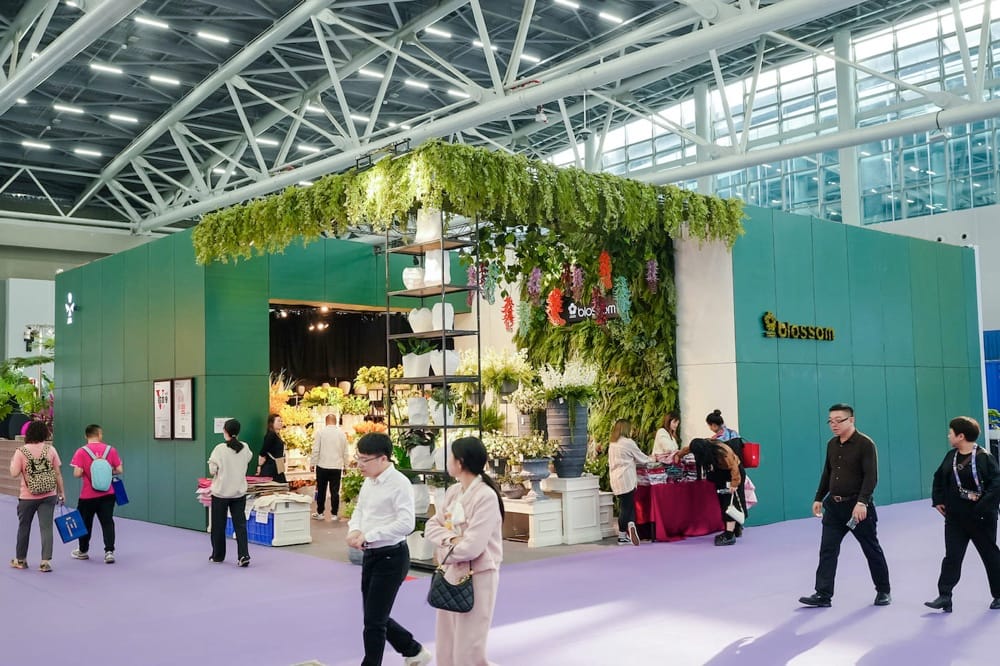
Several design directions are converging to reshape home furnishings. Modular systems that reconfigure as needs change address the reality that people’s lives evolve faster than their furniture purchases. Smart integration has moved beyond novelty into genuine utility.
Multi-functional designs maximize value in constrained spaces. A sofa bed with integrated storage solves three problems simultaneously. Biophilic elements and sustainable materials address both aesthetic preferences and environmental concerns. These directions prioritize practical benefits alongside visual appeal.
Manufacturing Technology and Production Efficiency
Manufacturing technology enables design and material innovation to reach market. Automation and robotics improve precision while reducing waste and labor costs. The consistency they provide matters for quality control at scale.
Additive manufacturing, particularly 3D printing, creates geometries and customized components that traditional methods cannot produce economically. Digital fabrication accelerates prototyping and enables mass customization that responds to individual customer requirements. These technologies connect design ambition to production reality.
Leveraging Advancements for Market Position
Businesses translate design and material advancements into market position through deliberate strategy. R&D investment must be sustained rather than sporadic. Supply chain optimization for advanced and sustainable materials requires ongoing attention rather than one-time fixes.
Collaborative models that bring together designers, material scientists, and technology providers accelerate development cycles. Consumer-centric design ensures that technical capabilities serve actual user needs rather than engineering interests. This comprehensive approach builds durable competitive position.
CIFF and Global Furniture Innovation
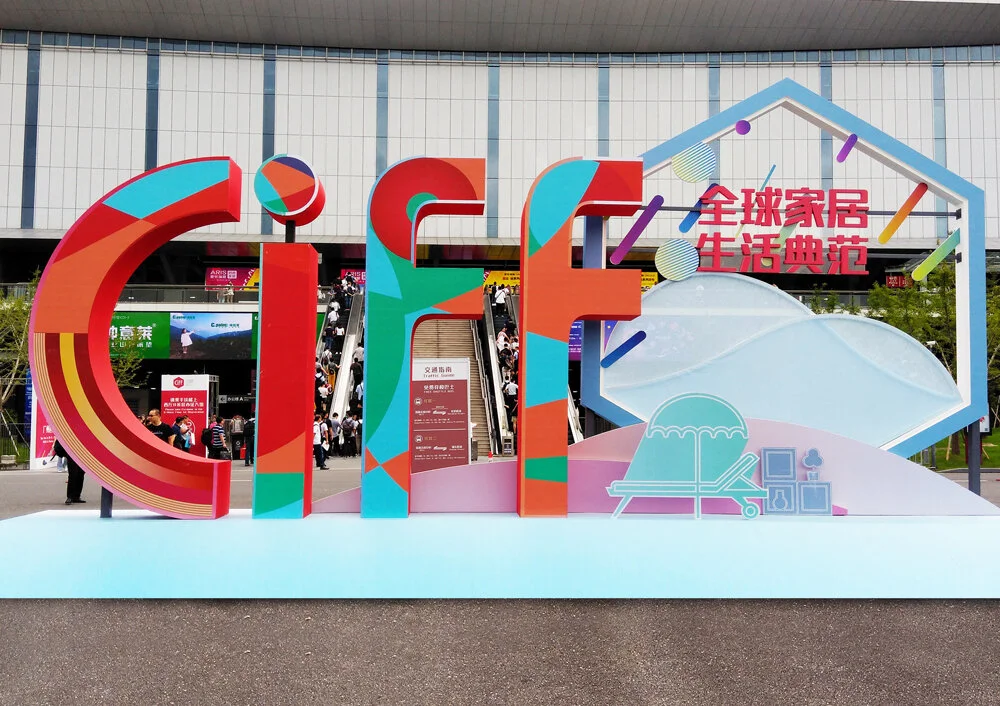
The China International Furniture Fair (CIFF) has become central to global furniture industry development since its founding in 1998. The fair now operates as the world’s largest home furnishing exhibition, covering the complete industry chain through annual events in Guangzhou and Shanghai, with recent expansion to Tianjin.
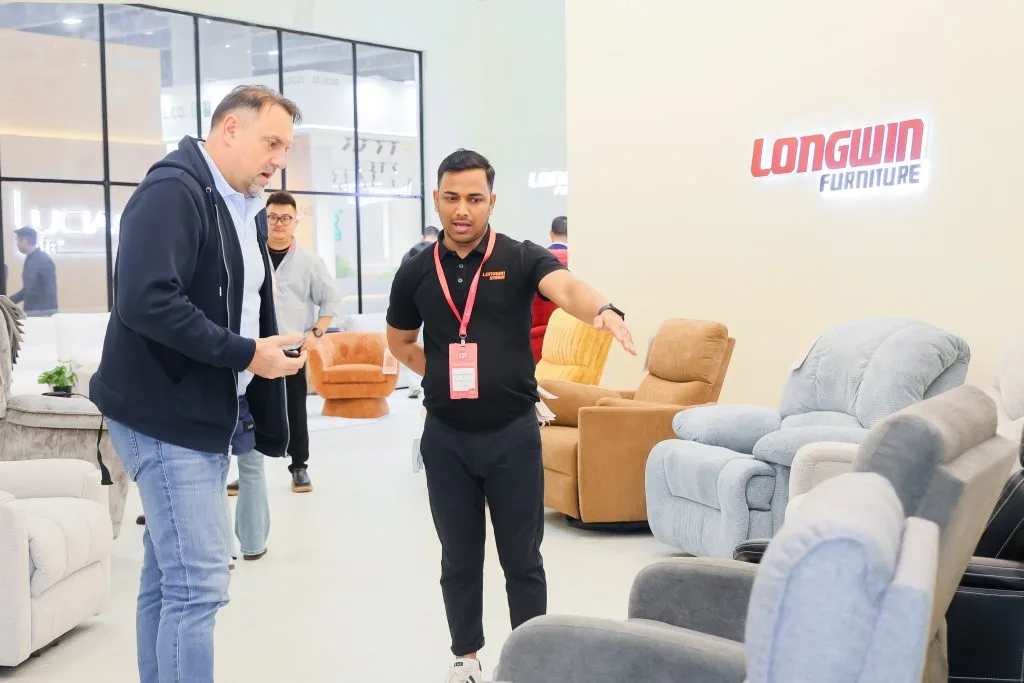
CIFF Guangzhou spans 850,000 square meters of exhibition space with over 4,900 brands, drawing more than 380,000 professional visitors from around the world. The platform facilitates international sourcing, trade relationships, and industry collaboration. The focus on design trends, intelligent manufacturing, trade promotion, and quality consumption positions CIFF as a significant force in advancing furniture design and material innovation globally.
Connect With Industry Leaders
The future of home furnishings takes shape through the connections and discoveries made at major industry events. Join industry leaders and innovators at the china international furniture fair (CIFF) to explore new designs, advanced materials, and strategic partnerships. Connect with us at caoxw@cfte.com for exhibition opportunities.
FAQs
What are the most significant design innovations showcased at CIFF?
ciff consistently features modular furniture systems, smart home integrated furnishings, biophilic design approaches, and multi-functional pieces designed for contemporary living. These innovations emphasize sustainability, user experience, and aesthetic flexibility, establishing benchmarks for the global furniture industry.
How does CIFF facilitate the adoption of advanced materials in furniture manufacturing?
ciff connects manufacturers with advanced material sources, from sustainable composites and recycled plastics to innovative textiles and smart finishes. The fair brings material suppliers and furniture producers together, enabling collaborations that speed the integration of new materials into product lines and improve durability, sustainability, and market appeal.
What competitive advantages do exhibitors gain by presenting innovative designs and materials at CIFF?
Exhibitors at ciff reach a global audience of buyers, designers, and industry professionals. Presenting innovative designs and advanced materials establishes brand leadership, attracts strategic partnerships, and generates direct market feedback. These benefits translate into increased sales, stronger brand recognition, and meaningful competitive advantage in the furniture market.