


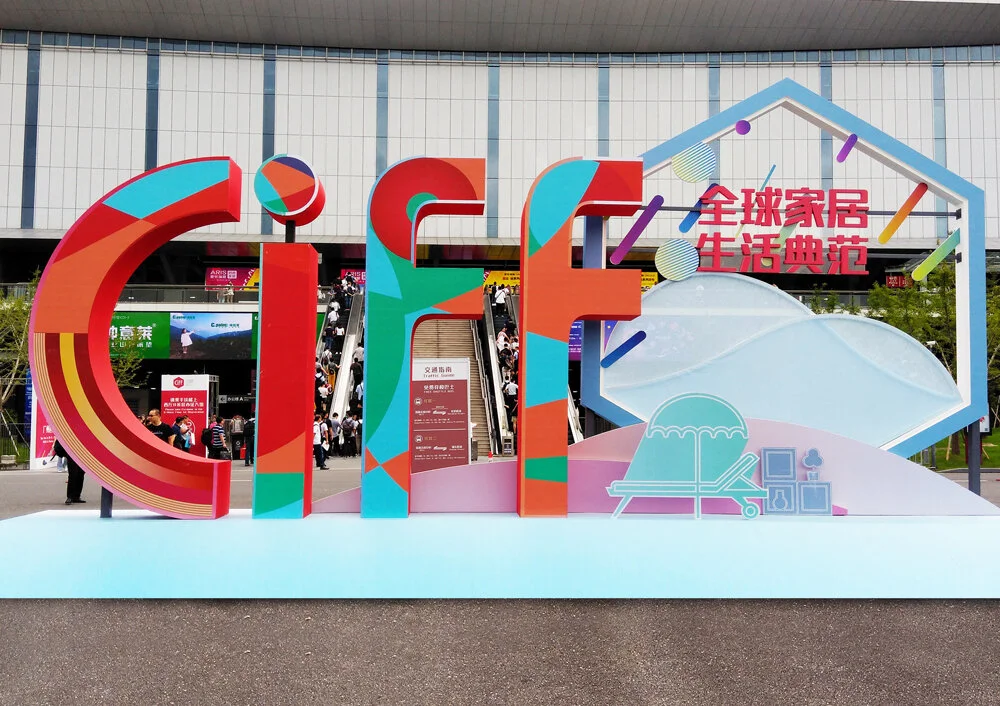
Smart furniture brands looking to break into global markets face a simple reality: visibility matters, and few platforms deliver it at the scale CIFF does. With 850,000 square meters of exhibition space, over 4,900 brands, and more than 380,000 professional visitors from 200+ countries, the China International Furniture Fair functions as a concentrated marketplace where design trends, manufacturing capabilities, and trade relationships converge. For brands in the smart furniture space, the question isn’t whether to participate—it’s how to extract maximum value from the investment. That means thinking beyond the booth itself and building a strategy that starts months before the fair opens and continues long after the last visitor leaves.
Pre-Show Marketing Sets the Foundation for CIFF Smart Furniture Success
Early engagement separates brands that generate meaningful leads from those that blend into the background. CIFF attracts a diverse professional audience—buyers, distributors, designers, and manufacturers—each with different priorities and timelines. Reaching them before the event creates familiarity and intent, which translates to higher-quality booth traffic.
Digital Channels Drive Targeted Visitor Traffic
Digital platforms form the backbone of effective CIFF exhibitor promotion. A multi-channel approach reaches different audience segments where they already spend time.
Email marketing remains one of the most direct methods for announcing participation and highlighting specific smart furniture innovations. Segmented campaigns that address different buyer profiles—retail buyers versus hospitality procurement teams, for example—tend to outperform generic announcements.
Social media trade show strategies work best when they focus on platforms where B2B conversations actually happen. LinkedIn offers the most concentrated audience of professional buyers and decision-makers in the furnishing industry. Content that demonstrates product functionality or shares behind-the-scenes preparation generates more engagement than purely promotional posts.
Influencer collaborations can amplify a smart furniture launch, particularly when partnering with industry voices who have credibility within specific market segments. The key is selecting partners whose audience aligns with your target buyers rather than chasing follower counts.
CIFF’s official digital channels and exhibitor portals provide additional visibility. These platforms attract visitors who are actively planning their fair experience, making them high-intent audiences worth prioritizing.
Compelling Narratives Differentiate Smart Furniture Brands
Effective smart furniture storytelling moves beyond feature lists to explain why those features matter. In a market where multiple brands offer similar technical capabilities, the narrative around your products becomes a competitive advantage.
Press releases announcing your product innovation showcase and CIFF participation should focus on what’s genuinely new or different. Journalists and editors receive hundreds of these announcements—specificity and newsworthiness determine whether yours gets coverage.
Thought leadership content positions your brand within broader smart home technology market trends. Articles and whitepapers that address industry challenges or emerging opportunities demonstrate expertise beyond your own product line.
Visual content carries particular weight for smart furniture. High-quality videos demonstrating functionality help buyers understand products they haven’t yet experienced in person. Images that show products in realistic settings—not just isolated product shots—help buyers envision applications.
Targeted messaging that speaks to specific buyer segments attending CIFF outperforms generic brand statements. A hospitality buyer cares about durability and maintenance; a residential retailer cares about consumer appeal and margin potential. The same product requires different framing for each audience.
Booth Experience Design Converts Attention Into Engagement
The physical booth experience at CIFF determines whether pre-show interest translates into meaningful conversations. An interactive booth design transforms passive viewing into active participation, which creates stronger memories and clearer purchase intent.
Interactive Demonstrations Showcase Smart Technology Integration
Interactive demonstrations are where smart furniture brands have a natural advantage over traditional furniture exhibitors. The “smart” element only becomes real when buyers experience it firsthand.
Hands-on displays that allow visitors to interact directly with smart furniture pieces create engagement that static displays cannot match. When a buyer adjusts a motorized desk, controls lighting through an integrated system, or experiences voice-activated features, they understand the product in a way that brochures never communicate.
VR furniture experiences offer opportunities to showcase product customization or integration into different home settings. This technology works particularly well for products that require context—showing how a smart furniture piece functions within a complete smart home ecosystem, for example.
IoT furniture demonstrations should clearly illustrate how products integrate into broader smart home ecosystems. Buyers increasingly evaluate smart furniture based on compatibility with existing platforms and protocols. Demonstrating this integration removes a common purchase barrier.
Scheduled presentations highlighting key features and benefits create predictable moments for deeper engagement. Short, focused presentations—ten to fifteen minutes—work better than lengthy sessions that lose audience attention.
Strategic Booth Layout Maximizes Visitor Flow
A well-planned exhibition booth layout enhances visitor experience and maximizes brand visibility at CIFF. Strategic placement of products and interactive zones determines how effectively you capture and hold attention.
Clear pathways that guide visitors through your smart furniture display create a natural progression from initial interest to deeper engagement. Layouts that trap visitors or create congestion generate frustration rather than sales conversations.
Positioning your most innovative smart furniture pieces in prominent, easily accessible areas ensures they receive maximum exposure. Products that require explanation or demonstration should be placed where staff can easily engage visitors without blocking traffic flow.
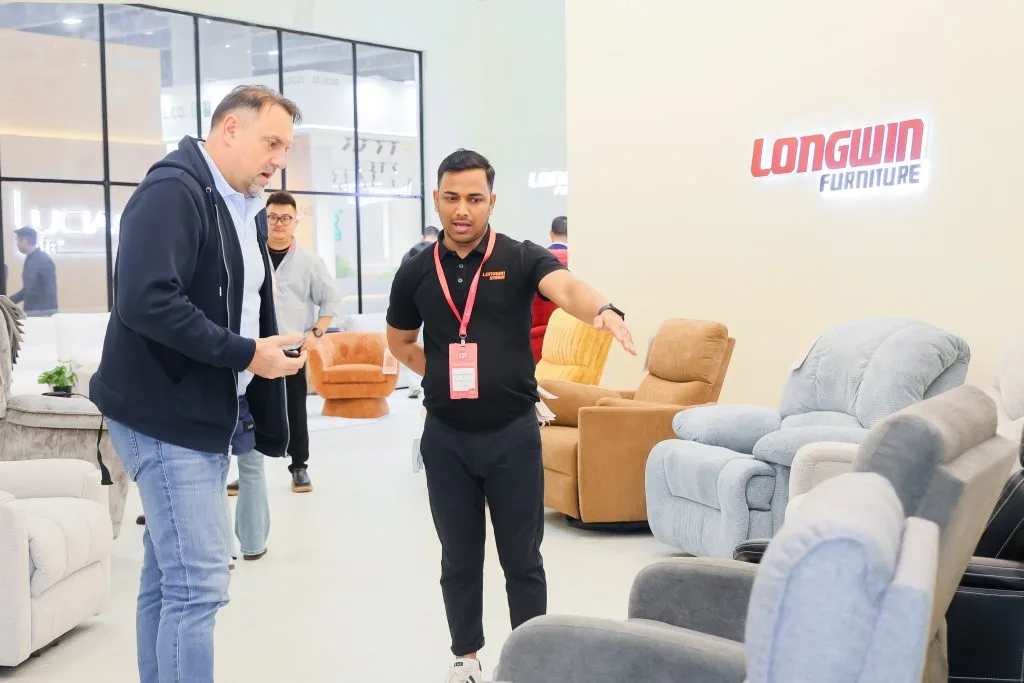
Comfortable zones where visitors can experience smart furniture in a relaxed setting serve multiple purposes. They demonstrate product comfort, create opportunities for longer conversations, and provide a respite from the crowded fair environment—which visitors appreciate.
Clear signage and accessible staff ensure visitors can quickly find information and answers. At a fair the size of CIFF, visitors make rapid decisions about which booths deserve their time. Confusion or difficulty getting questions answered pushes them toward competitors.
For those planning their visit, understanding the layout of the exhibition halls can significantly enhance your experience. We recommend reviewing the 《Venue Guide: 2026 CIFF Guangzhou Furniture Halls & Maps》 to navigate the extensive CIFF grounds effectively.
Post-Show Marketing Converts CIFF Contacts Into Revenue
The conclusion of CIFF marks the beginning of critical post-show marketing efforts. Leads collected at the fair represent concentrated interest—but interest fades quickly without follow-up. Effective post-show strategies capitalize on the momentum generated during the event.
Integrated Marketing Extends Exhibition Impact
A comprehensive post-show strategy involves integrated marketing furniture approaches that maintain engagement across multiple touchpoints.
Prompt follow-up matters more than most exhibitors realize. Implementing a rapid lead nurturing furniture process for all collected contacts—ideally within 48 to 72 hours—captures attention while your brand remains fresh in buyers’ minds. Delays of a week or more significantly reduce response rates.
Personalized communication based on visitor interactions at your booth demonstrates attention and professionalism. Generic follow-up emails that could apply to any visitor signal that you didn’t value the conversation. Specific references to products discussed, questions raised, or interests expressed create continuity.
Post-show content that shares summaries of innovations, fair highlights, and future plans keeps your brand visible to contacts who aren’t ready for immediate purchase decisions. Some buyers need multiple touchpoints over months before they’re ready to move forward.
CRM for exhibitors provides the infrastructure for managing leads and tracking interactions effectively. Without systematic tracking, valuable contacts fall through the cracks and follow-up becomes inconsistent.
Structured Lead Conversion Processes Drive Results
Converting leads generated at CIFF requires a structured sales funnel optimization process. Random follow-up produces random results; systematic approaches produce predictable smart furniture sales conversion.
Lead qualification based on clear criteria helps prioritize effort. Not every contact collected at CIFF represents equal opportunity. Distinguishing between serious buyers, early-stage researchers, and casual visitors allows appropriate resource allocation.
A systematic follow-up cadence ensures consistent communication without overwhelming contacts. Multiple touchpoints over weeks or months—varying in format and content—maintain presence without creating fatigue.
Providing detailed product specifications, pricing, and ordering information promptly removes friction from the purchase process. Buyers who have to chase information often move on to competitors who make purchasing easier.
Relationship building that focuses on long-term customer relationships rather than just immediate sales creates sustainable business growth. Some of the most valuable relationships from CIFF develop over multiple fair cycles before generating significant orders.
Measuring Success Guides Future CIFF Smart Furniture Strategy
Understanding the return on investment from your CIFF participation is vital for future planning. Analytics provide insights into what worked, what didn’t, and where to adjust strategy for subsequent events.
Pre-Show and Post-Show Marketing Create Holistic Exhibition Strategy
Pre-show and post-show marketing form a holistic exhibition strategy that extends brand impact far beyond the event dates. Without these phases, the full potential of CIFF business growth cannot be realized.
Pre-show marketing generates initial interest, drives booth traffic, and sets expectations. It also allows you to schedule meetings in advance with priority contacts, ensuring that your most valuable time at the fair is spent productively.
Post-show marketing converts leads, nurtures relationships, and reinforces brand messaging. It transforms a three-day event into months of sustained engagement with potential customers.
An integrated approach ensures a seamless brand experience from initial contact to conversion. Buyers who encounter consistent messaging and professional follow-up develop confidence in your organization’s capabilities.
This approach contributes to sustained market presence and smart furniture market insights that inform product development and positioning decisions.
CIFF’s Global Platform Enables Market Expansion
CIFF offers unparalleled international trade opportunities for smart furniture brands. Its global platform facilitates market entry strategy and partnership development furniture in ways that smaller regional events cannot match.
International exposure to buyers and partners from over 200 countries and regions creates opportunities that would otherwise require extensive travel and relationship building. A single CIFF participation can generate contacts across multiple target markets simultaneously.
CIFF networking benefits extend beyond direct sales opportunities. Strategic alliances with distributors, manufacturers, and complementary brands often emerge from fair connections.
Market intelligence gained at CIFF—observing competitor offerings, hearing buyer feedback, identifying emerging design trends—informs strategic decisions throughout the year.
Smart furniture export opportunities become more accessible when buyers can experience products firsthand and establish relationships with brand representatives.
| Metric | Description | Target (Example) |
|---|---|---|
| Leads Generated | Number of qualified contacts collected | 500+ |
| Conversion Rate | Percentage of leads converted to sales | 10% |
| Media Mentions | Number of press articles/social media mentions | 20+ |
| Website Traffic (Post) | Increase in website visits after CIFF | 25% increase |
| Partnership Inquiries | Number of potential collaboration discussions | 15+ |
If you are an interior designer looking to make the most of your visit, we highly recommend reading 《Guide for Interior Designers Attending CIFF 2026》. This resource offers valuable insights tailored to your professional needs.
Strategic Planning Determines CIFF Smart Furniture Outcomes
Maximizing exposure for smart furniture at CIFF requires a comprehensive strategy encompassing pre-show anticipation, engaging booth experiences, and diligent post-show follow-up. CIFF’s role as a pivotal platform for smart furniture innovation and global business reflects the fair’s position at the center of industry activity. By leveraging strategic exhibition planning, brands can achieve significant CIFF smart furniture success that contributes to sustainable growth and market expansion.
Connect With Global Smart Furniture Leaders at CIFF
CIFF provides a concentrated opportunity to connect with a global network of industry leaders in smart furniture. The fair’s scale and reach create possibilities for growth and partnership development that few other platforms can match. To explore how CIFF can amplify your market reach and foster strategic partnerships, contact our exhibitor relations team at caoxw@cfte.com or visit our official website for upcoming event details.
Frequently Asked Questions about Maximizing Smart Furniture Exposure at CIFF
How can smart furniture exhibitors effectively attract visitors at CIFF?
Effective attraction at CIFF involves coordinated effort across multiple channels. Pre-show digital campaigns targeting specific buyer profiles build awareness and intent before the fair opens. An interactive booth experience with live smart furniture demonstrations creates reasons for visitors to stop and engage. CIFF’s official promotional channels reach visitors actively planning their fair experience. Industry influencer partnerships extend reach to niche audiences. Highlighting unique IoT furniture applications and design trends differentiates your booth from competitors offering similar product categories.
What are the best marketing strategies for smart furniture brands participating in a major trade fair like CIFF?
Optimal marketing strategies for smart furniture brands at CIFF blend digital and physical tactics across the entire exhibition cycle. Comprehensive pre-show content marketing establishes expertise and generates interest. Engaging social media campaigns maintain visibility and create shareable moments. Immersive booth experiences showcasing smart home technology create memorable interactions. Targeted PR efforts generate media coverage that extends reach beyond fair attendees. Robust post-show lead nurturing via email marketing and personalized follow-ups converts interest into revenue. The common thread is demonstrating the practical benefits of smart functionality rather than simply listing technical specifications.
Why is pre-show and post-show marketing crucial for maximizing smart furniture exposure at CIFF?
Pre-show marketing builds anticipation, drives targeted traffic to your smart furniture booth, and sets the stage for meaningful interactions. Without it, you’re competing for attention with thousands of other exhibitors among visitors who have no prior awareness of your brand. Post-show marketing is vital for converting leads generated at CIFF into tangible sales and fostering long-term relationships. Leads without follow-up represent wasted investment—the contacts exist, but the business opportunity evaporates. Without these phases, the significant investment in exhibiting smart furniture at CIFF may yield limited ROI, missing opportunities for sustained brand visibility and market penetration.