


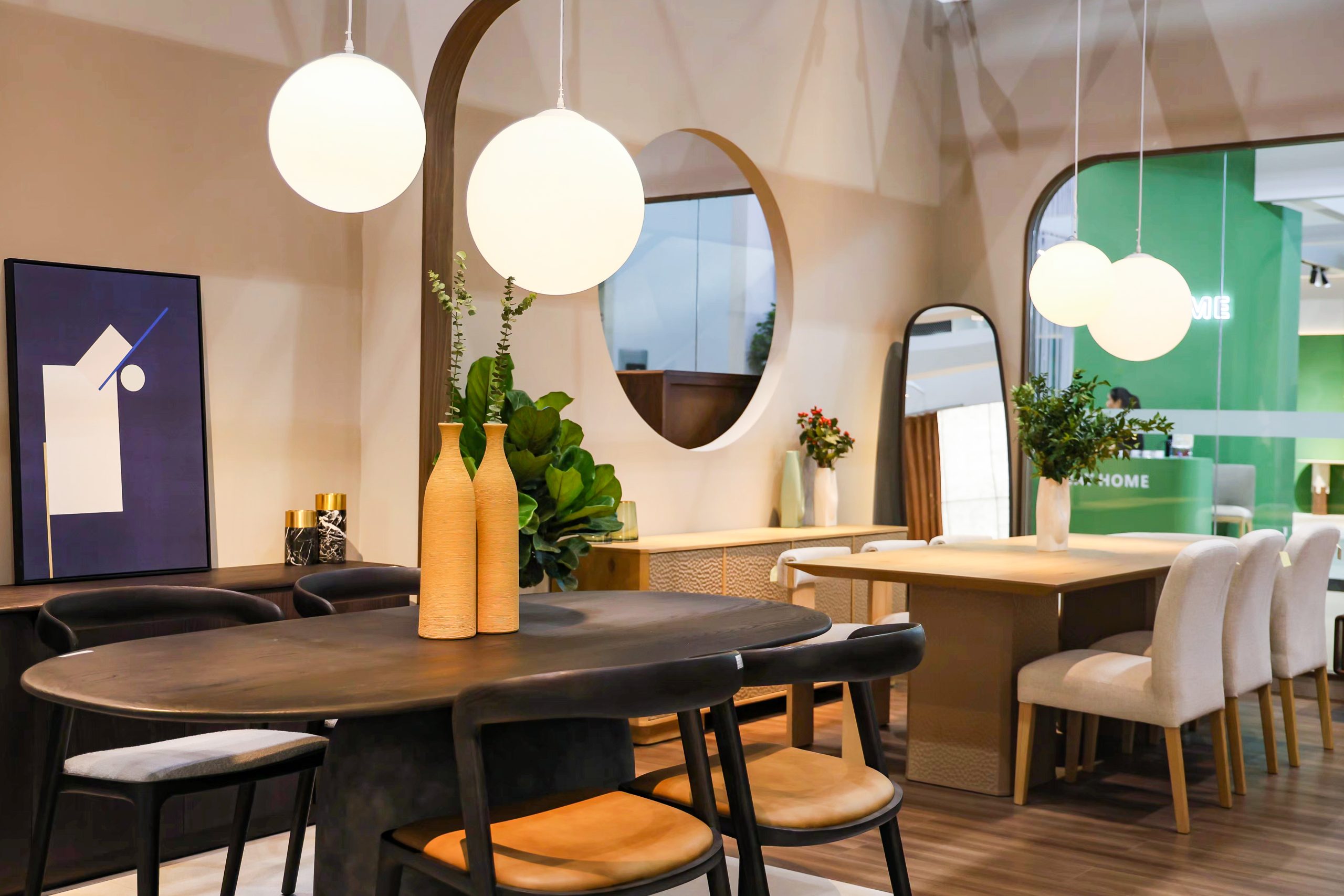
Wandering through the aisles of CIFF Guangzhou 2026, a casual visitor might only be captivated by the exquisite designs. However, for a truly seasoned furniture buyer, there is a profound depth of technical expertise hidden behind every solid wood dining table.
As global environmental regulations tighten in 2026, the sourcing standards for Chinese solid wood furniture have undergone a massive evolution. Drawing on over a decade of deep-rooted expertise in furniture manufacturing, I have compiled this essential procurement guide.
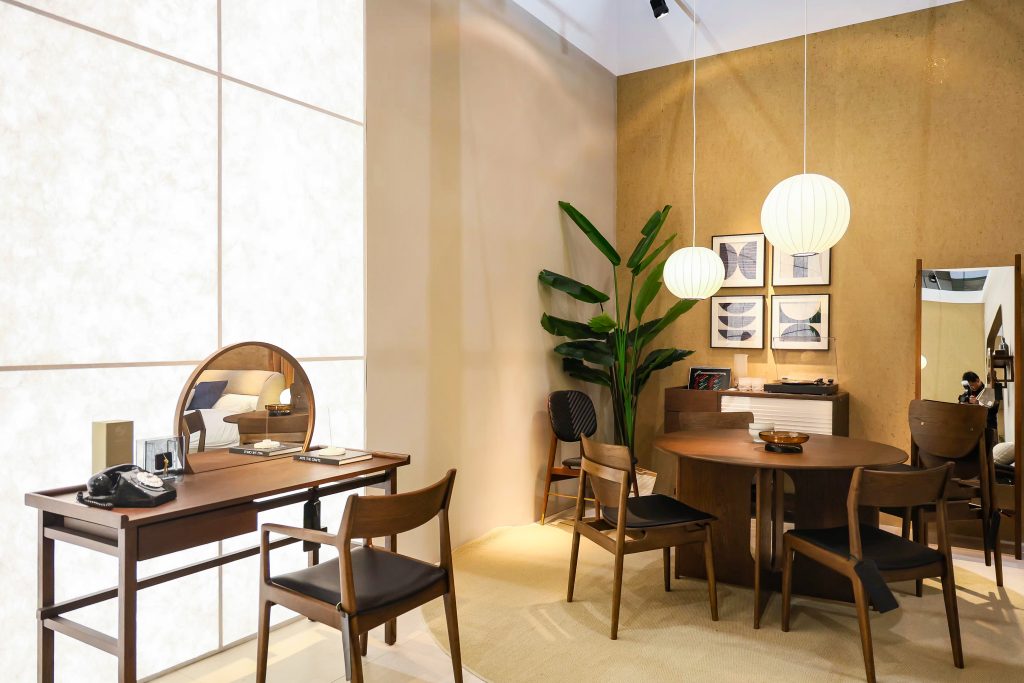
I. Physical Safety and Environmental Compliance: From “Selling Point” to “Entry Permit”
In 2026, if a brand intends to enter the European market, environmental compliance is already a legal red line. Buyer inspections now require full life-cycle compliance.
- Authoritative Certification Systems: ENF Grade (China’s highest environmental standard) and FSC/PEFC (Forest Sustainability Certification). For the North American market, products must comply with TSCA Title VI; for Europe, they must meet REACH regulations.
- Full-Chain Traceability: Professional buyers are now more willing to pay a premium for products with transparent sourcing. Therefore, manufacturer investment in this area is beneficial for long-term brand development. This includes timber harvesting permits, factory processing records, and GREENGUARD Gold (Indoor Air Quality) coating reports.
- Material Authenticity: Materials must be 100% authentic, with strict definitions between Solid Wood, Solid Wood Veneer, and Wood-Based Panels.
II. Preventing Cracking and Deformation Caused by Moisture Content
Due to massive global climate variations, international furniture buyers look beyond the value of the wood species itself to the manufacturer’s ability to control Equilibrium Moisture Content (EMC).
Products featuring a “Vacuum Kiln Drying + Minimum 30-day Conditioning” process will be more favored. For export products, moisture content must be set differentially based on the climate of the target market to prevent expansion or deformation after a period of use.
III. Aesthetic Context and Style Evolution: The Intersection of Minimalism, Culture, and Function
Market indicators for 2026 show that global buyers are seeking designs with “emotional value.”
- Organic Minimalism: The current mainstream aesthetic favors “less is more,” highlighting the natural grain of the wood and reducing artificial intervention to showcase the material’s texture.
- Lightweighting and Cross-Border Compatibility: For e-commerce channels, the focus is on RTA (Ready-to-Assemble) structures. The current design challenge is how to achieve high container loading rates and a convenient assembly experience while maintaining the tactile quality of solid wood.
IV. Species Strategy and Cost Calculation: The Golden Ratio of Price-Performance
Buyers no longer blindly pursue rare wood species; instead, they seek a balance between stability and profit margins.
- Premium Line: North American Black Walnut and Cherry. These target high-net-worth individuals, using unique grain aesthetics to create high value-added premiums.
- Mainstream Line: Ash and Oak. Due to their stable physical properties and excellent staining capabilities, they remain the most widely accepted “evergreens” in the market.
- New Solid Wood Trend: Solid Wood Veneer (Veneered Solid Wood) is seeing an explosion in growth. Its core value lies in “the visual appeal of solid wood + the stability of engineered panels,” with costs 15%-30% lower than full solid wood, significantly easing competitive pressure for retailers.
V. Scenarios and Niche Segments: From Single Items to “Ecosystems”
Purchasing decisions are shifting from “buying a piece of furniture” to “buying a living space.”
- Whole-House Solid Wood Suites: Emphasizing integrated designs for the living room, dining room, and bedroom to increase Average Order Value (AOV) through highly unified styles.
- Functional Upgrades: Focusing on smart integration within solid wood furniture. For example, solid wood nightstands with wireless charging or height-adjustable solid wood desks are performing exceptionally well in the youth market.
- High-Growth Niches: Age-friendly solid wood (with power-assisted support and rounded safety corners) and children’s solid wood (eco-friendly, non-toxic, and height-adjustable). These segments demonstrate strong anti-cyclical capabilities in 2026.
VI. Delivery Capacity and Digital Supply Chain: The Moat of Long-term Cooperation
In the highly volatile landscape of international trade, delivery stability is the primary indicator for buyers when selecting suppliers.
Buyers look beyond samples to a factory’s Overall Equipment Effectiveness (OEE), real-time monitoring of drying line data, and digital traceability of Quality Control (QC) processes.
- Flexible Production: Factories capable of supporting “small-volume, multi-batch, rapid-response customization” are most favored by cross-border traders.
- Price-Performance Transparency: In 2026, gross margins in the furniture manufacturing industry are becoming transparent (generally between 8%-15%). In this high-transparency environment, the real competition lies in a factory’s full-chain cost control and economies of scale.