


The furniture industry is waking up to something that has been quietly reshaping households for years. More people are living longer, and their homes need to work differently. This is not a niche concern anymore. It is becoming one of the defining forces in how furniture gets designed, manufactured, and sold. CIFF Guangzhou has positioned itself at the center of this shift, creating space for the kind of innovation that actually matters to aging populations worldwide.
Why the Aging Population Changes Everything for Furniture
The numbers tell a clear story. Seniors are not just a growing demographic. They are an economically active one, spending real money on home furnishings that fit their changing needs. The so-called silver economy is not a future trend. It is already here, and it is substantial.
What makes this market different from general furniture demand is the specificity of what seniors actually need. Comfort matters more. Safety becomes non-negotiable. Accessibility features that younger buyers might overlook become essential. Global furniture market trends reflect this shift, with manufacturers increasingly prioritizing products that address these requirements.
The projections suggest this is not a temporary wave. The senior population will continue growing for decades, which makes this segment one of the most stable long-term opportunities in the industry.
Design Principles That Actually Work for Seniors
Good elderly-friendly furniture starts with universal design principles. The goal is creating products that work for everyone, regardless of physical ability or age. This sounds simple, but it requires rethinking assumptions that have guided furniture design for generations.
Ergonomics for seniors focuses on reducing strain and supporting natural posture. This means different seat heights, different armrest positions, and different back support than what works for younger users. Safety features like integrated grab bars and non-slip surfaces are becoming standard rather than optional add-ons.
Design for dementia care adds another layer of complexity. Clear sightlines and reduced visual clutter help support cognitive function. Assistive furniture design, including lift chairs and adjustable beds, addresses physical limitations directly. The materials matter too. Plush yet supportive surfaces provide comfort without compromising the ability to stand up independently.
Getting the Details Right in Senior Furniture Design
The specifics of designing furniture for the elderly involve multiple overlapping considerations. Safety features include rounded edges and stable construction that prevents tipping. Mobility aids furniture, like chairs with armrests positioned to provide leverage, makes the difference between independence and needing help to stand.
Adaptive furniture technology allows for adjustable heights and configurations. This flexibility accommodates the reality that physical needs change over time, sometimes significantly. Material selection prioritizes durability, ease of cleaning, and hypoallergenic properties. Seniors often have more sensitive skin and may be more vulnerable to allergens.
The aesthetic dimension matters more than some manufacturers realize. Functional pieces that look institutional undermine dignity. The best elderly-friendly furniture blends seamlessly into modern living spaces, supporting independence without broadcasting disability.
How Smart Technology Is Transforming Senior Furniture
Technology integration is changing what furniture can actually do. Smart furniture for the elderly incorporates sensors and IoT capabilities that go far beyond convenience features. Connected home furnishings can track vital signs, detect falls, and send alerts to caregivers. This is not theoretical. These products exist and are improving rapidly.
Smart beds represent one of the most developed categories. They can automatically adjust positions to prevent pressure sores, a serious health concern for seniors with limited mobility. They can also assist with entry and exit, reducing fall risk during one of the most dangerous daily activities for older adults.
Health monitoring furniture offers something that was impossible a generation ago. Discreet, continuous data collection supports proactive health management. Instead of waiting for problems to become emergencies, caregivers and healthcare providers can spot concerning patterns early.
The real value here is not the technology itself. It is the independence these innovations preserve. Seniors can live safely in their own homes longer, which is what most of them want.
CIFF Guangzhou and the Global Elderly Furniture Market
CIFF Guangzhou has established itself as the primary global platform for furniture manufacturing innovations, and the elderly-friendly segment has become increasingly prominent. As the world’s largest home furnishing fair, CIFF brings together manufacturers, international buyers, and designers in ways that smaller regional events cannot match.
The exhibition includes dedicated areas for senior living solutions, reflecting how seriously the organizers take this market segment. For manufacturers looking at exporting elderly furniture, the networking opportunities and exposure to global furnishing industry trends are difficult to replicate elsewhere.
What makes CIFF Guangzhou particularly valuable is the concentration of decision-makers. Trade promotion and quality consumption in specialized sectors like elderly-friendly furniture benefit from having buyers and sellers in the same space, able to examine products directly and discuss specifications in detail.
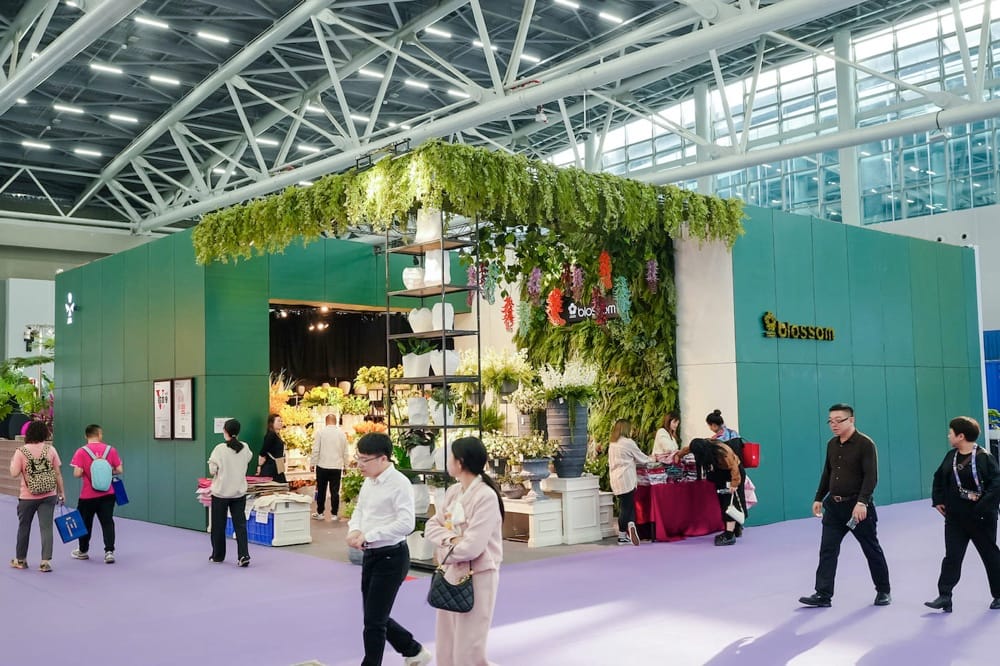
!CIFF Guangzhou Exhibition Hall
 ### Reaching Senior Consumers Effectively
Manufacturers who want to succeed with the aging demographic need different approaches than they use for general furniture markets. Retail strategies for seniors require understanding how this group actually shops and what influences their decisions.
Marketing to seniors furniture works best when it focuses on tangible benefits. Comfort, safety, and independence resonate more than aesthetic trends or lifestyle positioning. The messaging should be straightforward rather than clever.
Distribution channels matter significantly. Specialized retailers and healthcare providers often have more credibility with senior buyers than general furniture stores. These channels also provide opportunities for consultation and customization that seniors often need.
Platforms like CIFF Guangzhou offer direct access to this demographic through the buyers and retailers who serve them. The market intelligence available at the fair helps manufacturers understand what is actually selling and what gaps remain unfilled.
Where Elderly Furniture Design Is Heading
Two trends are shaping the future of this category. Sustainable senior furniture reflects broader environmental concerns, with growing emphasis on recycled and responsibly sourced materials. Seniors, like other consumers, increasingly care about the environmental impact of their purchases.
Custom elderly furniture represents the other major direction. Personalized designs that meet specific individual needs are becoming more feasible as manufacturing technology improves. The one-size-fits-all approach that dominated furniture production for decades is giving way to more tailored solutions.
Emerging materials and manufacturing processes are enabling products that are simultaneously durable, lightweight, and environmentally conscious. This combination was difficult to achieve with traditional methods but is becoming standard in advanced manufacturing.
Navigating International Markets for Elderly Furniture
The global furniture trade for elderly-friendly solutions involves complexities that domestic markets do not. International regulations and certification requirements vary significantly by region. What passes safety standards in one country may need modification for another.
Strategic market entry planning is essential. North America and Europe represent significant opportunities because of their aging populations and high purchasing power. But Asian markets, particularly those with rapidly aging demographics like Japan and South Korea, offer substantial growth potential as well.
Leveraging global platforms like CIFF for business growth provides advantages in market analysis for elderly furniture. Manufacturers can identify key export markets, understand competitive positioning, and find distribution partners more efficiently than through individual market research.
Technology Integration in Modern Elderly Furniture
The specific technologies being integrated into elderly-friendly furniture continue to evolve. Advanced sensor technology enables fall detection and activity monitoring without requiring seniors to wear devices or remember to activate systems. The furniture itself becomes the monitoring platform.
IoT furniture solutions connect with other smart home devices, creating comprehensive support systems. A smart bed can communicate with lighting systems, thermostats, and security features to create environments that adapt to the user’s needs.
Voice control allows seniors to adjust furniture settings or access assistance hands-free. This matters particularly for those with limited mobility or dexterity. Automation in furniture, such as beds or recliners that adjust automatically based on time of day or detected position, enhances comfort while reducing the cognitive load of managing multiple settings.
These advancements are transforming how seniors interact with their living environments. The goal is greater independence and safety, achieved through technology that works in the background rather than demanding attention.
Explore Opportunities at CIFF Guangzhou
Discover the forefront of elderly-friendly furniture innovation and connect with global industry leaders. Join us at the next china international furniture fair (ciff) in Guangzhou to explore unparalleled business opportunities, network with design pioneers, and shape the future of senior living solutions. Visit ciff.furniture or contact caoxw@cfte.com for exhibition details and participation.
Frequently Asked Questions About Elderly-Friendly Furniture and CIFF Guangzhou
What makes furniture elderly-friendly and why does the aging market need it?
Elderly-friendly furniture addresses specific physical and cognitive needs that become more common with age. Safety features prevent falls and injuries. Ergonomic design reduces strain on joints and muscles. Accessibility features support independent living even when mobility or strength declines. The aging market needs these solutions because the senior population is growing rapidly, and most seniors prefer to remain in their own homes as long as possible. ciff guangzhou showcases innovations across all these categories.
How does CIFF Guangzhou support innovation in elderly-friendly furniture?
ciff guangzhou functions as an international meeting point where manufacturers, designers, and buyers can examine products, exchange ideas, and form partnerships. The fair dedicates specific exhibition areas to senior living furniture, giving this segment visibility and credibility. For manufacturers developing new products, the feedback from international buyers and the exposure to competing designs accelerates innovation cycles.
What smart furniture trends for seniors appear at CIFF?
Recent exhibitions have highlighted integrated sensors for health monitoring, adjustable features that respond to user needs, voice-activated controls, and smart lighting systems designed for aging eyes. ciff guangzhou provides a concentrated view of where the technology is heading, with working prototypes and production-ready products displayed side by side. The trends point toward furniture that actively supports health and safety rather than simply providing a place to sit or sleep.