


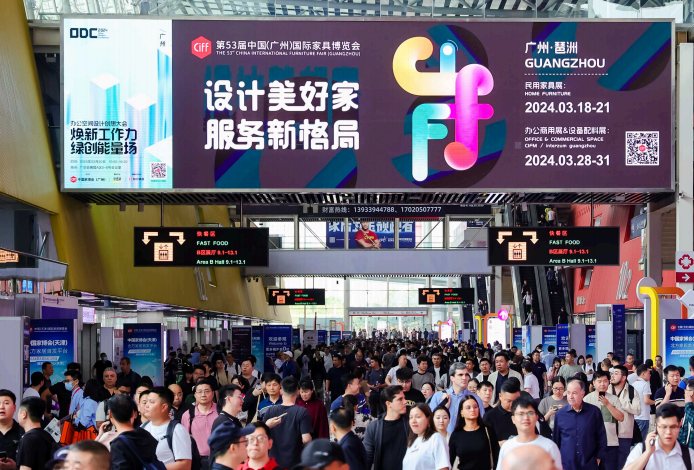
China’s furniture export sector has transcended simple “container trading.” It has evolved into a highly integrated global supply chain ecosystem. We can break this system down into three key dimensions:
1. The Integrated Production Cluster
The competitive edge of Chinese furniture no longer rests on cheap labor, but on agility and response speed.
- Geographic Synergy: In industrial hubs across South and East China, every link in the chain—from raw materials and hardware to packaging and logistics—operates within a 50-kilometer radius. This physical proximity compresses the cycle from “blueprint” to “product listing” to the absolute limit.
- Modular Manufacturing: To optimize international shipping, most products are re-engineered into RTA (Ready-to-Assemble) modules. This modular approach significantly slashes cross-border logistics overheads.
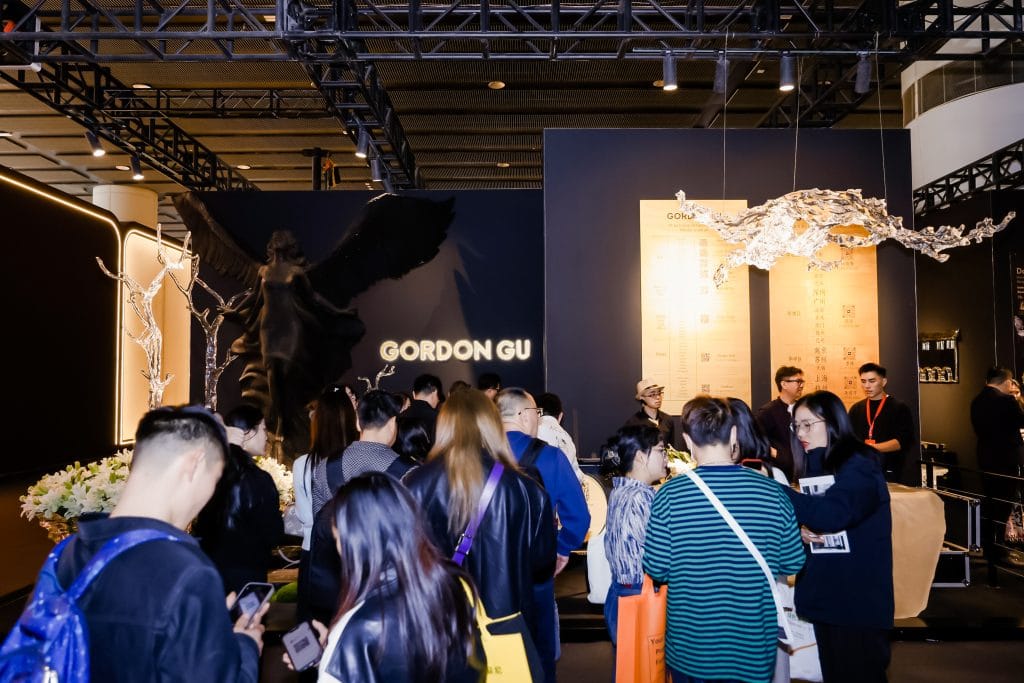
2. The Direct-to-Consumer (DTC) Shift
The export logic is undergoing a disintermediation revolution:
| Stage | Core Logic | Fulfillment Model |
| 1.0 Wholesale & Agency | Factory → Trading Co. → Overseas Retailer → Consumer | Long lead times, high inventory, low margins. |
| 2.0 Cross-border E-commerce | Factory/Brand → Amazon/Wayfair → Consumer | Shorter feedback loops; direct access to user data. |
| 3.0 Glocalization | Independent Site + Overseas Warehousing + Local Support | “Next-day delivery” and on-site assembly, mimicking local brands. |
3. The “Last Mile” Efficiency Race
Fulfilling bulky items (e.g., mattresses, sofas) is the ultimate logistical challenge.
- Overseas Warehousing: This is now industry standard. Companies ship bulk inventory via ocean freight to target markets (e.g., US, Germany) ahead of time. When a consumer orders, delivery is triggered locally.
- Algorithm-Driven Inventory: By leveraging predictive analytics for regional consumer preferences, top-tier players pre-stock specific warehouses. This capability to reduce cross-state transit time has become a major competitive moat.
Current Core Challenges
While the infrastructure is mature, the industry is at a critical inflection point:
From “Specs-Driven” to “Perception-Driven”
In the past, the focus was on dimensions, materials, and cost-performance. Today, the market demands “living space solutions.” This requires brands to possess deep “cultural intelligence”—the ability to decode global aesthetics such as Minimalism, Mid-Century Modern, or specific functional needs.
Summary
Chinese furniture exports have pivoted from a “World’s Factory” model to a “Global Supply Chain Management” model. It is no longer a commodity business of wood and fabric; it is a competition of big data forecasting, flexible manufacturing, and global logistical asset allocation.