


The smart furniture sector has shifted from novelty to necessity faster than most of us anticipated. Walking through exhibition halls today, you notice immediately that static product displays no longer hold attention the way they once did. Visitors expect to interact, to see technology respond in real time, to understand how a piece of furniture might actually fit into their daily routines. For exhibitors preparing for events like the China International Furniture Fair (CIFF), this creates both pressure and opportunity. The booths that succeed are the ones that make smart furniture feel tangible rather than abstract.
Technology That Visitors Can Actually Experience
Creating immersive experiences has become essential for smart furniture exhibitions. Integrating IoT sensors and AI-powered furniture transforms what could be a passive viewing experience into something visitors remember and discuss afterward. People want to understand how these technologies improve daily living, not just hear claims about it. Interactive displays that demonstrate real functionality bridge that gap effectively.
Virtual reality showrooms and augmented reality applications let potential buyers visualize products within their own spaces before making purchasing decisions. This approach significantly enhances both engagement and comprehension because it addresses the fundamental question every buyer asks: will this work in my home?
Showcasing smart home ecosystems illustrates how different furniture pieces and devices communicate with each other seamlessly. Voice control integration provides intuitive interaction that feels natural rather than forced. Biometric sensors demonstrate adaptive comfort and security features in ways that specification sheets simply cannot convey. A smart bed that adjusts firmness based on sleep data, or a desk that optimizes lighting and height according to user preferences throughout the day, moves the conversation beyond product features into lifestyle improvement. CIFF’s focus on intelligent manufacturing makes it an ideal venue for these kinds of demonstrations.
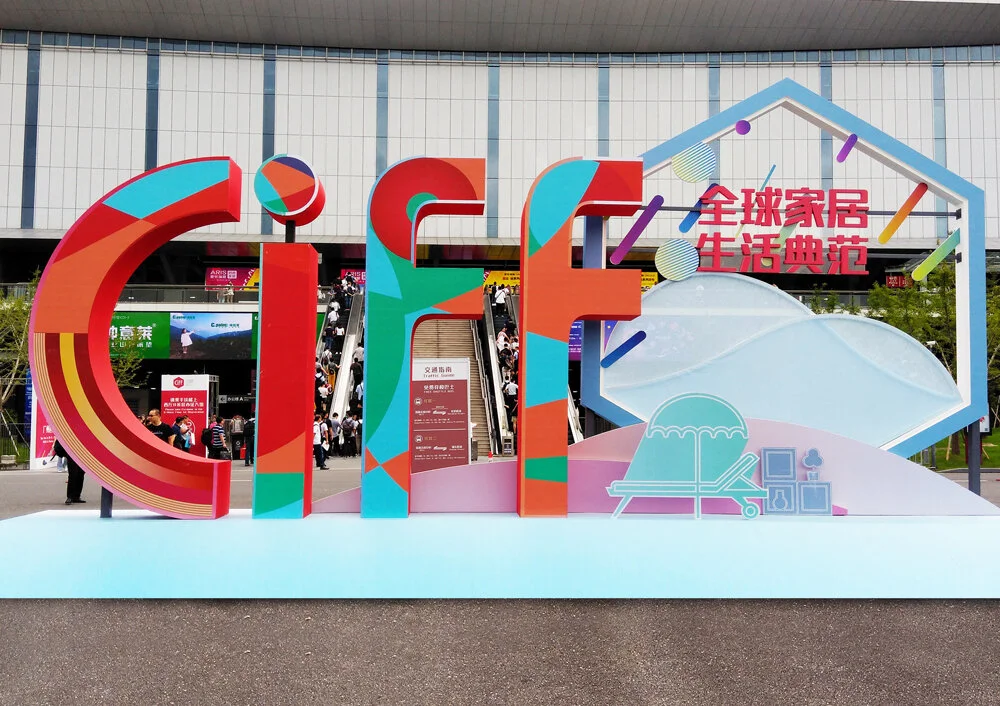
The following breakdown shows how specific technologies translate into visitor benefits:
| Technology | Application in Booth Design | Visitor Benefit |
|---|---|---|
| IoT Sensors | Real-time environmental adjustments | Enhanced comfort, energy efficiency |
| AI Furniture | Adaptive comfort, personalized settings | Tailored user experience |
| VR Showrooms | Virtual home integration | Visualization, spatial planning |
| AR Apps | Product customization, virtual placement | Informed purchasing decisions |
| Voice Control | Hands-free operation | Convenience, modern interaction |
Visual Design That Supports the Technology Story
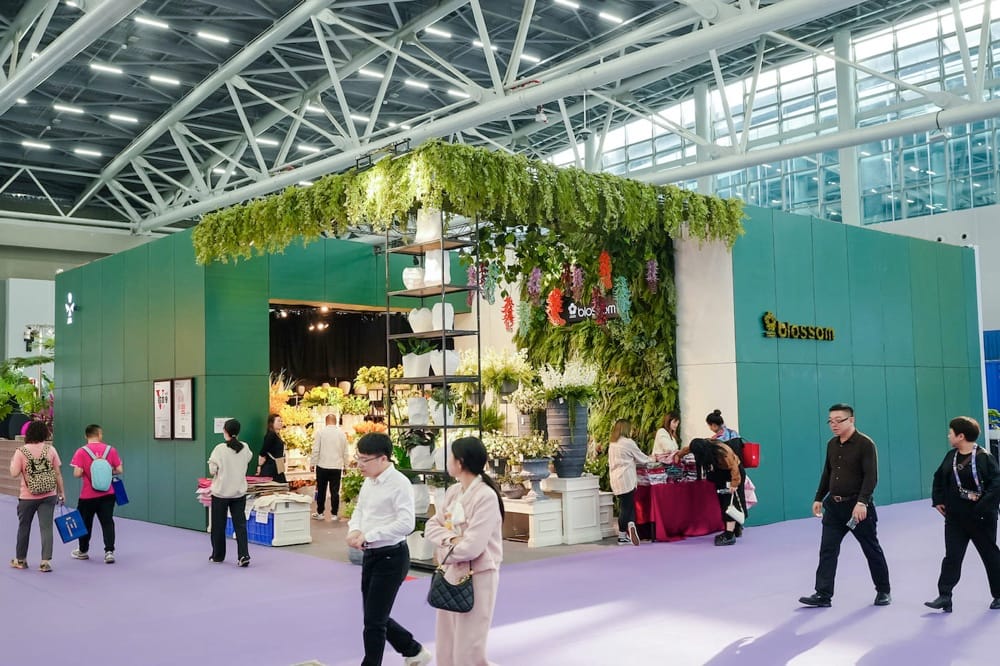
Aesthetic brilliance matters as much as technological capability when designing smart furniture booths. Design principles must balance innovation with visual appeal, which aligns well with CIFF’s positioning around design trends. Effective lighting design highlights specific features and creates atmospheres that invite visitors to linger rather than pass through quickly.
Material innovation deserves prominent placement in booth design. Sustainable smart furniture and advanced composites demonstrate that form and function can coexist without compromise. Modular booth systems offer the flexibility to reconfigure displays based on visitor flow patterns or to highlight different product lines at different times during the event.
Ergonomic smart designs show how technology enhances comfort and usability rather than complicating it. Brand storytelling through design elements conveys the unique value proposition of each piece without requiring lengthy explanations from booth staff. Optimizing visitor flow ensures attendees can navigate easily and encounter key products and interactive zones in a logical sequence. A well-designed booth communicates brand values before anyone speaks a word.
Turning Visitor Interest Into Business Relationships
Maximizing engagement requires personalized experiences and data-driven strategies working together. Interactive product catalogs and digital signage provide tailored information that captures visitor interest more effectively than generic displays ever could. Lead generation should integrate directly into interactive elements. A smart furniture demonstration might conclude with an option to receive detailed specifications via email, capturing contact information at the moment of highest interest.
Visitor analytics reveal patterns that intuition alone cannot detect. Dwell time data shows which displays hold attention longest. Interaction patterns indicate which features resonate most strongly with different visitor segments. CRM integration ensures that valuable connections made during the event translate into meaningful follow-up conversations afterward. Understanding visitor preferences and behaviors allows exhibitors to refine strategies for future events based on evidence rather than assumptions. This data-centric approach supports CIFF’s emphasis on trade promotion by facilitating measurable business outcomes.
Execution Details That Determine Success
Operational excellence separates memorable exhibits from forgettable ones. Meticulous exhibition logistics ensure smooth setup and dismantling without last-minute scrambles that drain energy better spent on visitor engagement. Comprehensive booth staff training is non-negotiable. Staff must demonstrate smart furniture functionalities confidently and engage with visitors naturally. Technical support should be immediately available because integrated technologies occasionally behave unpredictably, and downtime during peak hours costs opportunities.
Pre-show marketing campaigns build anticipation and drive traffic to specific booth locations. Post-exhibition follow-up converts leads into sales, yet many exhibitors underinvest in this phase despite its direct impact on return on investment. Event management software streamlines planning and execution processes, reducing the coordination burden on exhibition teams. Security features in smart furniture can also be demonstrated, showcasing product robustness for buyers concerned about durability and data protection.
A structured approach to operational phases helps ensure nothing falls through the cracks:
| Stage | Key Activities | Expected Outcome |
|---|---|---|
| Pre-Show | Booth design, logistics, staff training, marketing | High visitor anticipation, efficient setup |
| During Show | Product demonstrations, lead capture, technical support | Engaging visitor experience, valuable leads |
| Post-Show | Lead follow-up, ROI analysis, feedback collection | Sales conversions, strategic insights |
If you’re interested, check 《Don’t Miss Out: Register Now for CIFF 2026 Furniture Access》.
Understanding What Worked and What Comes Next
Measuring success requires tracking metrics that actually matter. Lead quality often reveals more than lead quantity. Conversion rates show whether booth engagement translated into business relationships. Media impressions indicate broader market awareness generated by the exhibition presence. This data informs future strategies and resource allocation decisions.
Competitive analysis helps identify market gaps and opportunities that might otherwise go unnoticed. Emerging trends worth watching include smart textiles for enhanced comfort and functionality, flexible workspace solutions adapting to hybrid work patterns, and advanced smart bedroom technology promoting sleep quality and overall well-being. Kitchen automation and outdoor smart furniture represent expanding segments with growing consumer interest. Smart storage solutions and energy efficiency in smart furniture will continue gaining importance as consumers prioritize sustainability alongside convenience. These trends will shape both exhibition design and product development strategies in the years ahead.
What are the most effective interactive technologies for smart furniture displays?
Augmented reality apps for virtual placement, virtual reality showrooms for immersive experiences, IoT-integrated sensors for real-time data feedback, voice control integration, and biometric sensors for personalized experiences all perform well in exhibition settings. The most effective choice depends on your specific products and target audience. AR tends to work particularly well for furniture because it addresses the visualization challenge that makes furniture purchasing difficult online.
How can exhibitors measure the success of their smart furniture booth?
Track lead generation quantity alongside quality indicators like decision-maker status and purchase timeline. Monitor visitor engagement rates including dwell time and interaction frequency with smart displays. Social media mentions and media coverage provide awareness metrics. Post-exhibition sales conversions and overall ROI measurement complete the picture. Analytics platforms integrated into booth technology capture much of this data automatically, making assessment more accurate than relying on staff observations alone. These insights prove valuable when planning future CIFF events.
What are the future trends in smart furniture exhibition design?
Exhibition design is moving toward highly personalized, sustainable, and technologically integrated experiences. Greater AI-powered furniture integration, flexible workspace solutions, smart textiles, and energy-efficient designs will feature prominently. Seamless connectivity within smart home ecosystems will become expected rather than exceptional. Exhibitors will focus on creating environments that tell brand stories through experience rather than explanation, demonstrating real-world applications that visitors can immediately understand. Events like CIFF Guangzhou that champion design trends will showcase these developments first.
Connect with CIFF and Shape the Future of Smart Living
The China International Furniture Fair offers an unparalleled platform for showcasing innovative smart furniture solutions to a global network of industry leaders. As the world’s largest home furnishing fair, CIFF brings together the full supply chain ecosystem in one location. Exhibiting provides access to the latest design trends, global trade connections, and business relationships that extend well beyond the event itself. Contact the CIFF team to secure exhibition space at upcoming events in Guangzhou or Shanghai. For inquiries, email caoxw@cfte.com.