


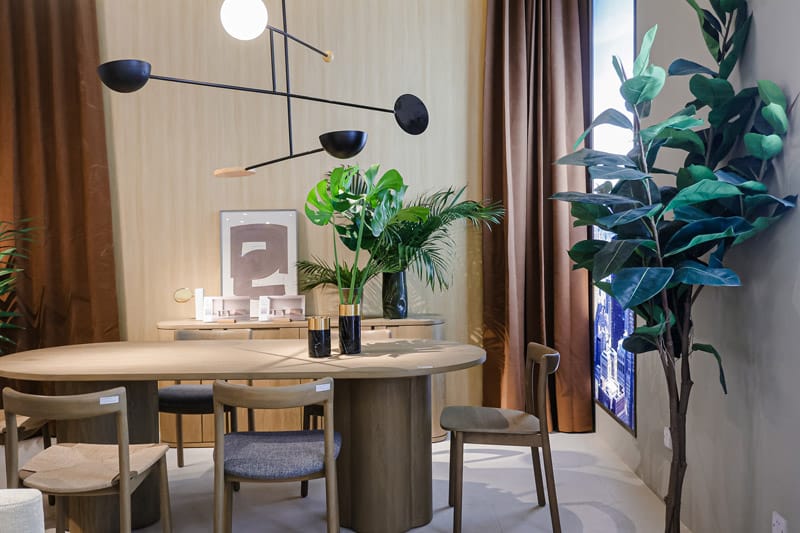
Modern manufacturing prioritises efficiency, yet traditional craftsmanship delivers cultural depth that gives home furnishings a competitive edge.
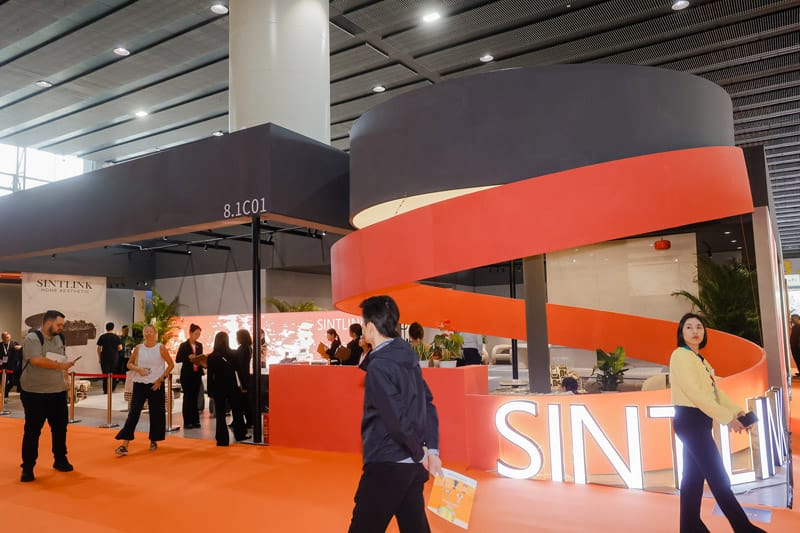
At the recently concluded 57th China International Furniture Fair (CIFF Guangzhou) 2026, themed “Link · Innovate”, the exhibition perfectly embodied this fusion of heritage and modern technology. Bringing together more than 5,100 leading brands and global supply chains, the show demonstrated to the world that the warmth of handcraft and the precision of industry are not opposites, but ideal partners for contemporary high-end home design.
I. Why Traditional Crafts Are Being Revitalised Within Modern Manufacturing
In the past, modern manufacturing chased standardisation, mass production and perfect symmetry — which also brought homogenised aesthetics. As 3D printing, intelligent CNC machining and automated production lines have become ubiquitous, this sterile “machine-made look” has triggered widespread aesthetic fatigue.
Trends observed at CIFF Guangzhou 2026 reveal that today’s consumers yearn for the human touch amid highly digitalised lifestyles. Traditional crafts, including mortise-and-tenon joinery, natural rattan weaving, hand-thrown ceramic textures, natural plant dyeing and lacquerwork, have returned to centre stage in design. When paired with modern technology, they ignite three distinct creative sparks:
Organic imperfection as a counterpoint to industrial sterility Modern manufacturing delivers sound structural integrity and mechanical support, while traditional craftsmanship lends surface texture and tactile warmth. Many premium solid wood and modular furniture brands, for instance, use precision machinery to carve fluid organic curves, then rely on seasoned artisans for hand sanding and finishing. The result: every piece carries its own uniquely soft, tactile quality.
Sustainable aesthetics and local material renewal Within the much-anticipated sustainable design zone at CIFF Guangzhou 2026, numerous brands merged age-old bamboo and rattan weaving techniques with contemporary eco-composites. Modern production solved historic drawbacks of handwoven crafts such as warping and poor durability, enabling these ancient skills to enter modern commercial spaces with robust structural performance.
II. Real-World Fusion Cases & On-Site Observations from CIFF Guangzhou 2026
At this year’s fair, pioneering brands and designers showcased the peak beauty of this cross-disciplinary fusion through their collections:
Case 1: Cross-boundary dialogue between mixed materials and structures Several contemporary Chinese exhibitors launched furniture lines pairing ultra-precise modern metal and micro-cement frameworks with handcrafted rattan and woven textiles. Sofas and cabinet frames feature sharp, streamlined modern hardware and modular aluminium, while backrests and upholstery incorporate hand-weaving techniques. This design philosophy — rigid at its core, soft on the surface — aligns seamlessly with the warm neutral and earth-tone trends covered earlier, imbuing industrial goods with human warmth.
Case 2: Smart manufacturing empowering neo-Chinese style and organic curves In the residential furniture halls, traditional wooden mortise-and-tenon wisdom, supported by multi-axis CNC machines, has been reimagined into futuristic bentwood forms with flowing, ergonomic profiles. Artisans’ intuitive understanding of wood grain — working with the grain and embracing negative space — is realised through precise modern cutting. These pieces retain the soul of traditional artefacts while offering the practical benefits of scalable production and long-term durability.
III. Closing Thoughts: An Aesthetic Revolution Driven by “Link · Innovate”
As CIFF Guangzhou 2026’s theme “Link · Innovate” conveys: when traditional craftsmanship and modern manufacturing become deeply connected within industrial supply chains, furniture transcends mass-produced goods to become artwork balancing technological efficiency and handcrafted soul.
This fusion not only supplies abundant inspiration for global buyers and designers, but is quietly reshaping high-end residential aesthetics for years ahead. Technology makes homes more comfortable and intelligent; craftsmanship gives them the warmth where the soul can truly rest.