


Winning Major Office Furniture Buyers at Trade Fairs
Landing serious office furniture buyers at a major trade fair takes more than showing up with a nice booth. The real work happens before the doors open, continues through every conversation on the floor, and extends well past the final handshake. Exhibitors who treat these events as isolated marketing moments miss the point entirely. The buyers worth pursuing evaluate suppliers across multiple touchpoints, and they remember who made their decision easier versus who wasted their time.
Pre-Show Outreach That Actually Reaches Decision Makers
Generic blast emails announcing your booth number accomplish almost nothing. Major office furniture buyers receive dozens of these before any significant fair, and most get deleted without a second glance. The exhibitors who secure meetings with procurement directors and corporate facilities managers take a different approach entirely.
Start by building a clear picture of who you want in your booth. Procurement managers at mid-sized companies operate differently than interior design firms handling corporate fit-outs. A facilities director for a tech company cares about different product attributes than someone sourcing for a law firm. Your CRM should segment these groups based on past purchasing behavior, company size, and the specific product categories they’ve shown interest in.
Personalized invitations work because they demonstrate you’ve done homework. Reference a recent office expansion project their company announced. Mention a specific product line that addresses challenges common in their industry. Offer something genuinely valuable, whether that’s early access to a new ergonomic collection or a private consultation slot with your design team.
Digital channels amplify this effort when used strategically. Targeted email sequences should feel like correspondence, not advertising. Professional networking platforms allow direct outreach to specific job titles at companies on your target list. The goal is ensuring qualified office furniture buyers know exactly why visiting your booth serves their interests before they even arrive at the venue.
Pre-Show Engagement Checklist
– Define specific buyer personas with detailed characteristics
– Segment CRM contacts by purchasing history and company profile
– Create personalized invitation content for each segment
– Develop exclusive preview offers for high-priority prospects
– Schedule targeted email sequences with clear value propositions
– Identify and connect with key contacts on professional networks
– Prepare content addressing specific buyer challenges
Building a Booth That Pulls Serious Buyers In
The exhibition floor rewards exhibitors who understand what major office furniture buyers actually need to see. A beautiful display means nothing if visitors can’t envision your products in their own projects. The most effective booth designs create miniature versions of real office environments where buyers can experience furniture in context.
Smart office integration has moved from novelty to expectation. Buyers sourcing for modern workplaces want to see how desks accommodate cable management, how seating adjusts for different body types, and how modular systems adapt to changing space requirements. Static displays of individual pieces miss opportunities to demonstrate these functional relationships.
Interactive elements earn their floor space when they provide information buyers can’t get from a catalog. Virtual reality tours showing your furniture in various office configurations let visitors mentally place products in their own projects. Live demonstrations of height-adjustable mechanisms or ergonomic adjustment features answer questions that photos never could.
Sustainability credentials matter more each year. Corporate buyers increasingly face internal mandates around environmental responsibility. Certifications, material sourcing documentation, and lifecycle data should be readily accessible. Buyers evaluating multiple suppliers will remember who made this information easy to find versus who treated it as an afterthought.
 ## Identifying Major Office Furniture Buyers Before the Show
Finding the right buyers requires combining several research approaches. Industry reports reveal which companies are expanding, relocating, or refreshing their office environments. Competitor intelligence shows who’s been purchasing from similar suppliers. Trade publication coverage highlights organizations investing in workplace improvements.
Existing CRM data often contains underutilized insights. Past inquiries that didn’t convert might represent timing issues rather than disinterest. Companies that purchased one product category might be ready for others. Analyzing this historical information helps prioritize outreach efforts toward prospects with demonstrated interest.
Industry associations and online forums provide access to conversations happening among your target buyers. Procurement professionals discuss vendor experiences, share challenges, and ask for recommendations. Participating genuinely in these communities builds visibility and surfaces potential leads before formal outreach begins.
The buyer personas that drive effective targeting go beyond job titles. Understanding whether a prospect prioritizes price, design, sustainability, or service quality shapes how you approach them. A procurement manager focused on total cost of ownership needs different information than an interior designer evaluating aesthetic options for a client presentation.
Conversations That Convert Browsers Into Buyers
Staff preparation determines whether booth traffic translates into qualified leads. Product knowledge matters, but listening skills matter more. Major office furniture buyers arrive with specific challenges, and they respond to exhibitors who understand those challenges before launching into feature presentations.
The most productive booth conversations follow a pattern. They begin with questions about the visitor’s current projects, procurement timeline, and decision criteria. This information shapes which products to highlight and which benefits to emphasize. A buyer replacing worn furniture in an existing space has different priorities than someone outfitting a new headquarters.
Demonstrations should address the concerns raised in initial conversation. If a buyer mentions employee complaints about uncomfortable seating, show the ergonomic adjustment range and explain the research behind your design decisions. If they’re concerned about durability in high-traffic areas, discuss material specifications and warranty coverage.
| What Buyers Expect | How to Deliver |
|---|---|
| Complete specifications | Detailed product documentation ready for immediate sharing |
| Customization flexibility | Design consultation capability with realistic timeline estimates |
| Clear pricing structure | Quotation process that accounts for volume and customization |
| Ergonomic performance data | Demonstration of adjustment features with supporting research |
| Environmental credentials | Certification documentation and material sourcing transparency |
Lead qualification happens throughout these interactions. Genuine prospects ask detailed questions about specifications, timelines, and pricing. They discuss specific projects with realistic budgets. Casual visitors browse without engaging deeply. Training staff to recognize these differences prevents wasted follow-up effort on contacts unlikely to convert.
Following Up in Ways That Build Lasting Relationships
The 48 hours after a trade fair ends represent a critical window. Buyers return to offices with stacks of business cards and competing demands on their attention. Exhibitors who reach out quickly with personalized communication stand out from those who wait.
Effective follow-up references specific conversations. Mention the particular products discussed, the challenges the buyer described, and any commitments made during the meeting. This demonstrates attention and makes the communication feel like a continuation rather than a cold outreach.
Value-added content keeps your company relevant during extended decision processes. Case studies showing similar projects help buyers build internal support for their recommendations. Technical specifications support detailed evaluations. Invitations to webinars or facility tours maintain engagement without pressuring for immediate decisions.
CRM integration ensures nothing falls through cracks. Automated sequences can handle routine touchpoints while flagging opportunities for personalized intervention. Tracking engagement with sent materials reveals which prospects are actively evaluating and which have gone quiet.
The furniture industry shows clear patterns in lead conversion. Consistent, personalized communication over weeks or months outperforms aggressive short-term sales pushes. Major office furniture buyers often operate on procurement cycles that don’t align with exhibitor preferences. Patience combined with persistent value delivery converts initial interest into purchase orders.
Converting Trade Show Leads Into Long-Term Partnerships
Structured nurturing campaigns transform fair contacts into ongoing business relationships. The approach begins with immediate acknowledgment of the connection made at the event, then transitions into sustained engagement tailored to each prospect’s interests and timeline.
Personalization extends beyond using the contact’s name. Reference the specific products they examined, the questions they asked, and the challenges they mentioned. Provide resources directly relevant to those conversations rather than generic marketing materials.
Regular communication maintains presence without creating annoyance. Monthly check-ins offering industry insights or new product information keep your company visible. Responding promptly when prospects reach out with questions demonstrates reliability.
Trust develops through consistent delivery on small commitments. If you promised to send specifications, send them quickly. If you offered to connect the buyer with a reference customer, make that introduction happen. These interactions establish patterns that buyers extend to larger commitments.
CRM systems make this sustained engagement manageable at scale. Automated reminders ensure follow-up happens on schedule. Engagement tracking reveals which prospects are warming up and which need different approaches. The goal is building relationships that generate repeat business and referrals over years, not just closing single transactions.
Gaining Competitive Advantage Through CIFF Participation
CIFF provides access to office furniture buyers that smaller regional events simply cannot match. The scale of attendance, with over 380,000 professional visitors from more than 200 countries, creates concentration of purchasing power that justifies significant exhibitor investment.
The event’s positioning around design trends, global trade, and complete supply chain coverage attracts buyers across the entire spectrum of the industry. Manufacturers encounter not just end purchasers but also distributors, designers, and specifiers who influence purchasing decisions.
Networking opportunities extend beyond scheduled meetings. The density of industry professionals creates spontaneous connections in common areas, at evening events, and during educational sessions. These informal interactions often lead to business relationships that formal outreach would never have initiated.
Market intelligence gathering happens naturally at events of this scale. Observing competitor offerings, hearing buyer feedback across multiple conversations, and sensing emerging preferences all inform strategic decisions. Exhibitors who approach CIFF as a learning opportunity alongside a sales opportunity extract maximum value from their participation.
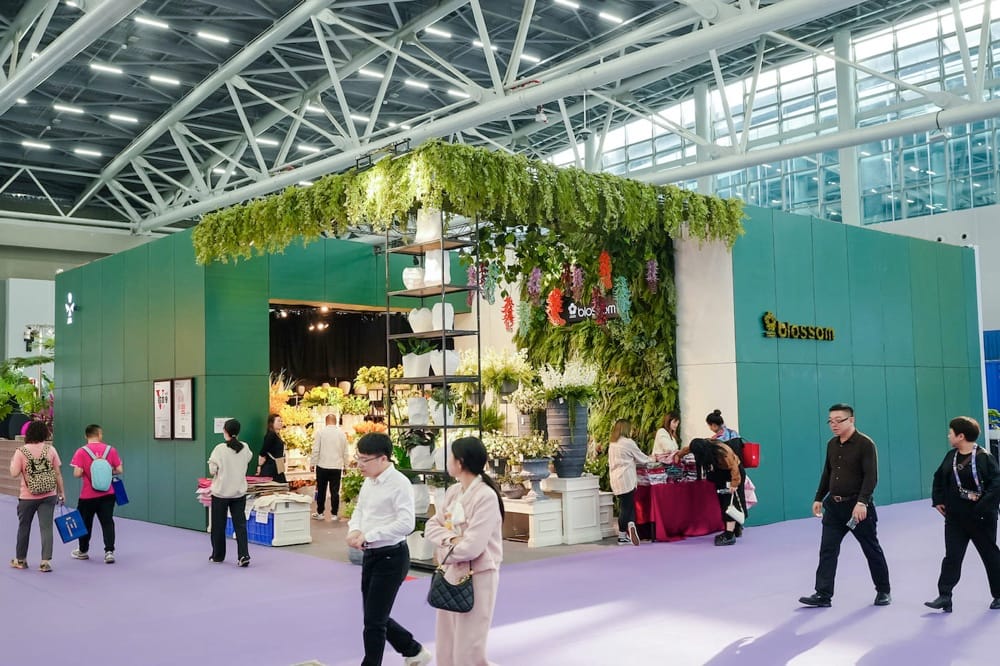 CIFF’s concentration of serious office furniture buyers makes it worth the preparation investment. For exhibitors looking to refine their approach further, exploring resources designed for specific visitor segments can sharpen strategy. ciff continues building its reputation as the essential gathering for the global furnishing industry. Interior designers represent a particularly influential visitor category.《Guide for Interior Designers Attending CIFF 2026》
Connect With Global Office Furniture Buyers at CIFF
China International Furniture Fair offers exhibitors direct access to the purchasing professionals who shape workplace environments worldwide. With 55 successful sessions establishing its position as the world’s largest home furnishing fair, CIFF brings together the buyers, designers, and decision makers who drive industry growth. The platform supports manufacturers ready to expand their market presence and build relationships that generate business for years to come. Contact CIFF to discuss exhibiting opportunities and access resources designed to maximize your participation. Email: caoxw@cfte.com
Common Questions From Office Furniture Exhibitors
What booth design approaches actually attract serious office furniture buyers?
Booth designs that pull major buyers create realistic office environments rather than showroom displays. Visitors need to see furniture in context, understanding how pieces work together in actual workspace configurations. Interactive elements earn attention when they provide information unavailable elsewhere. Virtual reality showing your products in various office layouts, live demonstrations of adjustment mechanisms, and hands-on testing opportunities all give buyers reasons to spend time in your space. Clear organization helps visitors find relevant products quickly, and comfortable consultation areas facilitate the detailed conversations that lead to business.
How do exhibitors differentiate their office furniture at competitive international fairs?
Standing out requires clarity about what makes your products genuinely different. Generic claims about quality or design fail because every exhibitor makes them. Specific differentiators resonate: particular sustainability certifications, documented ergonomic benefits, unique smart office integration capabilities, or customization flexibility that competitors don’t offer. Participating in design awards and industry recognition programs builds credibility. At CIFF specifically, aligning with the event’s emphasis on design trends positions exhibitors as forward-thinking rather than reactive.
Which metrics reveal whether trade show participation actually paid off?
Meaningful measurement goes beyond counting business cards collected. Track qualified leads generated, meaning contacts with genuine purchasing authority and active projects. Monitor conversion rates from lead to opportunity to closed business, recognizing that furniture industry sales cycles often extend months beyond the event. Calculate revenue directly attributable to fair contacts. Note media coverage and social mentions that extend brand visibility. Survey buyers post-show to understand how your booth compared to competitors. Website traffic patterns during and after the event indicate broader awareness impact.