


Selling premium furniture to wealthy buyers demands more than beautiful products. It requires understanding what drives these clients, how they think about value, and where they spend their attention. The strategies that work for mid-market furniture fall flat here. Different psychology, different channels, different expectations.
What Actually Motivates Wealthy Furniture Buyers
High-net-worth individuals approach furniture purchases as investments in their living environment, not just functional acquisitions. Their decisions reflect personal identity and social positioning. Exclusivity matters because it signals discernment. Quality matters because it demonstrates an understanding of lasting value.
These buyers research extensively before engaging with brands. They notice craftsmanship details that casual shoppers miss. They ask questions about provenance, materials sourcing, and production methods. The purchase process itself becomes part of the experience they expect brands to deliver thoughtfully.
What Separates Premium Furniture from Everything Else
Wealthy buyers define premium furniture through specific markers. Superior craftsmanship in furniture involves traditional joinery techniques, hand-finishing, and construction methods that require years of training to execute properly. The difference between machine-produced and hand-crafted pieces becomes obvious under close inspection.
Premium materials tell their own story. Rare hardwoods develop character over decades. Exotic leathers age gracefully when properly maintained. Precious metal accents resist tarnishing and wear. These materials cost more because they perform better over time, not simply because they carry luxury associations.
Bespoke furniture solutions allow clients to specify dimensions, finishes, and details that mass production cannot accommodate. A dining table sized precisely for an unusual room, upholstery matched to existing architectural elements, hardware selected to complement a client’s art collection. This level of customization transforms furniture from commodity to personal statement.
Luxury brand heritage provides context for purchase decisions. Brands with documented histories of serving notable clients, surviving economic cycles, and maintaining quality standards offer buyers confidence that their investment will retain value.
Building a Brand Narrative That Resonates
Effective luxury brand storytelling connects product quality to human values. The narrative should explain why the brand exists, what principles guide its decisions, and how those principles manifest in finished pieces.
Document the journey from raw materials to completed furniture. Show the workshops where craftspeople spend careers perfecting specific techniques. Explain why certain wood species require years of seasoning before use. Describe the testing protocols that ensure durability across generations.
Sustainable luxury furniture practices increasingly influence purchase decisions among affluent consumers. Ethical sourcing, responsible forestry partnerships, and waste reduction programs demonstrate that quality and environmental responsibility can coexist. Wealthy buyers often feel responsibility for modeling sustainable consumption, making these practices meaningful differentiators.
Marketing Channels That Actually Reach Wealthy Buyers
High-net-worth individuals filter out most advertising automatically. Reaching them requires presence in spaces they already trust and attention from people whose opinions they value.
Digital marketing for luxury brands works differently than mass-market campaigns. Sophisticated online content that demonstrates expertise attracts buyers conducting research. Detailed articles about furniture construction, material selection, and design history position brands as authorities worth considering.
Exclusive furniture events create opportunities for direct relationship building. Private showings, designer meet-and-greets, and invitation-only previews of new collections make clients feel valued rather than marketed to.
Partnerships with luxury interior design firms generate qualified referrals. Designers stake their reputations on recommendations, so they only suggest brands that consistently deliver. Building these relationships requires patience and demonstrated reliability.
Which Marketing Channels Produce Results
Social media for luxury brands emphasizes visual storytelling over promotional messaging. Platforms that showcase premium living spaces allow potential buyers to imagine pieces in their own environments. Quality photography and thoughtful composition matter more than posting frequency.
Influencer marketing luxury collaborations work when the influencer genuinely appreciates the product. Forced endorsements damage credibility. Authentic partnerships with respected designers or collectors generate interest from their networks.
High-end print media maintains relevance despite digital dominance. Luxury lifestyle magazines and architectural publications attract readers who appreciate physical media and have disposable income. Advertising in these venues signals brand positioning.
Targeted advertising affluent campaigns use data to identify likely buyers based on demonstrated interests and behaviors. Geographic targeting around wealthy neighborhoods, retargeting website visitors who spent time on product pages, and lookalike audiences based on existing customers all improve efficiency.
Creating Showroom Experiences Worth Remembering
Physical spaces communicate brand values immediately. A well-designed luxury showroom immerses visitors in an aesthetic vision that extends beyond individual pieces. Lighting, spatial arrangement, and complementary elements create context for imagining furniture in actual homes.
Personalized design consultations demonstrate expertise while gathering information about client preferences. Skilled consultants ask questions about lifestyle, existing collections, and long-term plans. They offer informed opinions rather than generic recommendations.
Post-purchase luxury service reinforces the relationship after money changes hands. White-glove delivery includes careful transportation, professional installation, and removal of all packaging materials. Follow-up communication ensures satisfaction and opens doors for future purchases.
《Guide for Interior Designers Attending CIFF 2026》
How Brands Create Genuinely Exclusive Experiences
Bespoke services furniture begins with detailed consultations about client needs. Skilled designers translate preferences into specifications that craftspeople can execute. Regular communication during production keeps clients engaged with the creation of their pieces.
Private furniture viewings remove distractions and time pressure. Clients can examine pieces closely, ask detailed questions, and make decisions without feeling rushed. The intimate setting signals that their business matters.
White-glove delivery luxury extends the premium experience to the final interaction. Professional teams handle pieces with obvious care, position furniture according to client preferences, and leave spaces cleaner than they found them.
Design Trends Shaping Premium Furniture Markets
Luxury furniture market trends reflect broader cultural shifts toward intentional consumption. Buyers want pieces that justify their cost through longevity, versatility, and timeless appeal rather than trendy novelty.
Sustainable luxury furniture continues gaining importance as environmental awareness spreads among wealthy demographics. Eco-friendly materials, ethical production methods, and designs intended for generational use align with values these buyers hold.
Smart home integration furniture incorporates technology without sacrificing aesthetics. Wireless charging surfaces, integrated lighting controls, and hidden cable management satisfy practical needs while maintaining clean visual lines.
Current Trends Attracting Affluent Buyers
Minimalist luxury furniture emphasizes proportion, material quality, and restraint. Clean lines and understated elegance allow pieces to complement rather than dominate spaces. This approach requires exceptional execution because simplicity exposes any flaw.
Organic design furniture brings natural forms and materials into interior spaces. Curved edges, visible wood grain, and stone accents create warmth and visual interest. These pieces often become focal points that anchor room designs.
Tech-integrated furniture addresses practical needs without compromising sophistication. Built-in wireless charging, adjustable lighting, and motorized components offer convenience that wealthy buyers appreciate when implemented thoughtfully.
Tracking What Actually Works
Optimizing strategies requires measuring relevant outcomes. Luxury sales KPIs differ from mass-market metrics because the sales cycle is longer, average values are higher, and relationships matter more than transaction volume.
Client acquisition cost luxury measures marketing efficiency by calculating total spending required to convert one new customer. High acquisition costs may be acceptable when customer lifetime value furniture justifies the investment.
Return on marketing investment (ROMI) compares campaign costs to revenue generated. Different channels produce different returns, and tracking allows reallocation toward higher-performing approaches.
| KPI Category | Metric | Description |
|---|---|---|
| Acquisition | Client Acquisition Cost (CAC) | Cost to acquire one new luxury client |
| Engagement | Showroom Visit Conversion Rate | Percentage of visits resulting in a purchase |
| Retention | Customer Lifetime Value (CLTV) | Total revenue expected from a client |
| Sales | Average Order Value (AOV) | Average value of each luxury furniture sale |
| Marketing | Return on Marketing Investment (ROMI) | Profitability of marketing campaigns |
Connect With Discerning Buyers at CIFF
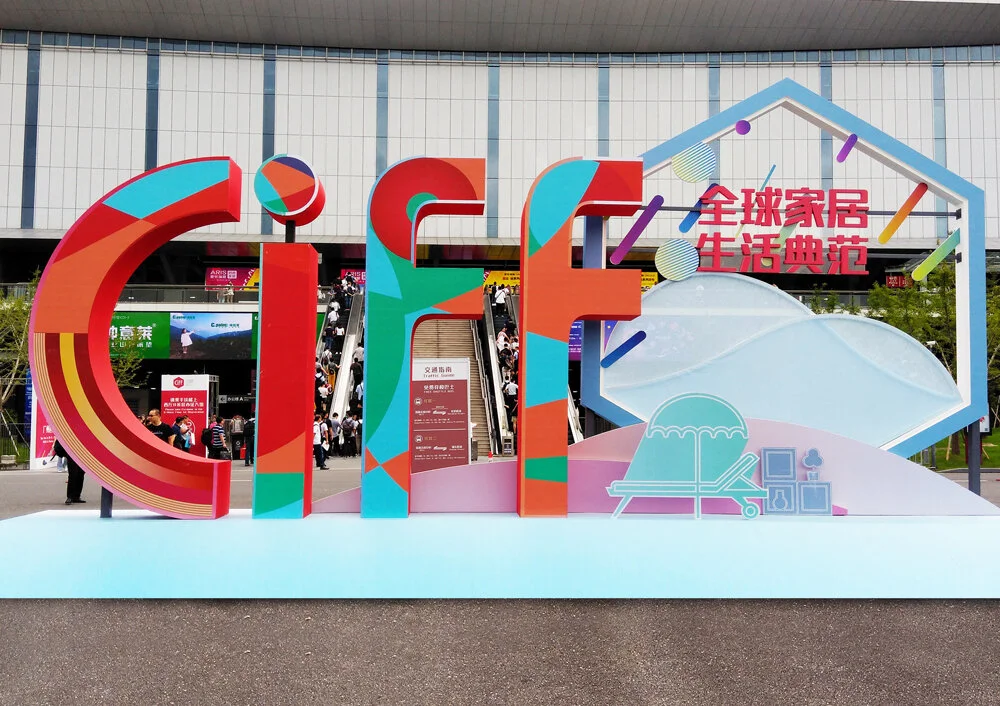
The china international furniture fair brings together premium furniture manufacturers, designers, and buyers from around the world. Showcase your latest collections, build relationships with industry leaders, and explore partnership opportunities that expand your reach into affluent markets. For exhibitor information or partnership inquiries, contact caoxw@cfte.com.
Frequently Asked Questions About Attracting High-End Furniture Buyers
How Should Brands Segment Markets to Find Affluent Furniture Buyers?
Effective market segmentation luxury combines demographic data with behavioral and psychographic analysis furniture. Net worth and income provide starting points, but lifestyle indicators reveal more about purchase likelihood. Previous luxury purchases, design preferences, and media consumption patterns help identify prospects worth pursuing. Partnerships with wealth management firms or luxury publications can provide access to pre-qualified audiences for affluent buyer targeting.
Does Sustainability Actually Influence Wealthy Furniture Buyers?
Sustainability increasingly affects purchase decisions among affluent consumers who view their choices as statements about values. Eco-friendly home furnishings appeal to buyers who want quality without environmental compromise. Brands that document sustainable sourcing, responsible manufacturing, and product longevity connect with this growing segment. The durability of premium furniture already aligns with sustainable consumption principles, making this positioning natural rather than forced.
Why Does Personalized Service Matter So Much in Luxury Furniture Sales?
Wealthy buyers expect experiences that acknowledge their status and accommodate their preferences. Personalized service luxury transforms transactions into relationships. Bespoke design consultations demonstrate expertise while gathering information that improves recommendations. Private showroom visits eliminate distractions and time pressure. Dedicated client advisors provide continuity across multiple purchases. This exclusive client experience justifies premium pricing and generates referrals that drive future business.