


Showing furniture at a major fair feels different from selling it in a showroom. The booth becomes a compressed version of your brand, and every detail—lighting angle, traffic flow, how your staff greets someone—either reinforces or undermines what you’re trying to communicate. After watching hundreds of brands navigate CIFF over the years, certain patterns emerge. The exhibitors who walk away with strong leads and lasting relationships tend to share a few habits that have nothing to do with having the biggest budget.
What Actually Matters Before the Doors Open
The temptation is to jump straight into booth design, but the brands that get the most from their exhibition investment start earlier. They spend time understanding who walks through those doors and what those visitors are actually looking for.
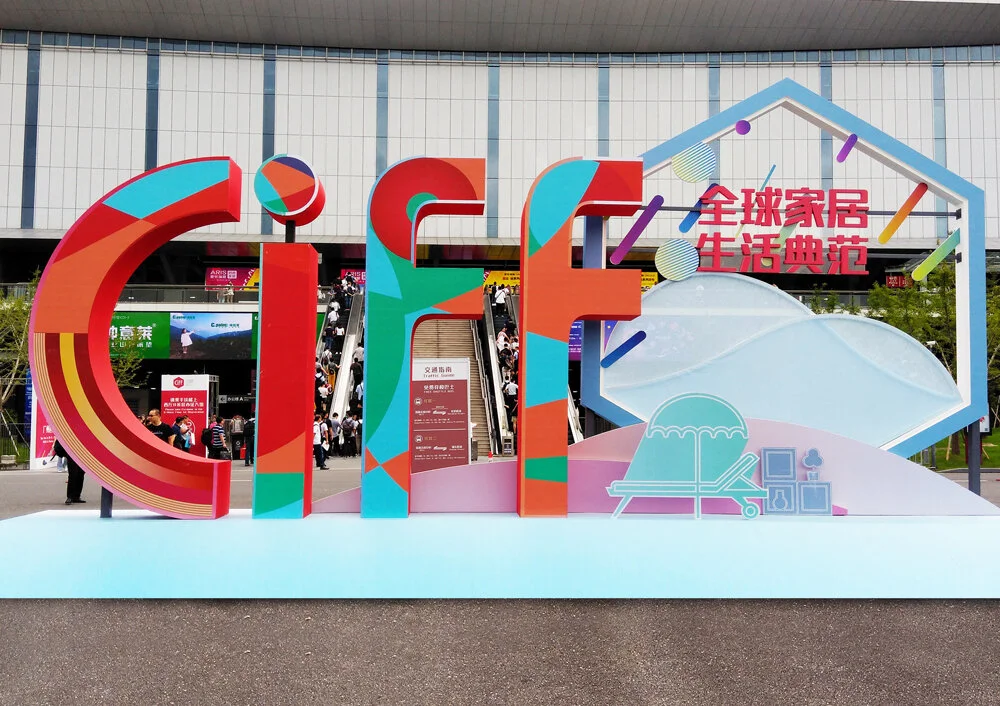
CIFF hosts over 4,900 brands and draws more than 380,000 professional visitors. That’s a lot of foot traffic, but it’s also a lot of noise. The exhibitors who cut through it have done their homework. They know whether they’re trying to launch a new sustainable line, break into a specific regional market, or simply meet face-to-face with existing distributors. Each of those goals requires different messaging, different booth layouts, and different conversations.
Data from past exhibitions suggests that exhibitors with clearly defined objectives see roughly 30% higher returns on their investment. That number makes sense when you think about it. Clarity eliminates waste. You stop designing for everyone and start designing for someone.
Furniture market research before the show helps identify which demographics are attending, what purchasing patterns look like in your target regions, and which trends are gaining traction. This isn’t busywork. It shapes everything from the products you feature to the language on your signage.
Designing a Booth That People Actually Remember
A booth is a physical argument for your brand. It needs to make that argument quickly, because most visitors are scanning dozens of exhibitors in a single day.
The psychological impact of a well-designed space is real. A casual glance can become a meaningful conversation if the environment invites it. At CIFF, the booths that draw people in tend to share a few characteristics.
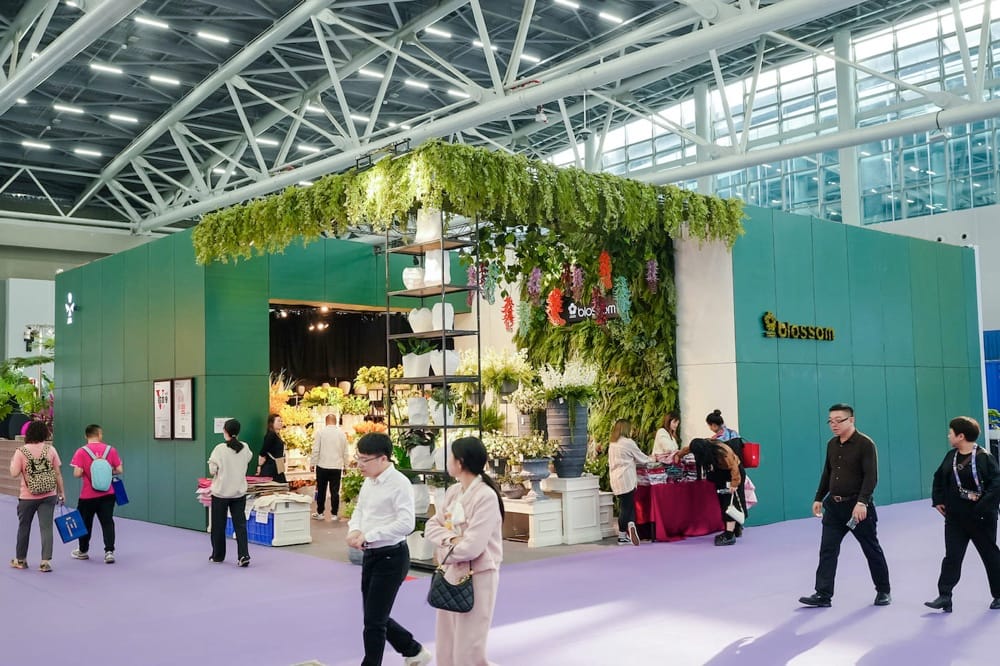
Strategic lighting matters more than most exhibitors realize. The right lighting highlights product features without creating harsh shadows or that flat, showroom-floor look. It also sets mood. A warm, inviting ambiance encourages people to slow down.
Flow is another underrated element. Visitors should be able to move through your space intuitively, without bottlenecks or dead ends. The path they take should naturally guide them past your hero pieces and new collections.
Interactive elements—whether that’s a material sample station, a configurator screen, or simply a comfortable seating area where people can linger—encourage engagement. They give visitors a reason to stay longer and remember you afterward.
Sustainable branding resonates with contemporary audiences, and integrating it into your booth design signals that your values extend beyond marketing copy. This could mean using recycled materials in your display structures or highlighting the environmental credentials of your products through clear, honest signage.
Building a Booth That Works
A successful modern furniture exhibition booth integrates several elements that reinforce each other. Lighting, flow, product placement, and interactive features all need to work together.
Product placement deserves particular attention. Your strongest pieces should occupy the most visible positions, but the arrangement should also tell a story. Visitors should understand your design philosophy just by walking through.
Exhibition space optimization isn’t about cramming in more products. It’s about creating breathing room that lets each piece speak. Crowded booths feel chaotic. Curated booths feel confident.
If you’re looking for ways to enhance your exhibition strategy, consider reading our detailed guide on how to prepare for major events. You can find valuable insights in 《Don’t Miss Out: Register Now for CIFF 2026 Furniture Access》.
Moving Beyond Product Display
The exhibitors who treat their booth as a stage for storytelling consistently outperform those who simply arrange furniture and wait for visitors to approach.
Brand storytelling in the furniture industry means communicating your values, your design philosophy, and what makes your approach different. This doesn’t require elaborate presentations. Sometimes it’s as simple as training your staff to share the origin story behind a particular collection or explain the craftsmanship that goes into a signature piece.
Experiential marketing has become increasingly important at CIFF. Visitors remember how a brand made them feel more than they remember product specifications. Creating moments—whether through live demonstrations, hands-on material exploration, or thoughtful hospitality—builds emotional connections that outlast the exhibition.
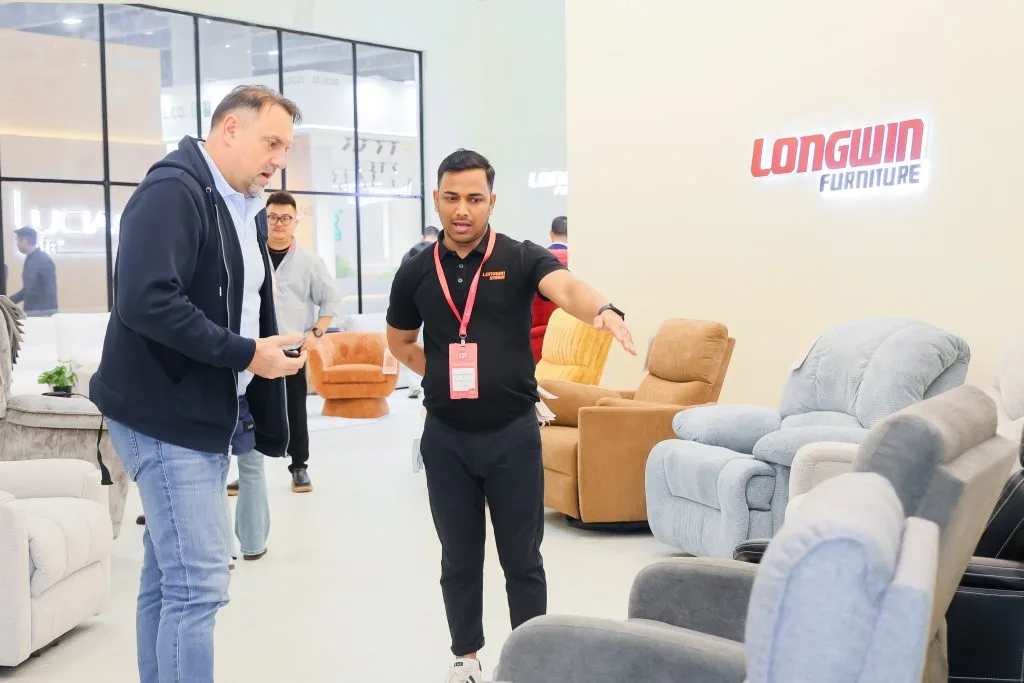
Staff training often gets overlooked in exhibition planning, but your team members are your most important brand ambassadors during the show. They need to be knowledgeable about products, comfortable engaging with strangers, and skilled at reading which visitors are serious buyers versus casual browsers. Every interaction either reinforces or undermines your brand narrative.
Extending Your Reach Through Digital Channels
The physical booth is just one touchpoint. Digital integration amplifies your presence and creates opportunities to connect with audiences who might not make it to the exhibition floor.
Social media for furniture exhibitions works best when it’s planned in advance. Pre-show content builds anticipation. During the event, real-time updates and behind-the-scenes glimpses create urgency and FOMO. Post-show content extends the conversation and keeps your brand visible.
Virtual exhibition tools have matured significantly. For visitors who can’t attend in person, virtual tours or 3D product viewers can provide immersive experiences that approximate the real thing. These tools also serve as lasting assets you can use long after the exhibition ends.
The data supports this approach. Brands that blend physical and digital strategies effectively see post-show lead conversion rates increase by up to 25%. That’s a significant lift from tactics that require relatively modest investment.
Turning Booth Traffic Into Business Results
Generating leads at an exhibition requires intentional systems. Digital forms or QR codes make data capture seamless. But capturing contact information is just the beginning.
Staff should be trained in lead qualification. Not every visitor is a potential buyer, and treating everyone the same wastes time and energy. Quick assessment questions help identify who deserves deeper engagement.
Engaging product demonstrations convert interest into intent. When someone can see a mechanism in action or feel the quality of materials firsthand, abstract features become tangible benefits.
Personalized consultations take this further. For serious buyers, sitting down to discuss specific needs and applications builds the relationship foundation that leads to orders.
Post-exhibition follow-up is where many brands drop the ball. Targeted email campaigns, personalized thank-you notes, and timely phone calls nurture leads through the decision process. The exhibition opens doors, but follow-up closes deals.
For interior designers seeking to maximize their visit, we recommend exploring our comprehensive resource. This will help you navigate the event efficiently and discover new opportunities: 《Guide for Interior Designers Attending CIFF 2026》.
Keeping Momentum After the Show Ends
The impact of an exhibition extends far beyond the event dates, but only if you invest in post-show relationship building.
Consistent communication keeps your brand top of mind. This doesn’t mean bombarding contacts with sales pitches. It means sharing relevant content, providing useful information, and staying present without being pushy.
Customer relationship management in furniture requires patience. Purchase cycles can be long, especially for commercial buyers or international distributors. The relationships you nurture today may not convert for months or even years. But when they do convert, they often become your most valuable accounts.
Brand loyalty in the furniture industry develops through repeated positive interactions. Each touchpoint—from the initial booth conversation to the follow-up email to the eventual delivery—either strengthens or weakens that loyalty.
Why Brand Perception Shapes Purchasing Decisions
Brand image directly influences how buyers evaluate your products and your company. In a crowded market, a strong brand conveys reliability, quality, and innovation without requiring you to explain it every time.
Recognition matters. Buyers who already know your brand approach your booth with a different mindset than those encountering you for the first time. They’re predisposed to trust what you show them.
Trust translates into sales. When buyers believe in your brand, they’re more willing to take risks on new products, commit to larger orders, and recommend you to their networks.
A positive brand perception also provides competitive insulation. Price competition becomes less intense when buyers value what your brand represents beyond the physical products.
Understanding What Worked and What Didn’t
Measuring exhibition ROI provides the feedback loop that improves future performance. Without data, you’re guessing about what worked.
Key performance indicators for furniture exhibitions include lead conversion rates, cost per lead, brand awareness growth, and media impressions. Each metric tells a different part of the story.
| KPI | Description | Benchmark (Industry Average) |
|---|---|---|
| Lead Conversion Rate | Percentage of leads converted into sales | 15-20% |
| Cost Per Lead | Total exhibition cost divided by number of leads | $50 – $200 |
| Brand Awareness Growth | Increase in brand mentions or website traffic | 10-25% |
| Media Impressions | Reach of PR and media coverage | Varies by event |
Analyzing these metrics against industry benchmarks helps identify where you’re outperforming and where you have room to improve. This data-driven approach ensures that your exhibition investment yields measurable business results and informs how you allocate resources next time.
Connect with Global Leaders at CIFF
Elevate your brand and connect with global leaders in modern living furniture. Discover unparalleled opportunities for growth and innovation by exhibiting at china international furniture fair (ciff). Partner with us to showcase your vision and forge lasting industry connections. Contact CIFF today to secure your presence and shape the future of furnishing. For inquiries, reach us at caoxw@cfte.com.
Frequently Asked Questions About Modern Furniture Exhibitions
What strategies help furniture companies stand out at large trade fairs like CIFF?
Standing out at major events requires a combination of distinctive booth design, interactive product demonstrations, and compelling brand storytelling. Pre-show marketing builds awareness before visitors even arrive. During the event, personalized experiences and well-trained staff create memorable interactions. Digital engagement extends your reach beyond the physical floor. The brands that differentiate themselves successfully treat the exhibition as an integrated campaign rather than a standalone event.
How can a modern furniture brand effectively use an exhibition to generate leads and sales?
Effective lead generation starts with clear call-to-actions and efficient data capture systems. Staff trained in lead qualification can quickly identify serious buyers and focus energy where it matters most. Engaging product presentations and personalized consultations convert initial interest into genuine intent. The real work happens after the show ends, though. Prompt, personalized follow-up transforms captured contacts into actual customers. This systematic approach ensures your exhibition efforts produce tangible commercial results.
What are the most effective ways to showcase innovative modern living furniture at an exhibition?
Showcasing innovation requires booth layouts that highlight unique features without overwhelming visitors. Interactive displays let people experience products rather than just look at them. Clear messaging about design philosophy and sustainability credentials helps visitors understand what makes your approach different. Live demonstrations show mechanisms and materials in action. Virtual reality tours can provide immersive experiences for complex products or custom configurations. The goal is creating a presentation that visitors remember and talk about afterward.