


The global senior living sector has shifted in ways that catch your attention once you start paying close attention to the details. Safety and comfort aren’t just marketing terms anymore—they’ve become the baseline expectations that buyers evaluate before anything else. Manufacturers entering this space quickly discover that the standards are specific, the ergonomic requirements are non-negotiable, and the materials science has advanced considerably. Drawing on insights from CIFF’s extensive experience with elderly furniture exhibitors, this guide walks through what actually matters: the certifications that open doors to international markets, the design principles that make a real difference in seniors’ daily lives, and the material choices that balance durability with genuine comfort.
Safety Certifications That Determine Market Access
Product safety in elderly care furniture isn’t a checkbox exercise. It’s the foundation that determines whether your products can legally enter specific markets and whether care facilities will trust them with their residents. The standards cover structural integrity, material composition, fire behavior, and chemical emissions—each with testing protocols that leave little room for interpretation.
Certification Requirements Across International Markets
The certification landscape varies by region, though several benchmarks carry weight globally. ISO standards establish the foundational framework for quality management and product safety that most markets recognize. BIFMA standards matter significantly in North America, where they address furniture durability, stability, and sustainability through specific test methods. European markets require adherence to EN standards, which specify strength, stability, and safety requirements with particular attention to institutional use cases.
Fire safety certifications involve flame retardancy testing that simulates real-world ignition scenarios. These tests measure how materials behave when exposed to open flame, smoldering cigarettes, or radiant heat. Non-toxic furniture materials certifications have become increasingly important in healthcare settings, where residents may have compromised immune systems or chemical sensitivities.
| Certification Body | Scope | Key Focus Areas | Relevant Regions |
|---|---|---|---|
| ISO | General Quality & Safety | Management Systems, Product Performance | Global |
| BIFMA | Office & Institutional Furniture | Durability, Stability, Safety | North America |
| EN Standards | European Norms | Strength, Stability, Fire Safety | Europe |
| UL | Product Safety | Electrical, Fire, Mechanical Safety | North America |
| GREENGUARD | Indoor Air Quality | Low Chemical Emissions | Global |
Ergonomics That Support Independence and Dignity
Ergonomic design for seniors goes beyond general comfort principles. The physical changes that accompany aging—reduced muscle strength, joint stiffness, balance challenges—require furniture that actively compensates rather than simply accommodates. Seat height affects whether someone can stand independently. Armrest placement determines whether they can push themselves up safely. Back support influences whether they can sit for extended periods without pain.
Pressure relief cushions address a specific medical concern: seniors who sit for long periods face increased risk of pressure ulcers, particularly if they have limited mobility or circulation issues. Adjustable height furniture for seniors allows customization to individual needs, which vary considerably even among people of similar age. The goal isn’t just comfort in the moment—it’s maintaining independence and preventing the secondary health problems that poorly designed furniture can cause.

Material Selection for Longevity and Hygiene
Material choices in elderly furniture involve trade-offs that require careful consideration. Durability matters because institutional furniture sees heavy use and frequent cleaning. Accessibility matters because surfaces need appropriate friction—not so slick that hands slip, not so rough that skin tears. Hygiene matters because care facilities must control infection risk.
Balancing Comfort, Durability, and Environmental Impact
High-density foams with memory foam layers provide the pressure distribution that prevents skin breakdown during extended sitting. The foam density affects both support and longevity—lower density foams compress permanently over time, losing their therapeutic benefit. Upholstery fabrics need to withstand commercial cleaning protocols while remaining soft enough for sensitive skin. Many facilities require antimicrobial treatments, though some residents have sensitivities to these coatings.
Solid wood and metal frames provide the structural integrity that prevents wobbling or tipping—critical when someone uses furniture for support while standing. Anti-slip properties on feet and handles prevent the furniture itself from becoming a fall hazard. Sustainable elderly furniture options using recycled materials or sustainably sourced timber increasingly factor into purchasing decisions, particularly for facilities with environmental commitments.
| Material Type | Pros | Cons | Key Applications |
|---|---|---|---|
| High-Density Foam | Excellent support, pressure relief | Can be heavy, higher cost | Seating, mattresses |
| Stain-Resistant Fabric | Easy to clean, durable | Can lack natural feel | Upholstery |
| Solid Wood | Durable, aesthetic, stable | Requires maintenance, can be heavy | Frames, tables |
| Anti-slip Rubber | Fall prevention, grip | Can degrade over time | Feet, handles |
| Antimicrobial Coatings | Enhanced hygiene | Potential for chemical sensitivity | Surfaces, upholstery |
Exhibition Strategies That Connect with Buyers
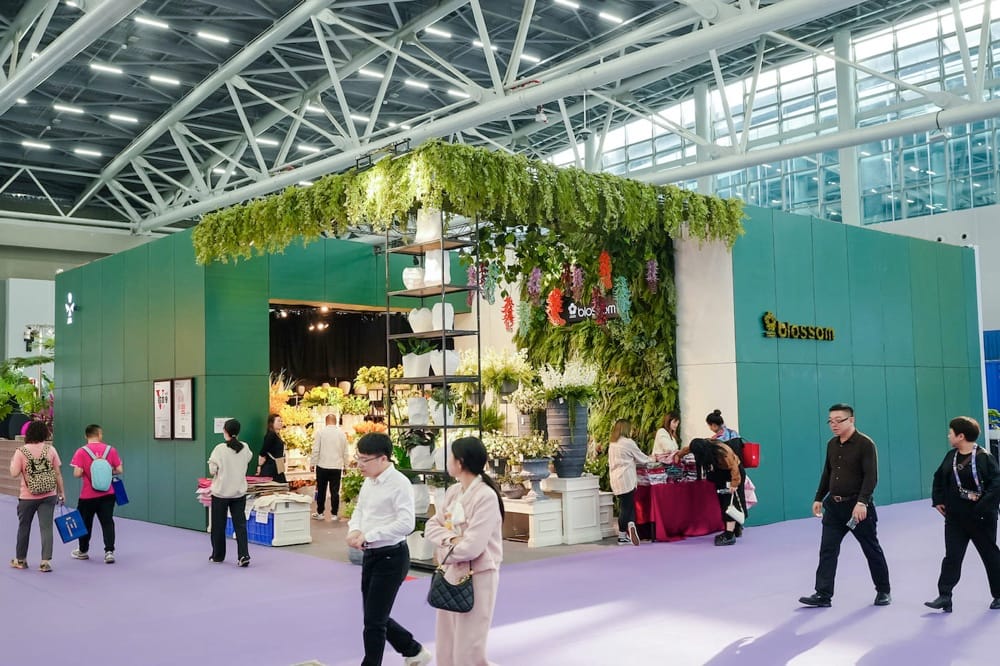
Exhibiting elderly furniture at CIFF requires a different approach than displaying general furniture lines. Buyers for senior living facilities evaluate products through a specific lens: Will this prevent falls? Can it be cleaned effectively? Does it meet the certifications our facility requires? Will residents find it comfortable for extended use?
Interactive demonstrations that let buyers experience the safety and comfort features firsthand communicate value more effectively than specification sheets alone. Showing how a chair’s armrests support someone standing up, or how a cushion distributes weight, makes abstract benefits concrete. Visual aids displaying certifications and ergonomic diagrams reinforce that your products meet the technical requirements buyers must satisfy.
If you’re interested, check 《Don’t Miss Out: Register Now for CIFF 2026 Furniture Access》.
Market Dynamics Shaping Product Development
Demographic shifts drive the global senior living furniture market in ways that affect product development priorities. The aging population creates sustained demand, but the nature of that demand keeps evolving. Universal design principles—creating products usable by people across age ranges and ability levels—have moved from specialty consideration to standard expectation.
Addressing Mobility Challenges Through Design
Furniture design can meaningfully reduce the mobility challenges seniors face daily. Accessible furniture solutions start with dimensions: seat heights between 18-20 inches allow most seniors to stand without excessive effort, while lower seats can trap someone who lacks the leg strength to push themselves up. Robust armrests positioned at the right height and angle provide leverage during transfers.
Mobility aid integration furniture incorporates features like built-in grab bars or adjustable height mechanisms that adapt to changing needs. Stable bases prevent tipping when someone leans heavily on one side—a common occurrence when balance is compromised. The design goal is reducing the physical effort and fall risk associated with everyday movements like sitting, standing, and transferring.
Sensory design for dementia patients represents a growing specialty area. These designs focus on creating environments that reduce confusion and agitation through careful attention to color, contrast, texture, and spatial arrangement.
Frequently Asked Questions About Elderly Furniture Exhibition
What are the most common mistakes exhibitors make when showcasing elderly care furniture?
The most frequent misstep is treating elderly furniture like any other furniture category—emphasizing aesthetics while underplaying the functional advantages that actually drive purchasing decisions. Exhibitors often fail to prominently display safety certifications, even though buyers need this information to evaluate whether products meet their facility requirements. Neglecting interactive experiences that demonstrate comfort and accessibility leaves buyers unable to assess the features that matter most. A comprehensive approach to exhibiting elderly furniture means leading with safety and function, then supporting with design appeal.
How can I effectively communicate the comfort aspect of my senior living furniture to buyers?
Start with the materials—let buyers touch the fabrics and feel the cushion density. Demonstrate adjustable features and explain the ergonomic support they provide. The most effective approach allows buyers to sit in the furniture themselves, experiencing the comfort rather than just hearing about it. Case studies or testimonials from senior living facilities that use your products add credibility and help buyers envision the furniture in their own settings.
Are there specific design trends in elderly furniture that I should be aware of for my CIFF exhibit?
Several trends are reshaping buyer expectations. Universal design principles have become standard rather than optional. Smart technology integration—sensors that detect falls, adjustable features controlled electronically—is gaining traction in higher-end facilities. Sustainable and eco-friendly materials increasingly factor into purchasing decisions. There’s also a clear aesthetic shift: buyers want furniture that looks residential rather than institutional, creating environments that feel like home rather than healthcare facilities. Designs that promote independence and well-being align with the global demand for elderly furniture that supports quality of life.
Partner with CIFF to Shape the Future of Senior Living Design
Connect with a global network of buyers at the China International Furniture Fair (CIFF) and showcase your safe, comfortable elderly furniture solutions to an audience that understands their value. Partner with ciff to shape the future of senior living design. Contact us at caoxw@cfte.com to secure your exhibition space and learn more about maximizing your impact.