


The furniture industry is watching a demographic wave reshape demand in real time. Populations across developed markets are aging faster than product lines can adapt, and the gap between what older adults need and what most brands offer remains wide. For manufacturers and distributors focused on senior living furniture, this shift represents both a design challenge and a commercial opportunity that few other segments can match right now.
Why the Senior Living Furniture Market Is Growing This Fast
The senior living furniture market is expanding at a pace that reflects genuine demographic pressure, not just trend-driven interest. Current projections place the global elderly care furniture market above $20 billion by 2027. That figure accounts for residential settings, assisted living facilities, healthcare institutions, and public spaces designed with older users in mind.
What drives these numbers is straightforward. People are living longer, and more of them want to remain in their homes rather than move into institutional care. This aging-in-place preference pushes demand toward furniture that supports independence without sacrificing safety. At the same time, assisted living facilities are expanding capacity, and healthcare institutions are upgrading interiors to accommodate long-term residents.
| Market Segment | Projected Growth Rate (CAGR) | Key Drivers |
|---|---|---|
| Residential Senior Living | 8.5% | Aging-in-place trend, increased disposable income |
| Assisted Living Facilities | 7.2% | Demand for specialized care, facility expansion |
| Healthcare Institutions | 6.8% | Hospital upgrades, long-term care needs |
| Public Spaces (Elderly-focused) | 5.9% | Universal design adoption, community centers |
Brands entering this space need to think beyond a single application. A chair designed for a private residence may need different specifications than one built for a memory care unit. Material durability, infection control protocols, and ease of cleaning all factor into healthcare furniture requirements. Accessible design principles matter across every segment, but the specific implementation varies.
How CIFF Guangzhou Connects Brands to Global Buyers
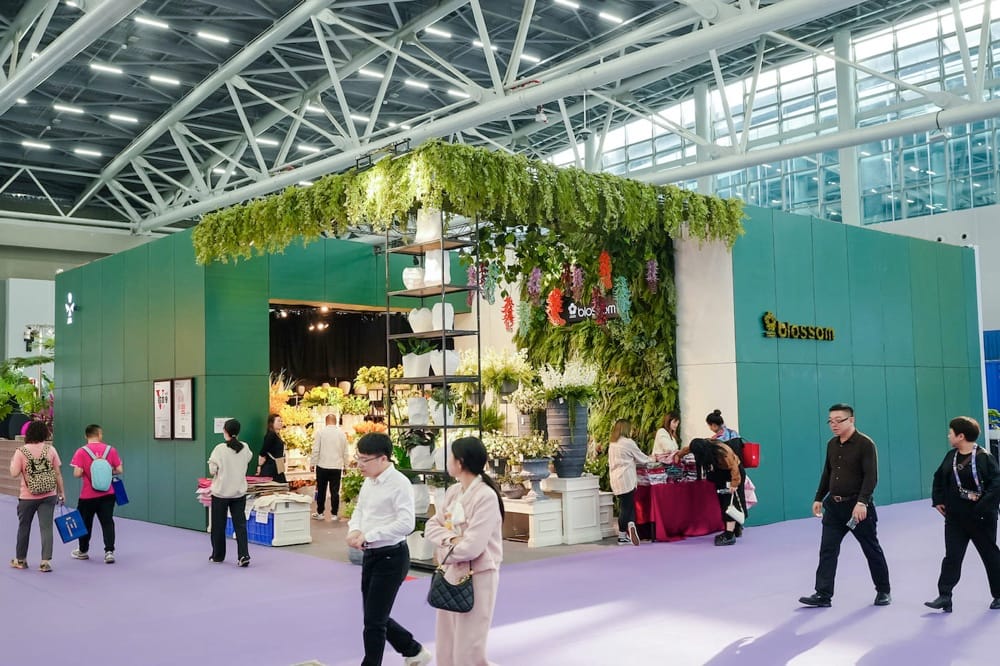
CIFF Guangzhou has operated since 1998 and now functions as the largest home furnishing fair in the world. The scale is difficult to overstate. More than 380,000 professional visitors attend from over 200 countries and regions, and the exhibitor list includes over 4,900 brands across the full furniture industry chain.
For brands focused on senior living furniture, this concentration of buyers and distributors in one location creates opportunities that scattered outreach cannot replicate. International trade fairs in China serve as sourcing hubs for furniture buyers who need to evaluate multiple suppliers efficiently. CIFF’s structure supports this by organizing exhibition zones around specific product categories, including specialized segments like elderly care furniture.
The practical benefits for exhibitors include direct conversations with decision-makers from distribution networks, retail chains, and project development firms. These are the contacts that determine whether a product reaches end users in Europe, North America, or emerging markets in Southeast Asia. B2B furniture sourcing at this scale compresses months of relationship-building into a few days of focused engagement.
Building a Brand That Travels Across Borders
Achieving global exposure for senior living furniture requires more than showing up at a trade fair. Brands need to understand what regulatory compliance looks like in different regions and how cultural preferences shape design expectations.
Safety certifications vary by market. A product approved for sale in China may need additional testing or documentation to enter the European Union or the United States. Material certifications, fire resistance ratings, and ergonomic guidelines all carry regional specifics. Brands that invest in understanding these requirements before exhibiting can answer buyer questions with confidence rather than vague promises.
Cultural preferences also influence purchasing decisions. Color palettes, wood grain patterns, and even the height of seating surfaces reflect regional norms that experienced buyers recognize immediately. A brand that demonstrates awareness of these details signals readiness for international distribution.
CIFF Guangzhou provides an environment where brands can test market reactions directly. Feedback from buyers representing different regions reveals which product features resonate and which need adjustment. This real-time input reduces the risk of launching products that miss the mark in unfamiliar territories.
What Elderly Consumers Actually Need From Furniture Design
Designing for older adults means solving problems that younger users rarely consider. Ergonomic furniture solutions address the physical realities of aging bodies. Joint stiffness, reduced grip strength, and balance concerns all influence how someone interacts with a chair, bed, or table.
Seat height matters because getting up from a low surface becomes difficult when leg strength declines. Armrests need to support weight during the transition from sitting to standing. Cushion firmness affects both comfort and the ability to shift position independently. These are not luxury features. They determine whether a piece of furniture supports daily life or becomes an obstacle.
Smart furniture technology adds another layer of functionality. Adjustable bed frames with remote controls allow users to find comfortable positions without physical effort. Fall detection sensors integrated into bedroom furniture can alert caregivers when something goes wrong. These features appeal to both individual consumers and facility operators managing risk across multiple residents.
Sustainable furniture production has become a factor in purchasing decisions as well. Buyers increasingly ask about material sourcing, manufacturing processes, and end-of-life disposal options. Brands that can document their environmental practices gain an advantage with procurement teams that face sustainability mandates.

Turning Trade Fair Contacts Into Lasting Partnerships
The connections made at CIFF Guangzhou only generate value if brands follow through after the event ends. Networking opportunities at furniture industry events create initial introductions, but converting those introductions into distribution agreements requires sustained effort.
Preparation matters. Brands should arrive with marketing materials that communicate their value proposition clearly. Product catalogs, specification sheets, and pricing structures need to be ready for serious buyers who want to evaluate options quickly. A compelling booth display attracts attention, but documentation closes deals.
Post-show follow-up separates brands that grow internationally from those that collect business cards without results. Within days of the fair’s conclusion, exhibitors should reach out to promising contacts with personalized messages that reference specific conversations. This responsiveness signals professionalism and keeps the brand visible while competitors delay.
The diversity of attendance at CIFF means brands can identify partners suited to different market entry strategies. Some buyers represent large retail chains with established distribution infrastructure. Others operate as regional distributors with deep local knowledge. Project developers sourcing furniture for new assisted living facilities represent another category entirely. Each relationship type requires a different approach.
Where CIFF Is Heading and What It Means for Elderly Furniture Trade
CIFF continues to expand its geographic footprint and digital capabilities. The addition of venues like Tianjin reflects a strategy to serve markets across China while maintaining the flagship Guangzhou event. This growth reinforces the fair’s position as a central node in global furniture trade.
For brands focused on senior living furniture, CIFF’s commitment to specialized exhibition zones suggests continued investment in segments where demand is growing fastest. The fair’s organizers recognize that elderly care furniture represents a distinct category with specific buyer needs, and programming reflects that understanding.
Digital platforms are likely to play a larger role in future editions. Virtual matchmaking tools and online product showcases extend the reach of physical exhibitions and allow buyers who cannot attend in person to engage with exhibitors. These developments benefit brands seeking global exposure by multiplying touchpoints with potential partners.
The furniture market predictions pointing toward sustained demand for elderly-friendly solutions align with CIFF’s strategic direction. As populations age across developed and developing markets alike, the fair will remain a critical venue for connecting supply with global demand.

Partner with CIFF Guangzhou
Unlock unparalleled global market access and strategic partnerships for your elderly-friendly furniture brand. Discover how CIFF Guangzhou can elevate your international presence and connect you with key decision-makers. Contact CIFF today to explore exhibitor opportunities and secure your position in the world’s largest home furnishing fair. Email: caoxw@cfte.com
Frequently Asked Questions About Global Furniture Market Access
What is the market size for elderly-friendly furniture globally?
The global market for elderly-friendly furniture is projected to exceed $20 billion by 2027. This growth reflects demographic shifts in developed economies where populations are aging rapidly. Residential senior living leads segment growth at 8.5% CAGR, driven by the aging-in-place trend and increased spending power among older consumers. Healthcare institutions and assisted living facilities contribute additional demand as capacity expands to meet population needs.
How can small and medium-sized furniture brands enter the international market?
Smaller brands can enter international markets by concentrating resources on high-impact platforms rather than spreading efforts thin. CIFF Guangzhou offers access to buyers from over 200 countries in a single event, which compresses the timeline for building international relationships. Preparation matters more than booth size. Brands that arrive with clear product documentation, competitive pricing structures, and an understanding of regional regulatory requirements can compete effectively against larger exhibitors.
What support does CIFF offer to international exhibitors?
CIFF provides logistical assistance, booth design guidance, and promotional support to help international exhibitors maximize their presence. Dedicated networking events create structured opportunities to meet buyers, and exhibition zones organized by product category ensure that senior living furniture brands connect with relevant audiences. The fair’s support services aim to reduce the operational burden on exhibitors so they can focus on business development rather than event logistics.