


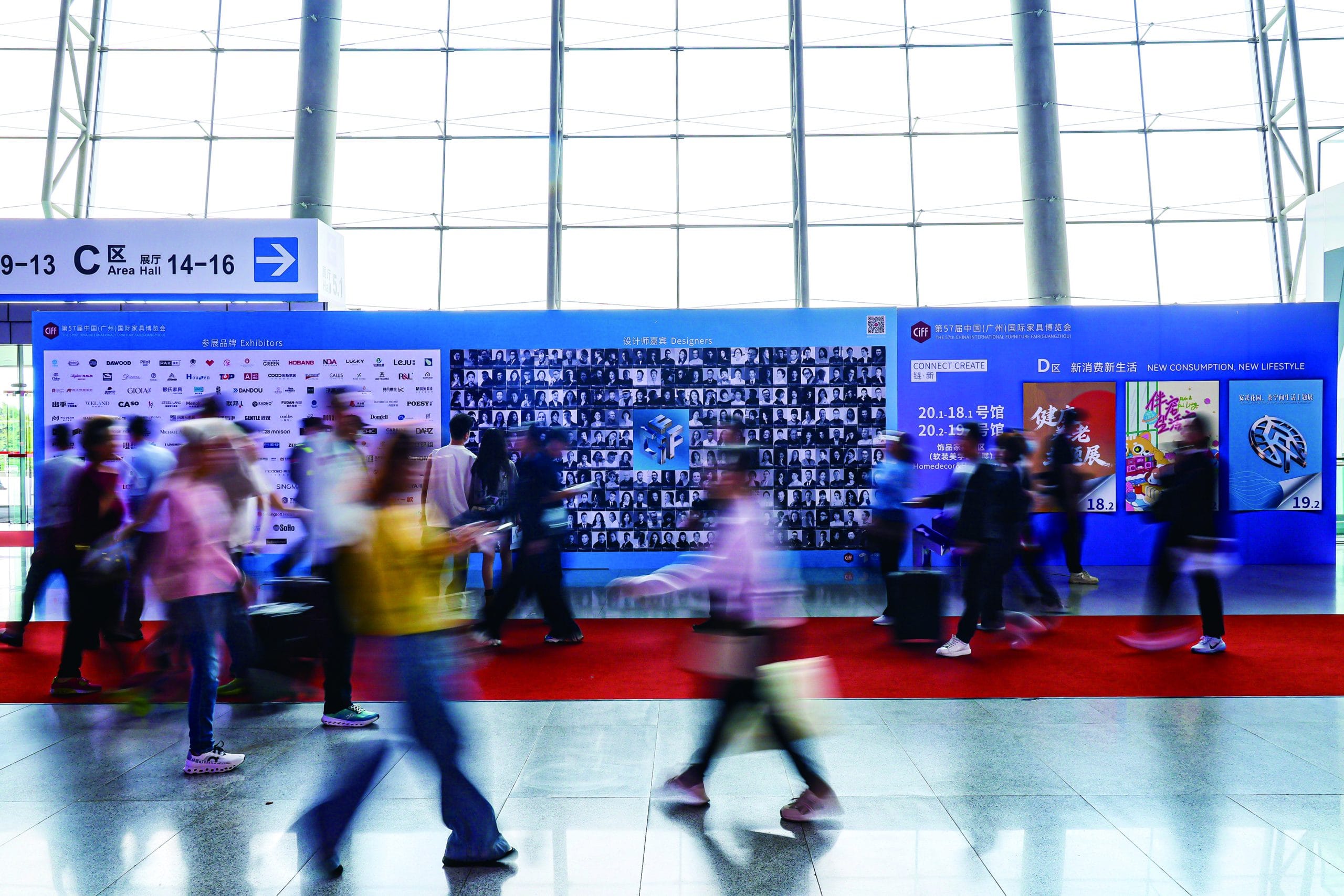
For seasoned buyers, meeting suppliers face-to-face and sourcing new collections at the China International Furniture Fair (CIFF) is a cornerstone of their annual procurement strategy.
However, with limited time on the show floor, robust post-show follow-up is what truly drives results. A handshake at CIFF is just the beginning; the real work—and value creation—happens during the interim between shows.
If you are planning to attend the 59th CIFF Guangzhou in 2027, this step-by-step roadmap will help you turn tradeshow contacts into a high-performing supply chain asset:
Phase 1: Days 1–14 Post-Show (Sorting & Initial Activation)
- Step 1: Categorize Contacts Using the ABC Method
Within 48 hours, log all collected business cards into your database and segment them by procurement urgency:- Class A: Immediate purchasing needs (within 30 days).
- Class B: Sampling or backup vendor plans (within the quarter).
- Class C: Long-term R&D or strategic bench.
Prioritize Class A leads immediately.
- Step 2: Send Context-Rich Follow-Ups
Reach out to Class A and B contacts via email or messaging platforms. Avoid generic templates. Reference specific discussions from the booth (e.g., “Following up on the A-08 leather upholstery we discussed at CIFF Guangzhou”) and attach formal Request for Quotation (RFQ) sheets. - Step 3: Establish Dedicated Communication Channels
Set up dedicated project messaging groups for Class A suppliers. Onboard key team members from procurement, design, and Quality Control (QC) on both sides, and assign a single point of contact (POC) to streamline communication.
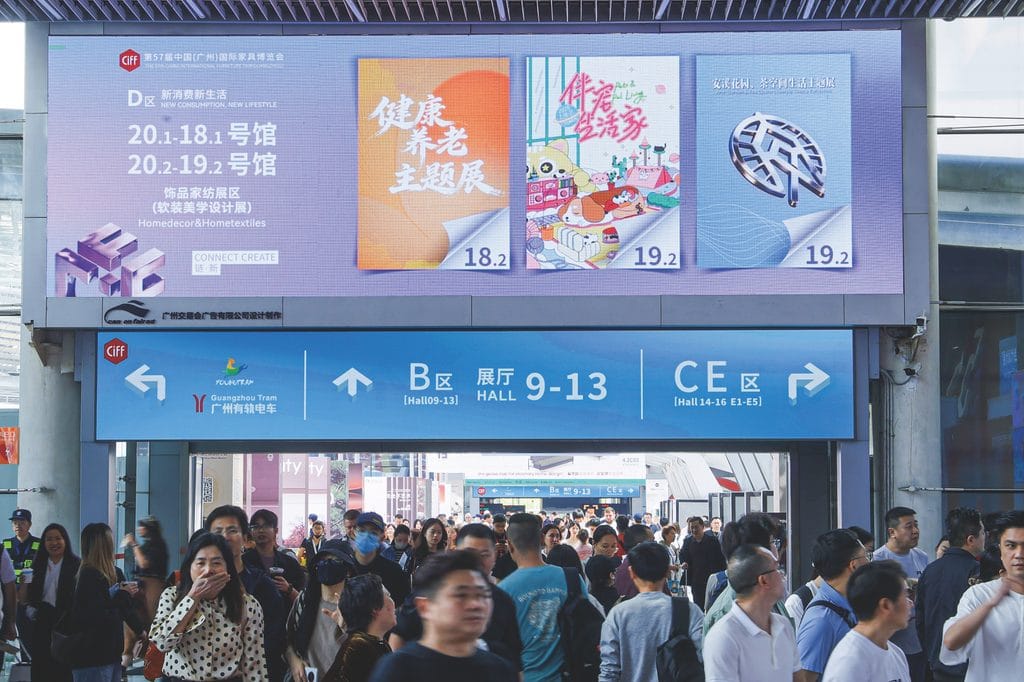
Phase 2: Days 15–90 Post-Show (Sampling & On-Site Audits)
- Step 4: Issue Standardized Sample Requests
Provide clear prototyping specifications—including CAD drawings, color swatches, and testing benchmarks. Agree on strict lead times and execute a Prototyping Agreement alongside a Non-Disclosure Agreement (NDA). - Step 5: Provide Written Sample Evaluation Reports
Complete quality control and physical testing within 7 days of sample receipt. Deliver a detailed written evaluation covering dimensional accuracy, structural integrity, and actionable feedback, regardless of whether the sample passes or fails. - Step 6: Conduct Off-Peak Factory Audits
Months 2–3 post-show usually coincide with a lull in production. Schedule on-site factory visits during this window to assess raw material inventory, QC workflows, and actual capacity flexibility beyond the showroom floor.
Phase 3: Days 90–150 Post-Show (Trial Orders & Value Engineering)
- Step 7: Run Trial Orders to Test Fulfillment
Place 1–2 small-batch trial orders to test production lead times, delivery reliability, and post-sales responsiveness. Use successful trials to negotiate baseline payment terms (e.g., deposit and balance payment milestones). - Step 8: Collaborate on Value Analysis/Value Engineering (VA/VE)
Share market feedback, retail pain points, and emerging trends quarterly with core suppliers. Invite their engineering and technical teams to propose structural optimizations or cost-reduction ideas (VA/VE) for your upcoming collections.
Phase 4: 30 Days Prior to the Next Show (Pre-Show Lock-In)
- Step 9: Confirm Booth Numbers and Reserve Meetings for CIFF 2027
Request booth locations and sneak peeks of upcoming collections for the 59th CIFF Guangzhou 2027. Book private meeting slots during the first two days of the exhibition:- Phase 1 (March 18–21, 2027): Home Furniture, Home Decor & House Textiles, Outdoor Living.
- Phase 2 (March 28–31, 2027): Office & Commercial Space, Furniture Machinery & Raw Materials.
- Step 10: Attend the Show with Orders in Hand
Review procurement performance, quality records, and unresolved issues from the past cycle. Arrive at the fair with a formal Letter of Intent (LOI) or contract draft to finalize annual agreements and lock in production capacity on-site.
Buyer Planning Schedule: 59th CIFF Guangzhou 2027
The 59th CIFF Guangzhou will take place at the Canton Fair Complex and PWTC Expo:
- Phase 1: March 18–21, 2027 (Home Furniture / Home Decor / Outdoor Living)
- Phase 2: March 28–31, 2027 (Office & Commercial / Machinery & Raw Materials)
- Nov–Dec 2026: Complete official online buyer pre-registration to skip onsite queues. Book accommodations near the Pazhou, Chigang, or Kecun metro lines. Audit your current vendor base to classify suppliers into “must-renew” or “to-be-replaced” lists.
- Jan–Feb 2027: Request booth numbers, floor plans, and product previews from Class A and B suppliers. Send preliminary RFQs and technical specs. Lock in private meeting slots for Days 1 and 2 (March 18–19 or March 28–29).
- Early March 2027: Map out your exhibition route across Canton Fair Complex Areas A, B, C, and D by product category. Draft Non-Disclosure Agreements (NDAs) and Letters of Intent (LOI). Hold a pre-show team briefing to assign clear roles (negotiation, technical QC, product photography).