


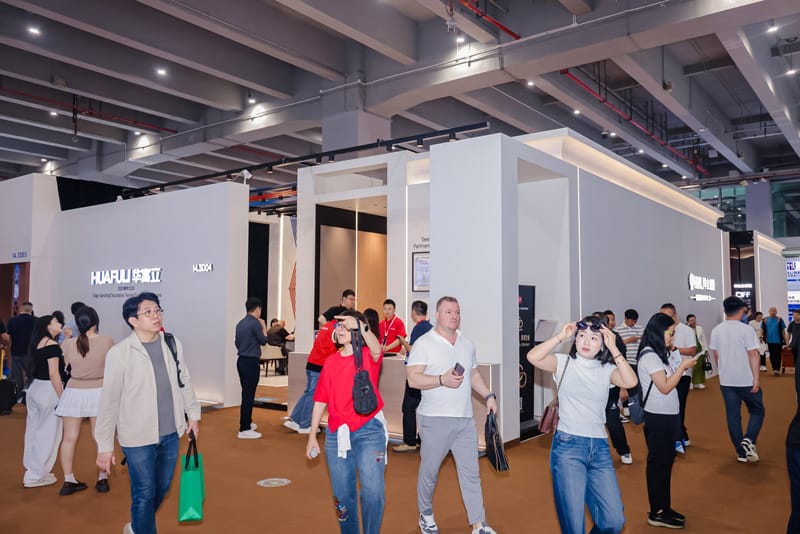
Supplier engagement should never be confined to trade show dates. On the contrary, collaborating during non-exhibition periods—particularly during off-peak production lulls—frequently yields better pricing leverage, enables iterative supply chain optimization, and continuously drives down costs to boost profit margins.
By leveraging China’s advanced manufacturing ecosystem alongside official CIFF digital and industrial resources, buyers can execute rapid product iterations during inter-fair windows to prepare for upcoming market cycles. Here are 5 actionable steps:
Step 1: Define Iteration Direction via CIFF Trend Intelligence
Following each show, CIFF publishes official post-show summaries, Home Commercial Design Trend Reports, CMF (Color, Material, Finish) trend analyses, and IBC market intelligence reports. Buyers should regularly download and analyze these official reports (e.g., via the CIFF Post-Show Report Directory).
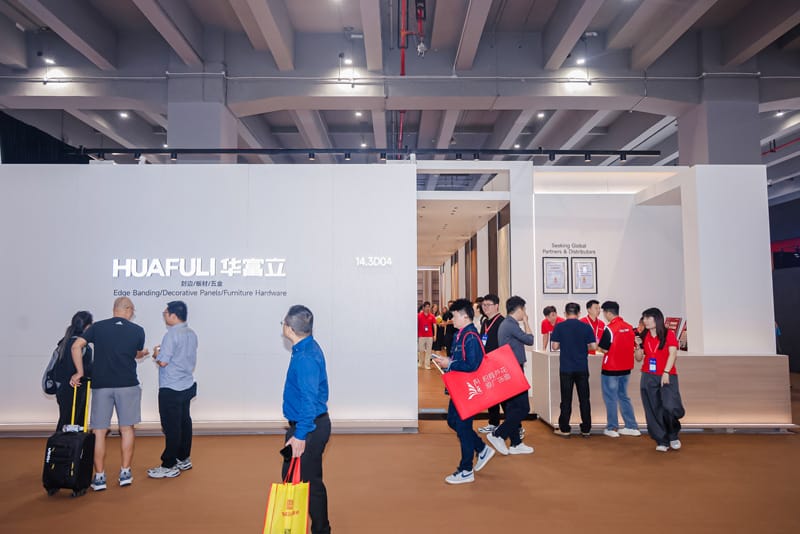
Leverage AI tools to extract core insights from these authoritative reports, and cross-reference them with internal Point-of-Sale (POS) data and post-sales customer feedback to identify precise modification needs.
- Example: If post-sales records show high return rates driven by complaints like “liquid spills are impossible to clean” or “grease stains ruined the entire sofa,” upgrading non-removable standard fabric to a stain-resistant performance fabric serves as the most cost-effective solution to stop margin erosion.
Step 2: Leverage the Click2Connect Digital Platform
Log into the CIFF Click2Connect platform to retrieve target vendor profiles and historical SKU archives. Use the platform’s instant messaging to negotiate revisions directly, or post sourcing requirements (RFQs) to solicit bids. Once an RFQ is posted, verified Chinese suppliers will evaluate the technical specifications and proactively reach out.
Step 3: Apply for a Meet 2 Match (IBC) Virtual R&D Session
Request an off-season, 1-on-1 virtual R&D collaboration meeting through CIFF’s Meet 2 Match program. Insist that the factory’s chief engineer or technical director attends alongside sales representatives to evaluate 3D models, re-tooling expenses, and manufacturing feasibility.
Case Study:
- Scenario: A buyer identified that a bestselling mesh chair from the previous season incurred exorbitant ocean freight due to fully assembled shipping (excessive CBM). The buyer sought to convert the item into a Knock-Down (K/D) packaging design during the off-season.
- Execution: The buyer scheduled a meeting via the CIFF team, requesting the factory’s design director and sales head to join alongside the buyer’s Product Manager and QC Lead. During the call, the buyer presented 3D CAD drawings. The factory engineer proposed offsetting the mounting hole angle on the die-cast aluminum connectors and adding snap-lock positioning holes, while providing an immediate cost estimate for tooling modifications.
Step 4: Execute a “Remote Sampling SOP” During Factory Off-Peak Seasons
Bypass peak pre-show and post-show production surges by scheduling sample development during factory lulls (typically June–August or November–December).
Step 5: Validate via Micro-Orders & Lock in Next Fair’s Launch
Place small-batch trial orders (micro-orders) for updated SKUs to test market response across online and offline retail channels. Once validated, secure agreements with the supplier to feature the updated product as a flagship hero SKU or secure regional distribution exclusivity for the upcoming CIFF Guangzhou fair, closing the product iteration cycle.
References
- [1] China International Furniture Fair (CIFF) Official Post-Show Analytics & Trend Reports.
- [2] B2B E-Procurement Platforms & Digital Matchmaking Protocols in Asian Manufacturing.
- [3] Value Analysis / Value Engineering (VA/VE) Guidelines for Knock-Down (K/D) Furniture Design.
- [4] Standard Operating Procedures for Remote Sampling & Physical Quality Audits in Overseas Sourcing.
- [5] Production Scheduling & Off-Peak Capacity Utilization Strategies in Furniture Manufacturing.
Disclaimer
This guide is provided for informational and strategic planning purposes only. Event schedules, platform features, and third-party tools are subject to change by official CIFF organizers. Technical modifications, legal distribution terms, and quality control protocols should be verified independently with qualified engineering and legal professionals.