


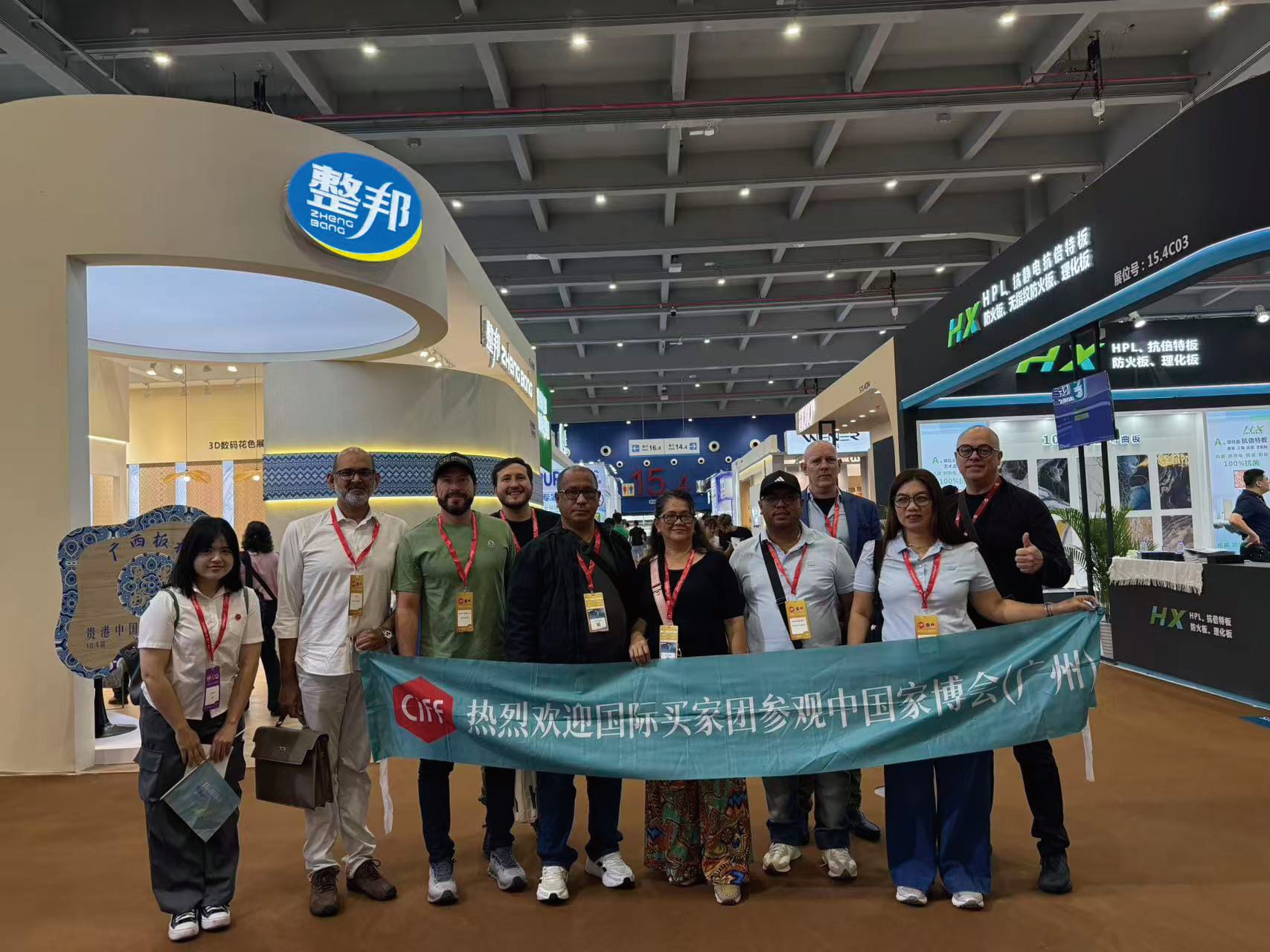
Each year, the China International Furniture Fair (CIFF) Guangzhou takes place at the Canton Fair Complex and PWTC Expo [1]. https://www.cifffurniturefair.com/
The event is split into two phases: Phase 1 (March 18–21, 2027) covers Home Furniture, Home Decor & House Textiles, and Outdoor Living; Phase 2 (March 28–31, 2027) focuses on Office & Commercial Space, Furniture Machinery, and Raw Materials [2].
As one of the few all-inclusive supply chain sourcing opportunities of the year, global buyers gather in Guangzhou to consolidate purchases and optimize vendor networks [3].
However, procurement needs rarely align perfectly with trade show schedules. Relying exclusively on physical fairs leaves buyers vulnerable to market fluctuations and lacks the agility required for rapid replenishment [4]. Transitioning to a year-round, standardized supply chain model not only dilutes average procurement costs but also builds long-term resilience against demand shifts [5].
Here is a 6-step roadmap to transition from event-driven buying to year-round furniture sourcing:
1. Implement a Digital Supplier Relationship Management (SRM) System
Centralize core factory data from trade shows and daily outreach into a single database or spreadsheet, tracking categories, capacity tiers, price points, and compliance certifications (e.g., FSC, BIFMA) [6]. Group vendors by strategic priority:
- Class A (Strategic Partners): Core high-volume suppliers.
- Class B (Secondary/Sampling): Alternate suppliers for specialized lines or backups.
- Class C (Reserve Tier): Long-term contingency contacts.
Establish dedicated communication channels overseen by internal procurement and Quality Control (QC) teams [7]. Additionally, buyers can register on the Click2Connect platform to post sourcing requirements, match with pre-vetted factories, and further stabilize their supply chain network [8].
2. Develop a Demand-Driven “Annual Sourcing Calendar”
Work backward 90–120 days from key retail milestones—such as peak Spring/Autumn home renovation seasons, major promotional events, and new collection launches—to schedule quarterly sourcing and prototyping [9]. Avoid clustering order volumes immediately after major shows (April or October) when factory capacity bottlenecks; instead, issue Requests for Quotation (RFQs) quarterly to utilize factory downtime and secure favorable payment terms [10].
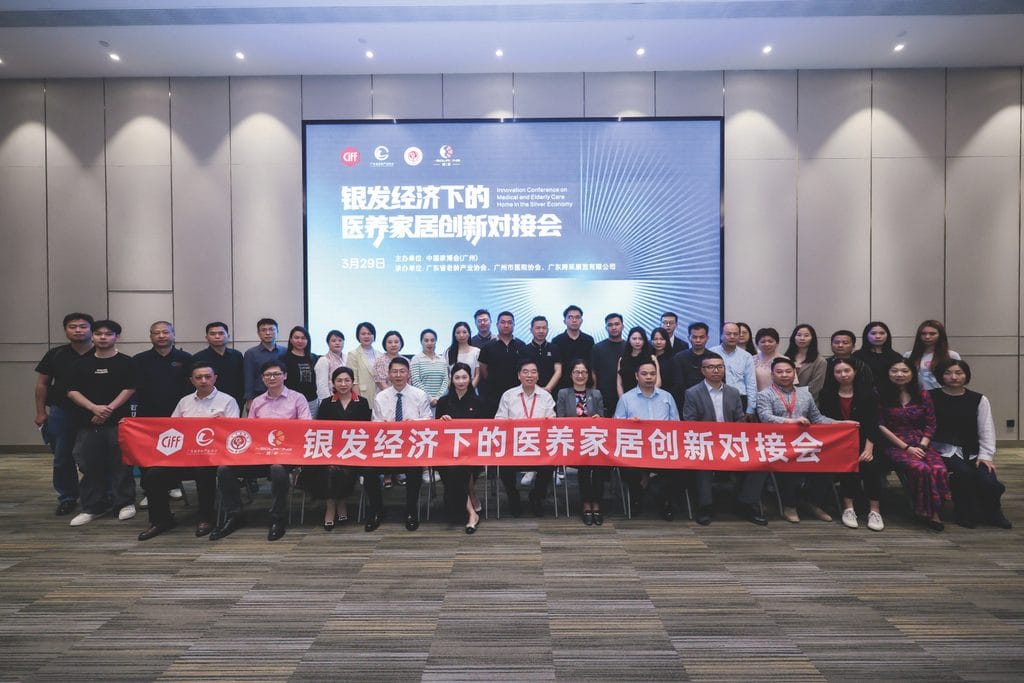
3. Standardize Remote Prototyping and “Sealed Sample” SOPs
Develop comprehensive Tech Packs specifying CAD drawings, material color swatches, fabric physical properties, and packaging standards [11]. Streamline the remote sampling workflow into a standardized four-stage pipeline:
3D Rendering Approval → Physical Swatch Review → Prototype Video Inspection → Final Sample Sign-Off
This protocol ensures strict quality control while minimizing unnecessary on-site factory visits [12].
4. Schedule Off-Peak Factory Audits & Third-Party Inspections
Capitalize on factory production lulls—typically June–August and November–December—to conduct thorough on-site audits. Focus on assessing raw material inventory, automation coverage, and Quality Management Systems (QMS) [13]. Establish in-house QC teams or partner with accredited third-party inspection agencies in major furniture clusters like Shunde/Dongguan (Guangdong), Nankang (Jiangxi), and Anji (Zhejiang) [14].
5. Drive Quarterly VA/VE Collaborative R&D
With the rise of e-commerce and personalized consumer demand, furniture manufacturing has shifted from supply-push to demand-pull [15].
Provide core vendors with quarterly Point-of-Sale (POS) data, return defect rates, and customer feedback. Engage factory engineering teams early in product development to conduct Value Analysis/Value Engineering (VA/VE) for structural optimization, knock-down (K/D) packaging efficiency, and cost reduction [16].
6. Year-Round Furniture Sourcing:Build an Online Year-Round Replenishment Network via Click2Connect
Leverage CIFF’s official Click2Connect digital platform to browse virtual showrooms, execute supplier matchmaking, and place trial micro-orders during non-exhibition periods to validate market demand prior to volume commitments.
Utilize Click2Connect’s verified factory database to directly connect with core vendors, streamline online RFQs, track sampling progress, and execute standardized year-round replenishment .
References
- [1] China International Furniture Fair (CIFF) Official Venue Directory & Event Specifications.
- [2] CIFF Guangzhou Phase 1 & Phase 2 Exhibition Category Layout Guide.
- [3] Global B2B Supply Chain Integration in Furniture Manufacturing & Sourcing.
- [4] Agile Procurement & Rapid Replenishment Strategies in Retail Supply Chains.
- [5] Supply Chain Resilience & Landed Cost Optimization Models.
Disclaimer
This article and its procurement guidelines are intended solely for general strategic planning and informational purposes. Trade show dates, exhibition details, and platform functionalities are subject to change based on official announcements from CIFF organizers. Sourcing decisions, contract negotiations, and vendor audits should be conducted with independent legal, financial, and quality assurance counsel.